0
0
Ice Climbing in Iceland with Álvaro Morán
From glacier caves to overhanging ice walls — a 10-year veteran ice climber shares what it takes to tackle Iceland's most demanding frozen terrain.
Meet Álvaro Morán
At just 30 years old, Álvaro Morán has already spent a decade pushing the limits of ice climbing and alpine mountaineering. Based in Spain, he dedicates every winter season to expeditions across Europe's most challenging frozen landscapes — from the towering ice falls of Norway to the mixed routes of Switzerland, Italy, and France. His passion led him to author Spain's first comprehensive ice climbing guidebook, covering the frozen waterfalls and gullies of central Spain's mountain ranges.
This year, his sights were set on something entirely different: Iceland. The land of fire and ice had long been on his radar, and the promise of climbing glacier ice — a style fundamentally unlike anything found in mainland Europe — was too compelling to resist.
Why Iceland? The Pull of Glacier Ice
Iceland's glaciers offer a climbing experience unlike anything on the European continent. While alpine ice climbing in the Alps or Scandinavia typically involves frozen waterfalls and couloirs, Icelandic glacier ice is an entirely different beast. The ice here is ancient — compressed over centuries into dense, glass-like formations that glow in shades of deep blue and turquoise. The routes are often steeply overhanging, demanding explosive power and precise footwork that push even experienced climbers to their limits.
"We trained specifically for this trip," Álvaro explains. "We knew the climbing in Iceland would be incredibly physical. The overhanging glacier ice is something we simply don't encounter back home. Your arms burn out fast, and every swing of the axe needs to count." The reward, however, is extraordinary: climbing through sculpted ice tunnels, beneath frozen wave-like formations, and on walls that shimmer with an otherworldly luminescence.
Inside the Glacier: Climbing in a Frozen Cathedral
Stepping inside an Icelandic glacier is like entering another world. Daylight filters through the ice above, casting everything in a deep, ethereal blue. The walls are sculpted by centuries of pressure and meltwater into organic, flowing shapes — ridges, hollows, and overhangs that create a natural climbing gym of almost infinite variety.
Álvaro describes the sensation of climbing in these spaces as both humbling and electrifying. "You're surrounded by thousands of years of compressed snow and ice. Every feature tells a geological story. And then you swing your axes into it and start climbing, and it's the most intense physical experience you can have."
The team spent days exploring different glacier outlets across southern Iceland, seeking out the most dramatic formations and challenging lines. Each site offered something unique — from narrow ice corridors barely wide enough to fit through to vast chambers with 30-metre overhanging ceilings.
Battling Iceland's Elements: Wind, Cold, and Wet
If the climbing itself is demanding, Iceland's weather adds another layer of challenge entirely. Fierce winds sweep across the glaciers with little warning, temperatures plunge well below freezing, and the constant contact with ice and snow means everything gets wet — fast.
"Gear selection is absolutely critical," Álvaro emphasises. "You're constantly moving, generating sweat, but the moment you stop, the cold hits immediately. You need a system that breathes while you climb but protects completely when the wind picks up or a snowstorm rolls in."
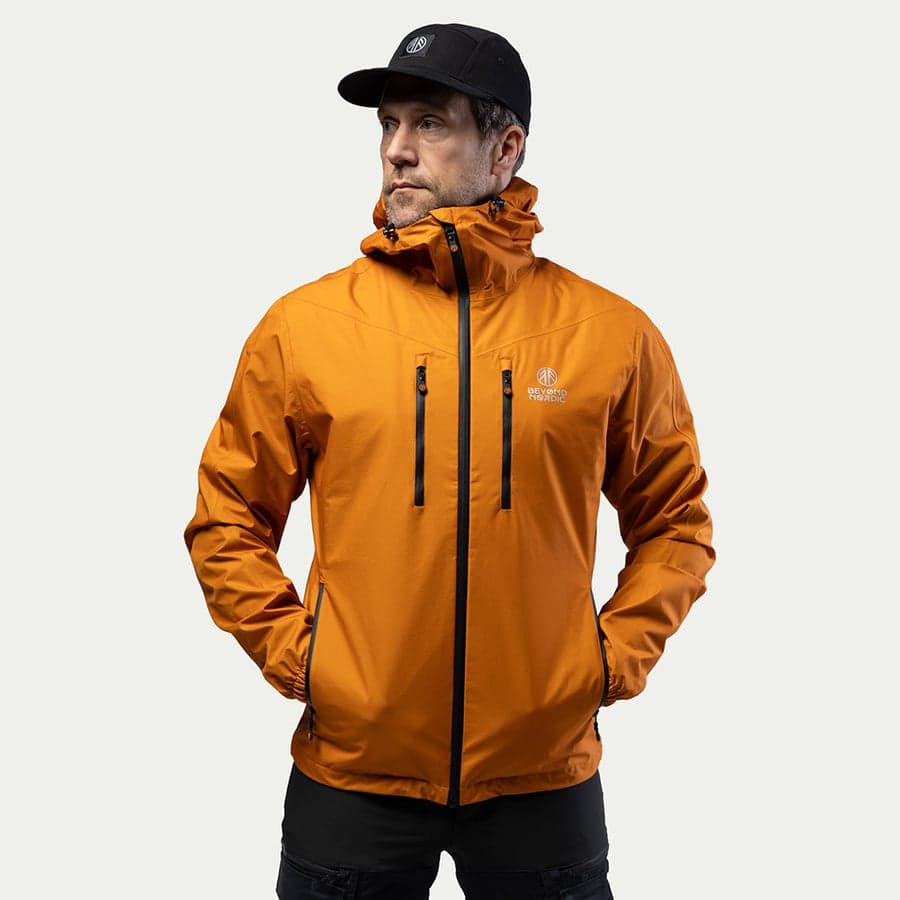
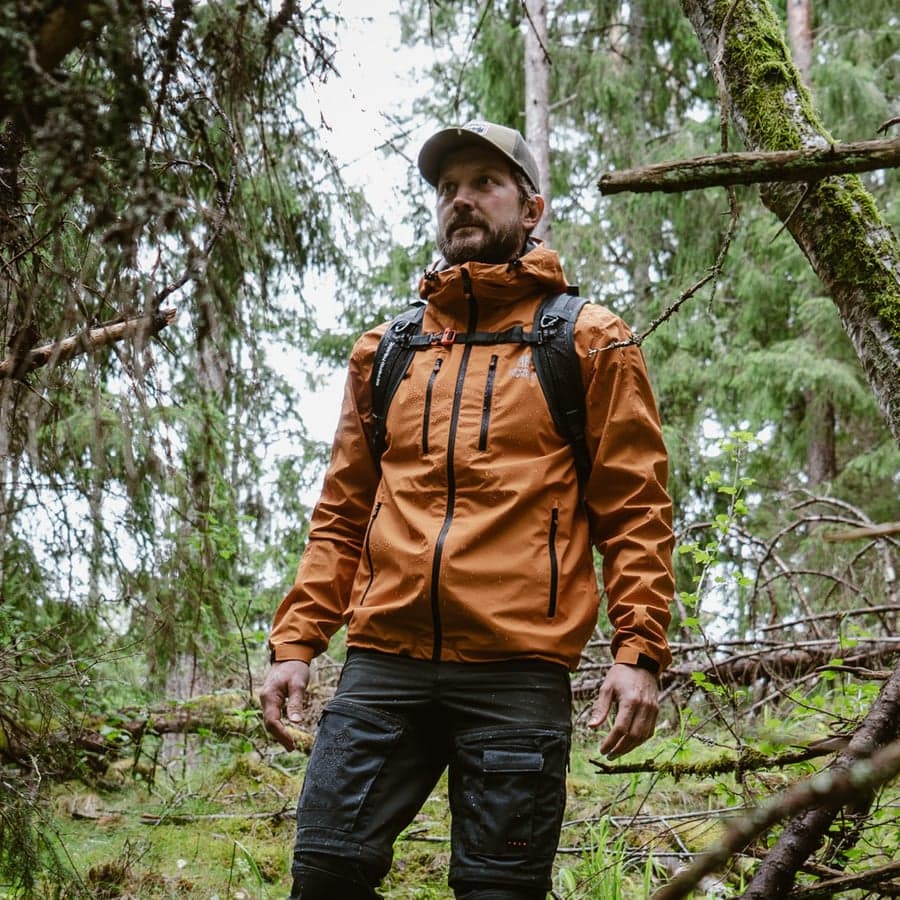
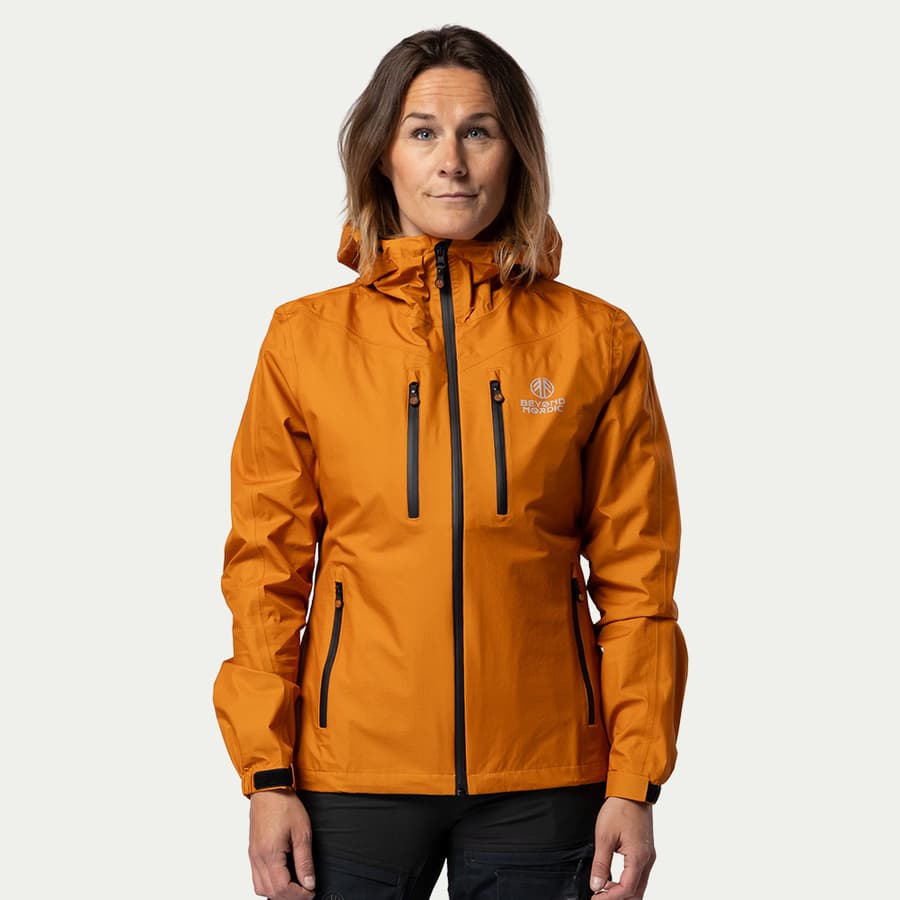
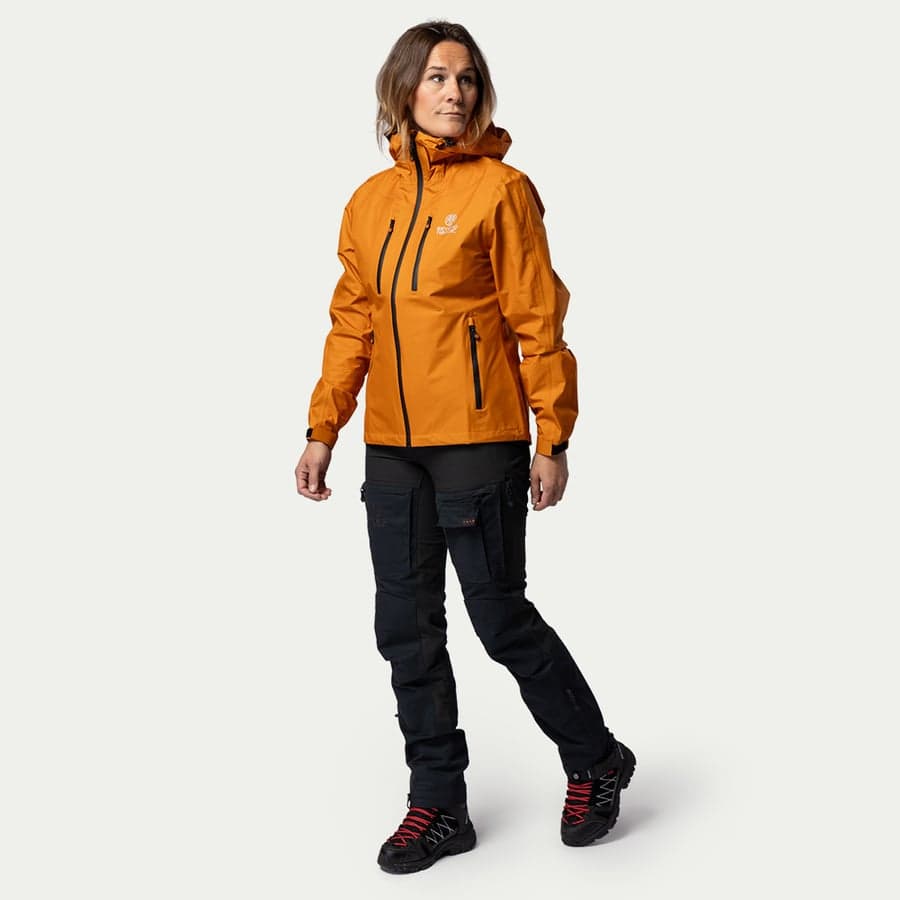
For this expedition, Álvaro relied on the Beyond Nordic BN301v2 Light Weight Shell Jacket as his outer shell. "It was perfect," he says. "Not just for wind protection — the waterproofing is incredible. With 20,000mm water column, it handled everything Iceland threw at us. One day, we spent four hours climbing a frozen waterfall during a full blizzard. When we finally came down, every base layer underneath was completely dry. That tells you everything."
Beneath the shell, the BN106 Tech Fleece Hoodie proved to be a revelation. "I was genuinely surprised by this piece," Álvaro admits. "It breathes incredibly well during high-output climbing, but it also provides real warmth. It's stretchy and comfortable enough for technical moves on rock or ice. These two layers together — the BN106 and BN301v2 — are now my go-to combination for any mountain activity."
The Craft of Ice Climbing: Technique Meets Tenacity
Ice climbing demands a unique blend of technical skill, physical strength, and mental composure. Unlike rock climbing, where holds are static and visible, ice is dynamic — it fractures, it melts, and it changes with temperature and sunlight. Reading the ice correctly is an essential skill that takes years to develop.
"Every swing is a commitment," Álvaro explains. "You need to read the ice — find the sweet spot where your tool will stick cleanly without shattering a dinner plate of ice onto your face. On overhanging terrain, you might only get two or three swings before your forearms are pumped, so accuracy is everything."
Footwork is equally critical. Modern crampons have aggressive front points designed to penetrate hard ice with a precise kick, but on glacier ice — which can be smoother and more glass-like than waterfall ice — finding secure placements requires sensitivity and experience. "In Iceland, the ice is often so dense that your crampons barely scratch the surface if you don't kick hard enough. But kick too hard and you shatter the foothold. It's a constant calibration."
Five Quick Questions for Álvaro
What makes Iceland unique for ice climbing compared to the Alps or Scandinavia?
The glacier ice is completely different from waterfall ice. It's ancient, compressed, and incredibly dense — you climb on ice that's thousands of years old, and it has this unbelievable blue colour. The formations are also unique: massive overhangs, ice caves, and tunnels that you simply don't find anywhere else in Europe. And then there's the landscape itself — volcanic, raw, and remote. It feels like climbing on another planet.
What's the biggest mistake climbers make when attempting glacier ice for the first time?
Underestimating how physical it is. Waterfall ice is often vertical, and you can rest on good stances. Glacier ice tends to be overhanging and sustained — there's nowhere to rest. If you haven't trained specifically for steep, powerful climbing, your forearms will give out very quickly. The other mistake is poor layering. People either overdress and overheat, or underdress and freeze the moment they stop. Getting the moisture management system right is crucial in Iceland's wet, windy conditions.
What season and conditions are best for ice climbing in Iceland?
Late winter through early spring — typically February to April — offers the best conditions. The glaciers are fully frozen and stable, the days are getting longer so you have more climbing time, and the ice formations are at their most developed. That said, the weather is always unpredictable. You need to be flexible and prepared to wait out storms. We had days where we couldn't climb at all due to wind, and other days where conditions were absolutely perfect.
What single piece of advice would you give to someone wanting to try ice climbing?
Start with a guided course on a gentle glacier or an easy frozen waterfall. Ice climbing looks intimidating, but the basics are very learnable. Focus on smooth, confident footwork — that's where most beginners struggle. Your feet do most of the work; your arms just keep you balanced. And invest in good gear from day one, especially your shell layer. Being cold and wet ruins everything. Being warm, dry, and comfortable lets you focus on the climbing and actually enjoy the experience.
What's next for you after Iceland?
I'm already planning next season. Norway is always on the list — there are some incredible mixed routes in Lofoten I want to try. And I'd love to return to Iceland with more time to explore the northern glaciers. Every trip teaches you something new, and every season the ice is different. That's what keeps me coming back — it's never the same climb twice.
Ice Climbing — Everything You Need to Know
What exactly is ice climbing, and how does it differ from rock climbing?
Ice climbing is the ascent of frozen formations — waterfalls, glaciers, and ice-covered rock faces — using specialised tools: ice axes, crampons, and ice screws. Unlike rock climbing, where holds are fixed and visible, ice is a living medium. It changes with temperature, sunlight, and season. Routes that exist one week may collapse the next. This unpredictability is part of the appeal: every climb is unique, and reading the ice correctly is a skill that takes years to master.
What are the main types of ice climbing?
There are two primary disciplines. Waterfall ice climbing (or WI) involves ascending frozen waterfalls and seeps, graded from WI1 (low-angle, well-bonded ice) to WI7 (extremely steep, thin, or poorly bonded). Alpine ice climbing (AI) takes place on glaciers, ice caps, and high-altitude couloirs, often in remote mountain environments. A third hybrid style — mixed climbing — combines ice and rock on the same route, requiring climbers to transition between rock holds and ice placements, often on the same pitch.
What gear do you need to start ice climbing?
The essential kit includes a pair of technical ice axes (curved shafts for steep terrain), rigid mountaineering boots with clip-on crampons featuring aggressive front points, a climbing harness, helmet, and ice screws for protection. Equally important is your clothing system: a moisture-wicking base layer, an insulating mid-layer like a technical fleece, and a waterproof, breathable shell jacket. Staying dry is critical — wet clothing in sub-zero conditions can lead to dangerous heat loss within minutes.
Is ice climbing dangerous?
Like all mountain sports, ice climbing carries inherent risks — falling ice, avalanches, cold injuries, and the consequences of a fall. However, modern equipment, improved techniques, and better education have made the sport significantly safer than it was even a decade ago. The key to managing risk is proper training, conservative decision-making, and never climbing beyond your ability. Starting with a certified guide or an introductory course is the safest way to enter the sport.
Where are the best destinations for ice climbing in Europe?
Europe offers world-class ice climbing across a remarkable range of environments. Norway — particularly Rjukan and the Lofoten Islands — is famous for its abundance of long, well-formed waterfall routes. The French and Italian Alps provide classic alpine ice in the Chamonix valley and Val d'Aosta. Switzerland's Kandersteg area is a hub for accessible waterfall ice. Scotland offers challenging mixed routes in the Cairngorms. And Iceland, as Álvaro's expedition proves, delivers a completely unique glacier ice experience found nowhere else on the continent.
How fit do you need to be for ice climbing?
A reasonable level of general fitness is sufficient for introductory routes. However, as grades increase, ice climbing becomes extremely demanding — particularly on forearm endurance, grip strength, and cardiovascular fitness. Experienced ice climbers often train with pull-ups, dead hangs, and campus board exercises. Core strength is also essential for maintaining body tension on steep terrain. That said, technique matters far more than brute strength: efficient footwork and precise tool placement will always outperform muscling through a route.
What's the best time of year for ice climbing?
In most European locations, the prime season runs from December through March, when sustained cold temperatures ensure stable ice formations. Late season (February–March) often offers the best combination of formed ice and longer daylight hours. Glacier ice destinations like Iceland extend the season into April. Conditions vary enormously year to year depending on temperature and precipitation, so checking local conditions and consulting with guides before any trip is essential.
ÁLVAROS PERSONAL FAVORITES
Sign up for our newsletter and get 10% off your first order*
*Excluding campaigns, bundles and other offers
INFORMATION
CUSTOMER SERVICE
SHOP
© Beyond Nordic


BN106 Tech Fleece Hoodie Men's


BN301 v2 3L Lightweight Shell Jacket Men's


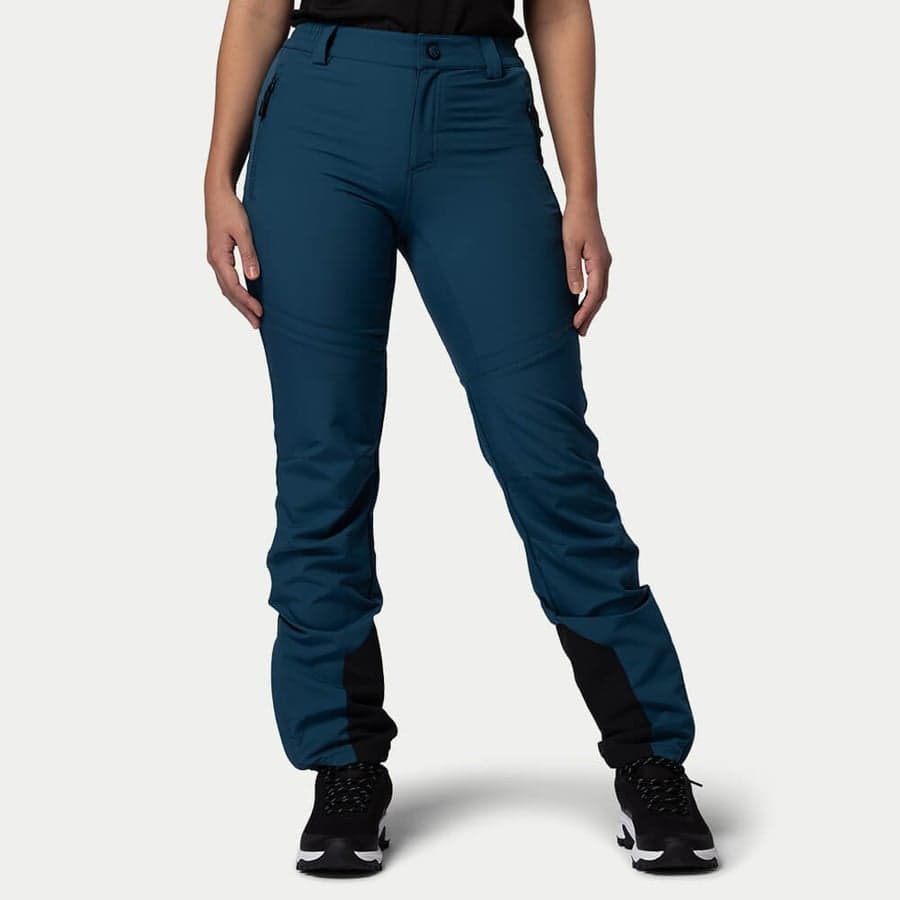
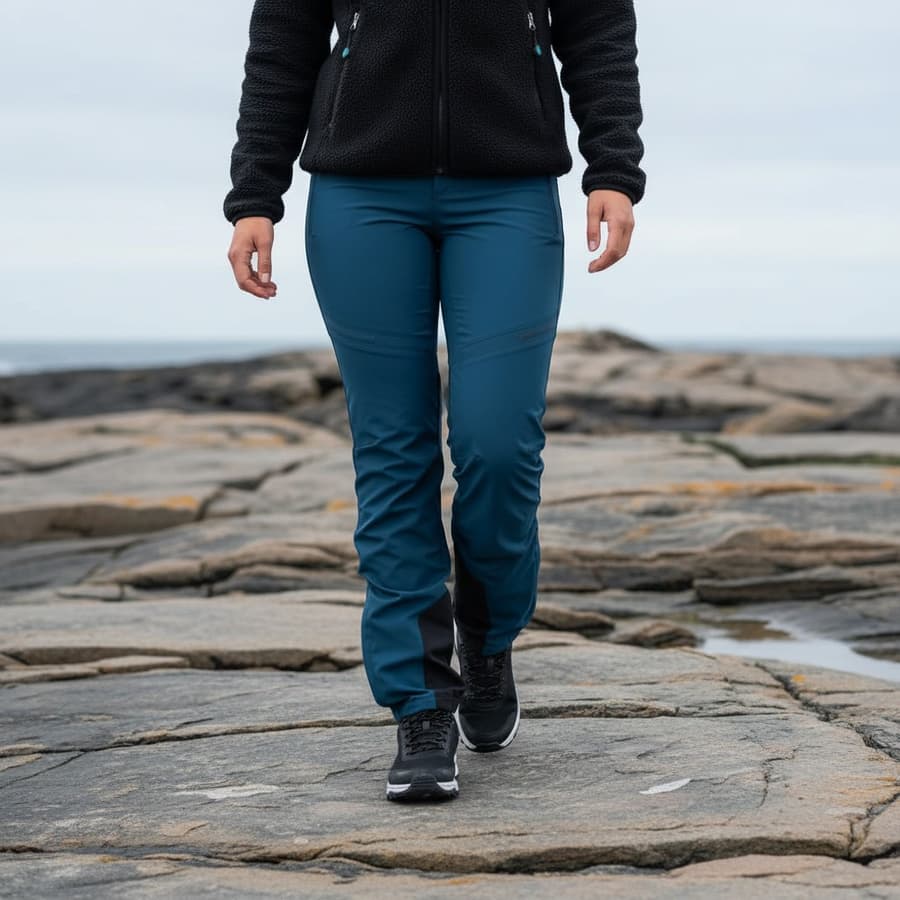
BN012 Lightweight Flex Pants Women's


BN301 v2 3L Lightweight Shell Jacket Women's


BN012 Lightweight Flex Pants Men's
Off Black
99.00GBP
Desert Sun
179.00GBP
Legion Blue
79.00GBP
Desert Sun
179.00GBP
Onyx Black
79.00GBP


RECYCLED
NEW
RECYCLED
NEW
NEW
NEW
RECYCLED
NEW
RECYCLED
NEW