0
0
A good mid layer helps you stay warm without feeling bulky or overheated. Learn how to choose the right insulation for your activity, conditions and personal comfort.
Before choosing a mid layer, consider:
How much warmth do you need?
Will you be moving continuously or stopping often?
Will you face wind, moisture or changing conditions?
The colder and less active you are, the more insulation you generally need.
The more intensely you move, the more important breathability becomes.
This is why the warmest layer isn’t necessarily the best layer for hiking.
Different mid layers provide different levels of warmth, breathability and versatility. The right choice depends on how active you’ll be and how much insulation you need.
Lightweight warmth and temperature regulation
Breathable warmth for active movement
Higher insulation for colder conditions
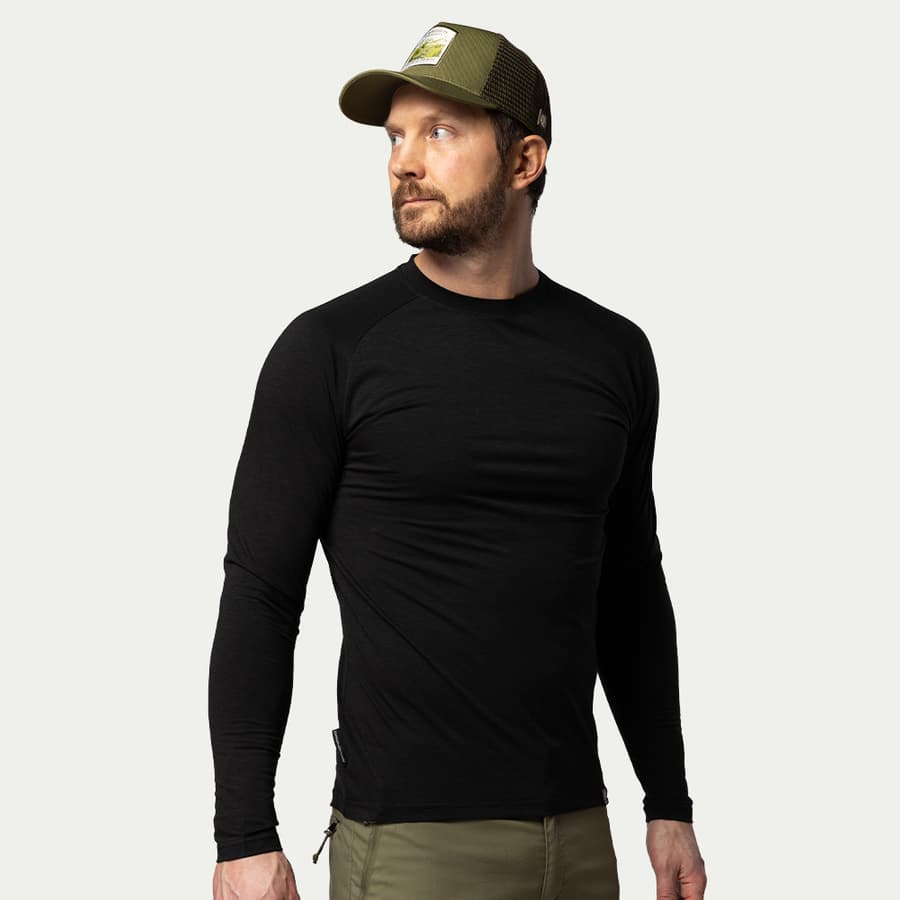
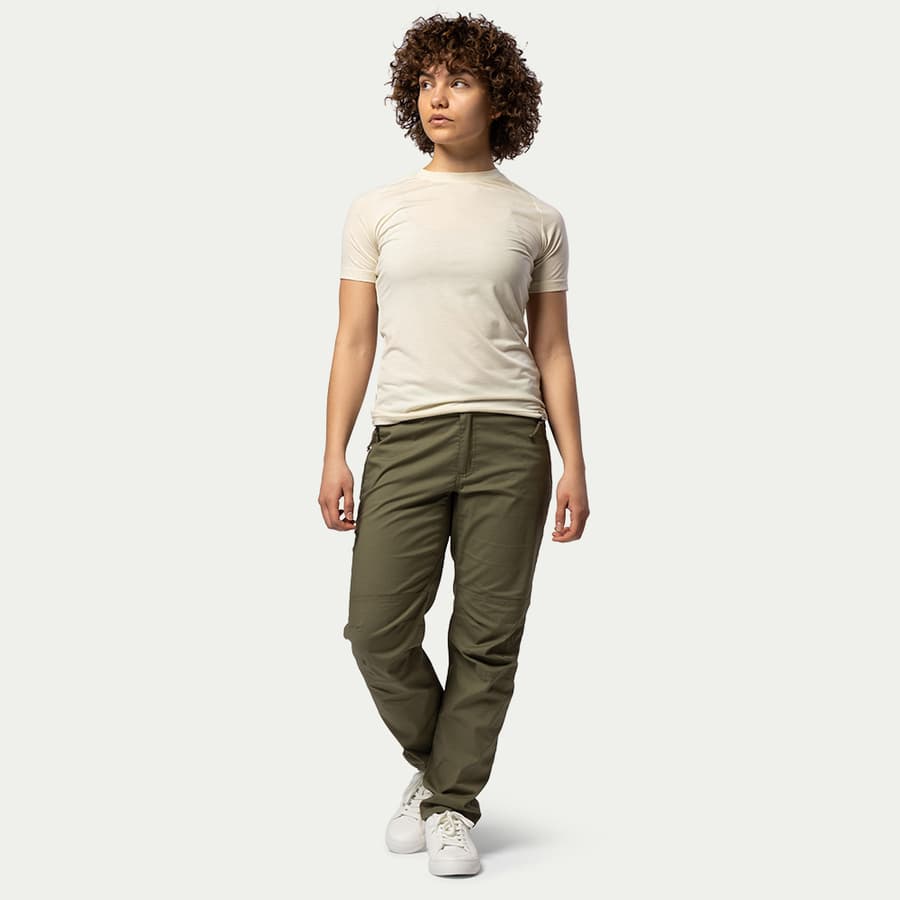
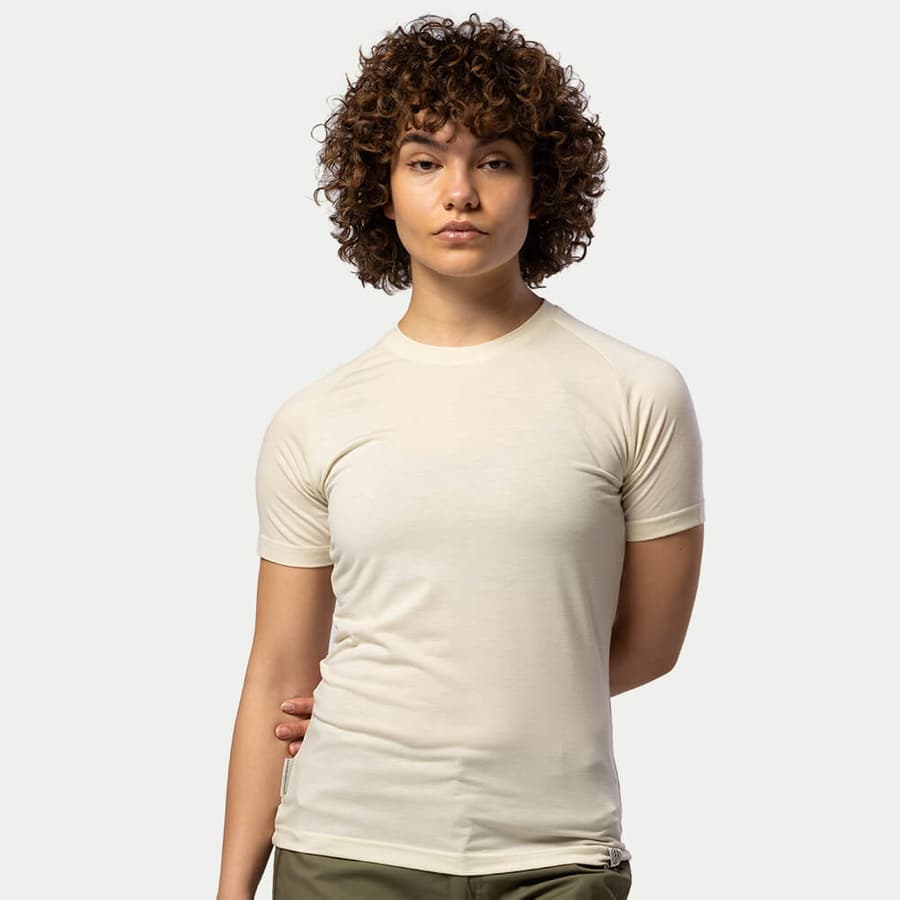
Merino wool provides lightweight warmth with excellent temperature and moisture regulation.
It’s a versatile choice for changing conditions, travel and multi-day use, particularly when you want one layer that stays comfortable across a wide range of temperatures.
Multi-Day hiking
Everyday wear
Variable temperatures
Travel
TOMAS PERSONAL FAVORITES
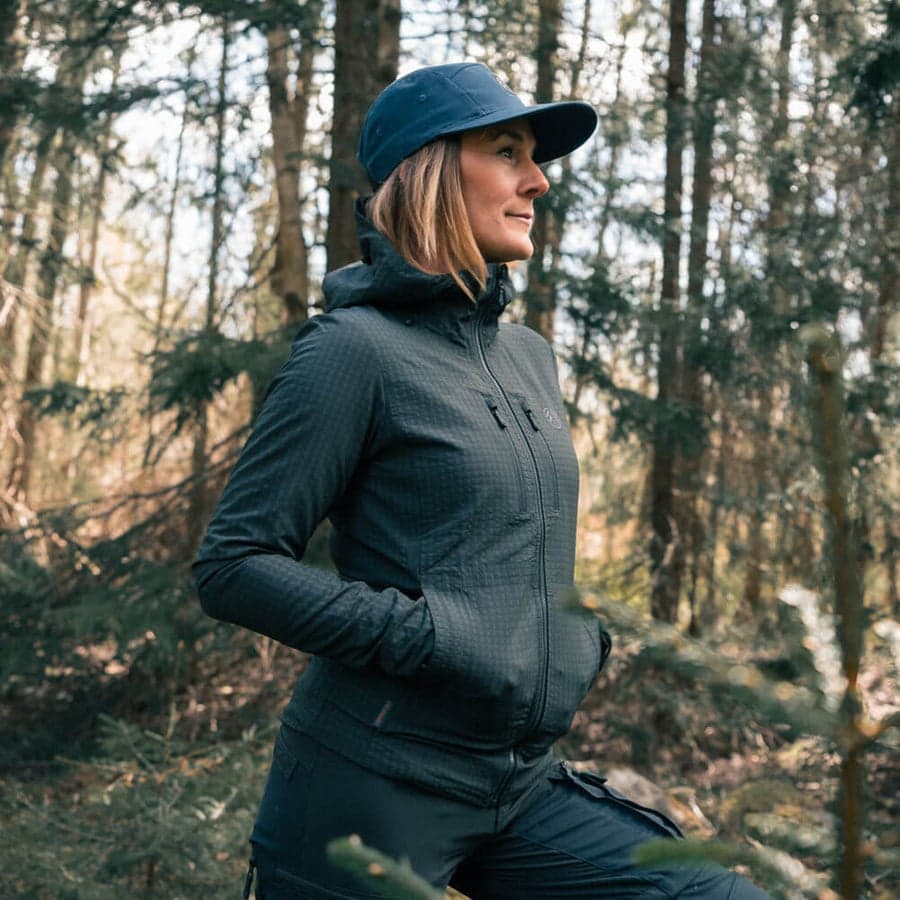
Technical fleece is designed for movement.
It combines lightweight warmth with stretch and breathability, helping you stay comfortable when you’re generating heat on the move.
Wear it as an outer layer in mild conditions or under a shell when the weather turns colder or wetter.
Active hiking
Hiking
Variable weather
Hiking
TOMAS PERSONAL FAVORITES
Pile fleece creates more insulation by trapping more air within its loft.
It’s better suited to colder conditions and lower-output situations where warmth and comfort matter more than maximum breathability. Think cold mornings, slow walks, campsites and rest periods rather than hard uphill efforts.
Cold conditions
Hiking
Lower activity
Hiking
TOMAS PERSONAL FAVORITES
Choose a lightweight, breathable layer that can release excess heat.
→ BN106 Tech Fleece Hoodie
Choose something versatile that provides insulation without becoming too restrictive.
→ BN106 Tech Fleece or BN213 Merino Hoodie
Prioritise temperature regulation, moisture management and odour resistance, especially when you’ll be wearing the same layers repeatedly.
→ BN219 Light Merino LS Crew or BN213 Light Merino Hoodie
Choose a layer with more loft and insulation, particularly if your pace is slower.
→ BN308 Retro Pile Jacket
A vest adds insulation to your core while leaving your arms free.
→ BN309 Retro Pile Vest
Don’t wait until you’re cold or sweating heavily. Adjust your layers before your comfort changes significantly.
You may feel slightly cool when standing still.
That’s okay. Once you start moving, your body will generate more heat.
If you’re getting hot or sweaty, open or remove a layer before moisture builds up.
Put your insulating layer back on before you get cold.
Wind can make you feel significantly colder even when the air temperature hasn’t changed. Add insulation or your outer layer as needed.
Your activity level may drop, especially if you’re moving slowly or stopping frequently.
This can be a good time to add a warmer layer.
Start slightly cool → warm up while moving → adjust layers → add insulation when you stop
The best layering system is one you can adjust
—not one you have to wear exactly the same way all day.
The right layers keep you comfortable in changing conditions. here are proven combinations for different weather
TOMAS PERSONAL FAVORITES
A mid layer is the insulating layer between your base layer and outer shell. Its main job is to retain warmth while allowing moisture to move away from your body.
Add a mid layer when your base layer isn’t providing enough warmth. This can be during colder conditions, early mornings, rest stops or when activity levels drop.
Yes. In dry and relatively mild conditions, a fleece can work well on its own. When wind or rain increases, add a protective outer layer.
Choose the warmth according to the temperature, activity level and conditions. A lightweight fleece may be enough for active hiking, while thicker fleece or insulation is better suited to colder conditions or long periods of inactivity.
Yes. A lightweight fleece can be useful in the mountains, during cool mornings and evenings, or whenever temperatures can change quickly.
Yes. A mid layer and shell work together as part of a layering system. The mid layer provides warmth while the shell protects against wind and rain.
Use layers you can easily add or remove. Start slightly cool, use a breathable mid layer while moving, and add insulation when you slow down or stop.
Sign up for our newsletter and get 10% off your first order*
*Excluding campaigns, bundles and other offers
INFORMATION
CUSTOMER SERVICE
SHOP
© Beyond Nordic


BN106 Tech Fleece Hoodie Men's


BN106 Tech Fleece Hoodie Women's
Off Black
109.00USD
Off Black
109.00USD


BN219 Light Merino LS Crew Men's


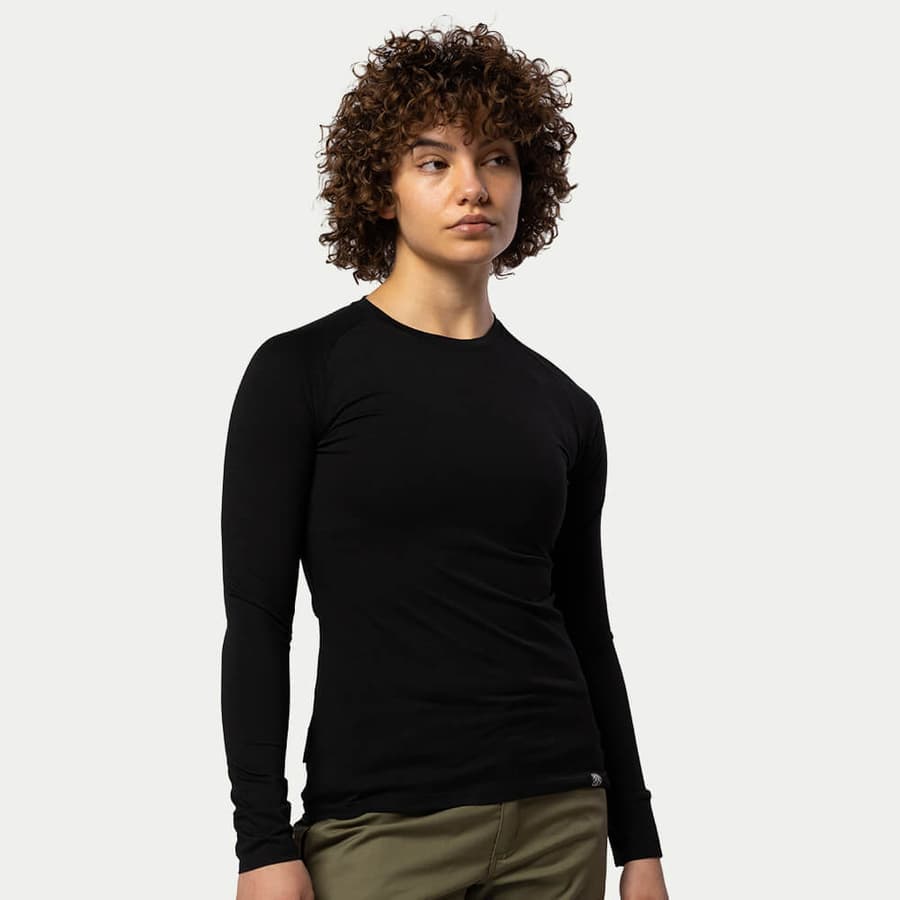
BN219 Light Merino LS Crew Women's


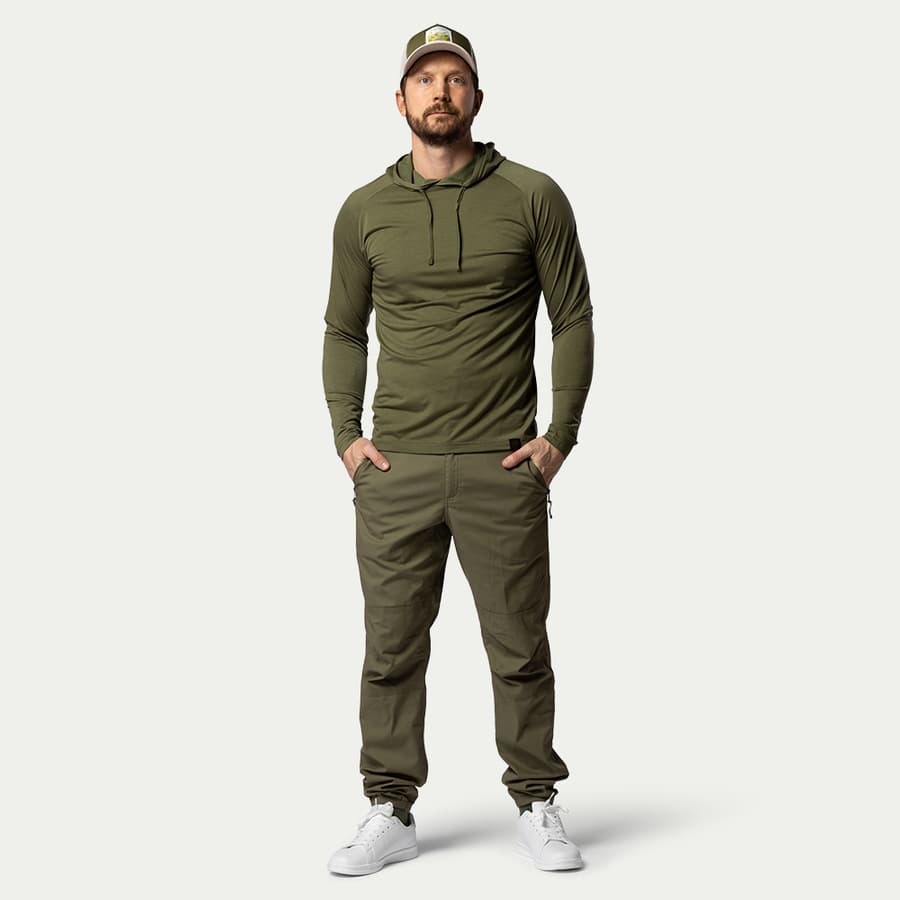
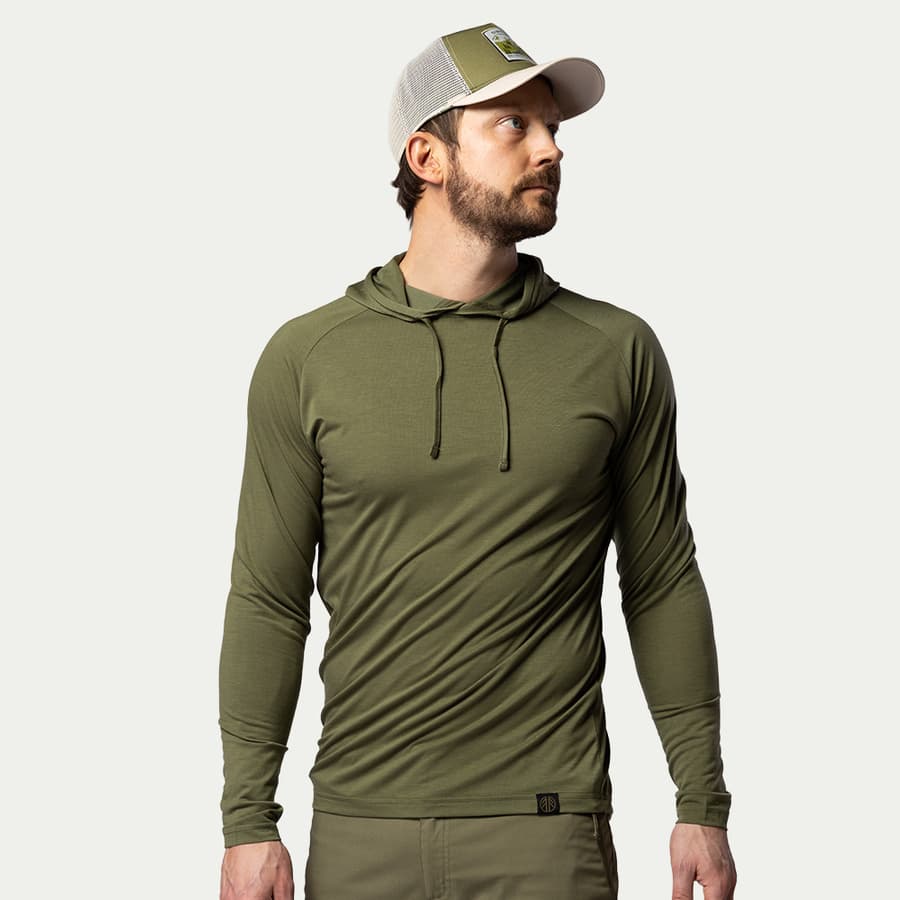
BN213 Light Merino Hoodie Men's


BN213 Light Merino Hoodie Women's
Onyx Black
59.00USD
Onyx Black
59.00USD
Moss Green
69.00USD
Moss Green
69.00USD


RECYCLED
NEW
RECYCLED
NEW
RECYCLED
NEW
RECYCLED
NEW
RECYCLED
NEW
RECYCLED
NEW
RECYCLED
NEW
RECYCLED
NEW


BN308 Retro Pile Jacket Men's


BN308 Retro Pile Jacket Women's


BN309 Retro Pile Vest Men's


BN309 Retro Pile Vest Women's
Black
Black
Beige
Beige
- 40%
- 40%
71.40USD
119.00USD
- 40%
- 40%
71.40USD
119.00USD
- 20%
- 20%
87.20USD
109.00USD
- 20%
- 20%
87.20USD
109.00USD


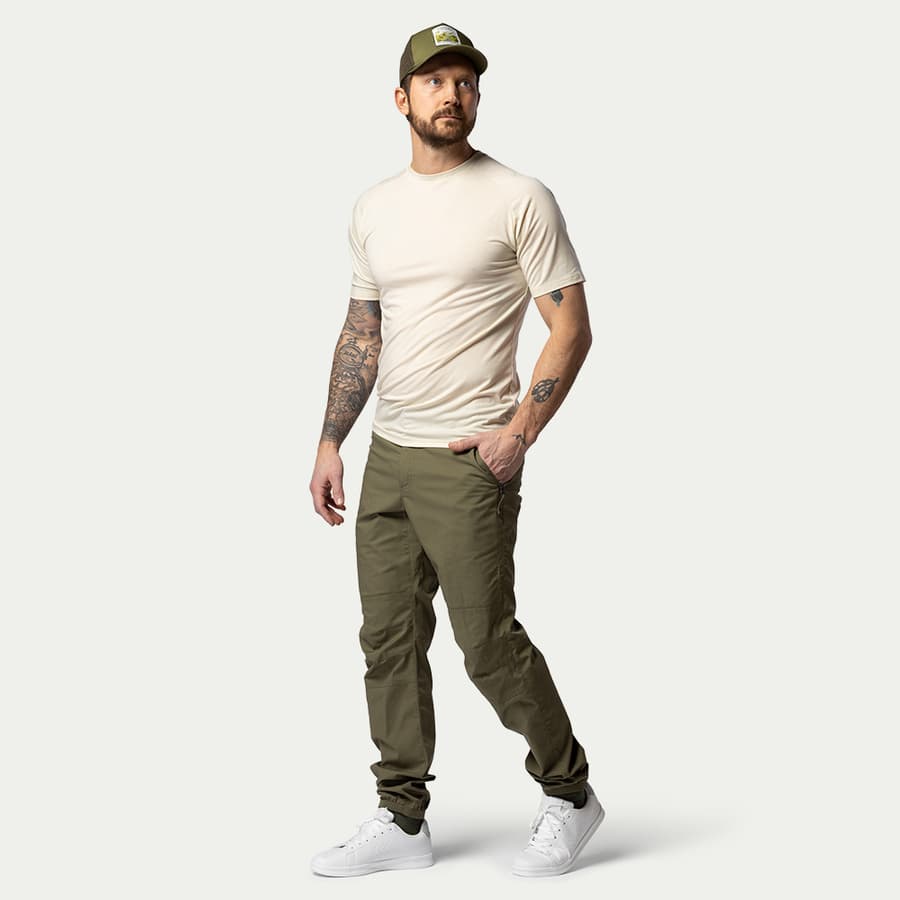
BN216 Light Merino T-Shirt Men´s


BN105 Merino Half Zip Hoodie Men's


BN219 Light Merino LS Crew Women's


BN106 Tech Fleece Hoodie Women's


BN308 Retro Pile Jacket Women's


BN309 Retro Pile Vest Women's


BN213 Light Merino Hoodie Women's
Bone White
49.00USD
Onyx Black
89.00USD
Onyx Black
59.00USD
Off Black
109.00USD
Black
Beige
Moss Green
69.00USD
RECYCLED
NEW
RECYCLED
NEW
RECYCLED
RECYCLED
RECYCLED
NEW
RECYCLED
NEW
- 40%
- 40%
71.40USD
119.00USD
- 20%
- 20%
87.20USD
109.00USD
RECYCLED
NEW
RECYCLED
NEW