0
0
The secret to comfortable hiking is not one perfect jacket—it’s knowing how to layer.
A simple 3-layer system helps you stay warm, dry, and comfortable as conditions change. In this guide, we'll show you how each layer works and how to build a reliable setup for almost any adventure.
Many beginner hikers focus on finding one jacket that can do everything.
Experienced hikers know that comfort on the trail comes from combining layers that each have a specific job.
A layering system helps you:
Instead of relying on one thick jacket, you use several lighter layers that can be added, removed or adjusted as conditions change.
The classic hiking layering system consists of three essential layers.
Moves moisture away from your skin to help keep you dry.
Traps warm air to provide breathable insulation.
Protects you from wind, rain and changing weather.
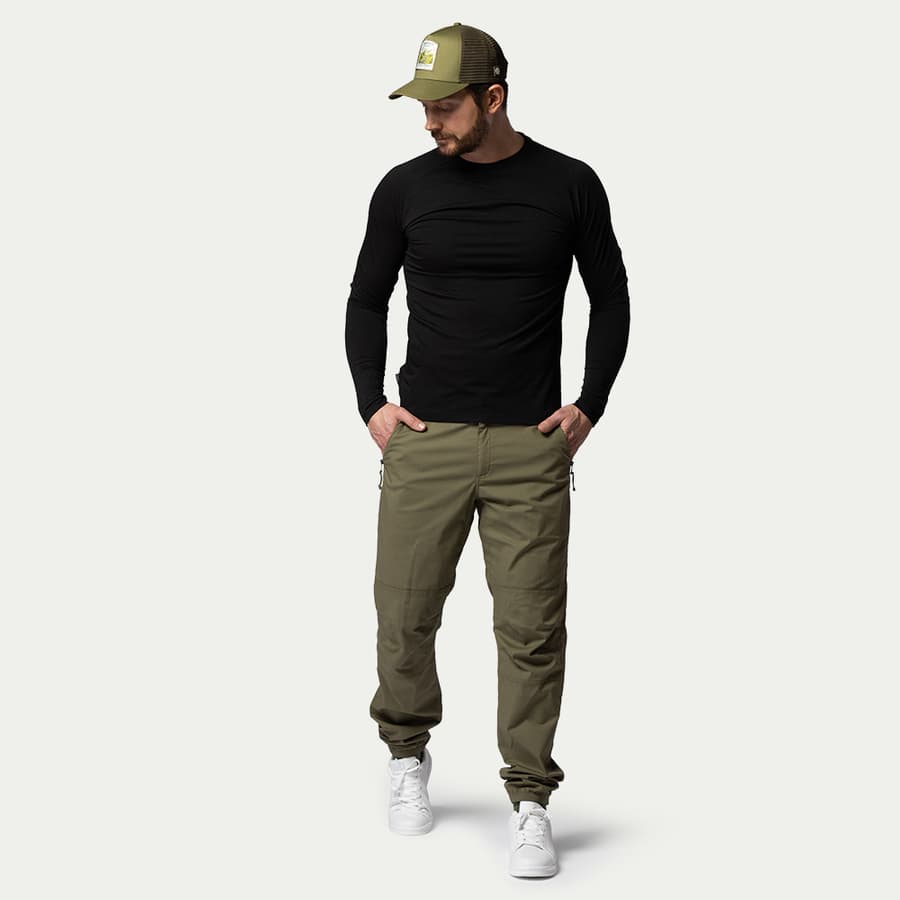
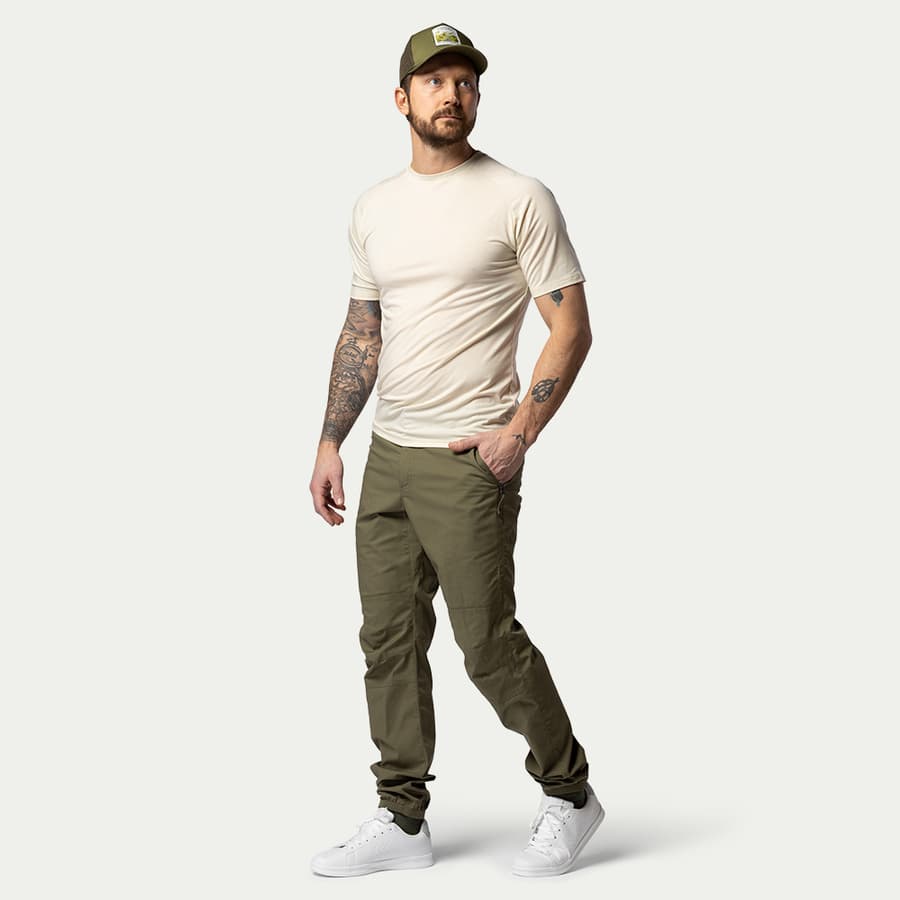
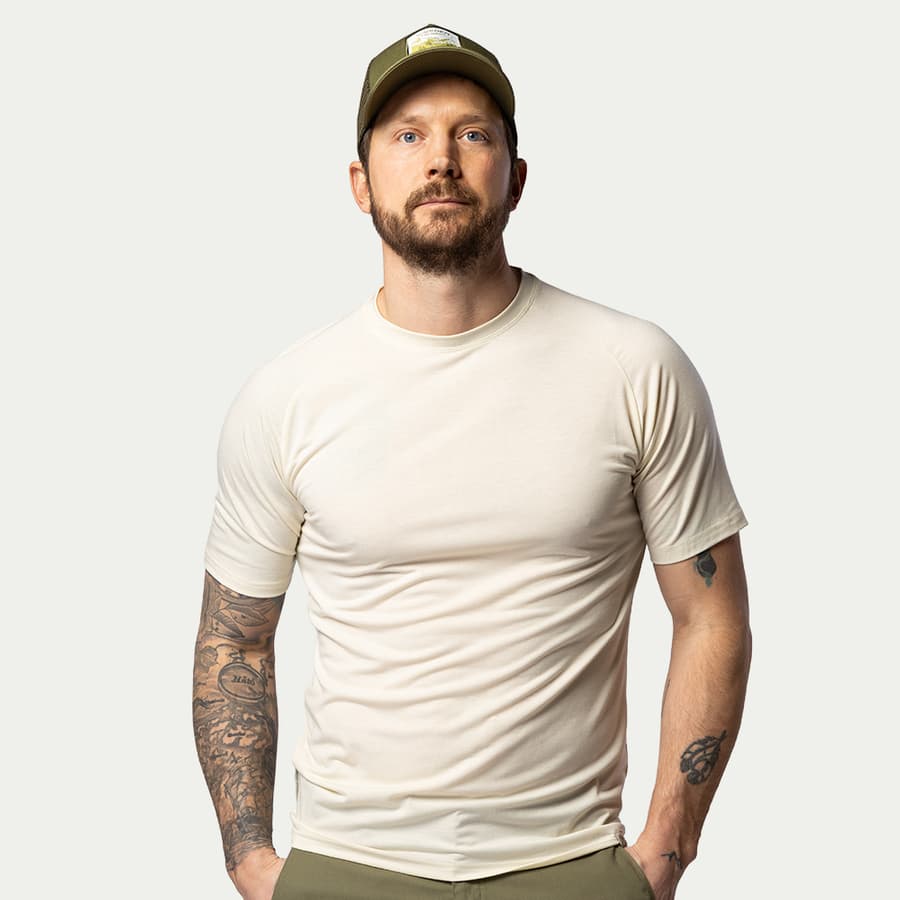
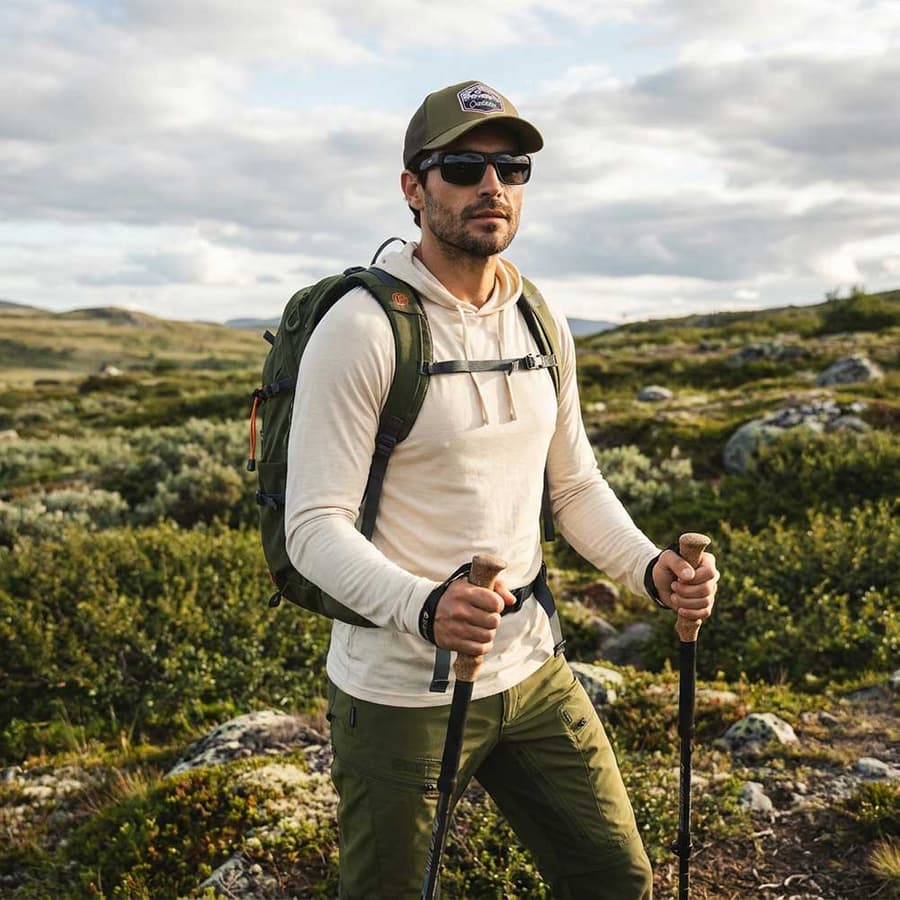
Your base layer sits closest to your skin, managing moisture to keep you dry, comfortable and at the right temperature throughout the day.
Merino wool offers natural temperature regulation and odour resistance. Synthetic fabrics are lightweight and quick-drying. Avoid cotton, as it absorbs moisture and loses insulation when wet.
Choose merino or synthetic over cotton for better comfort on the trail.
TOMAS PERSONAL FAVORITES
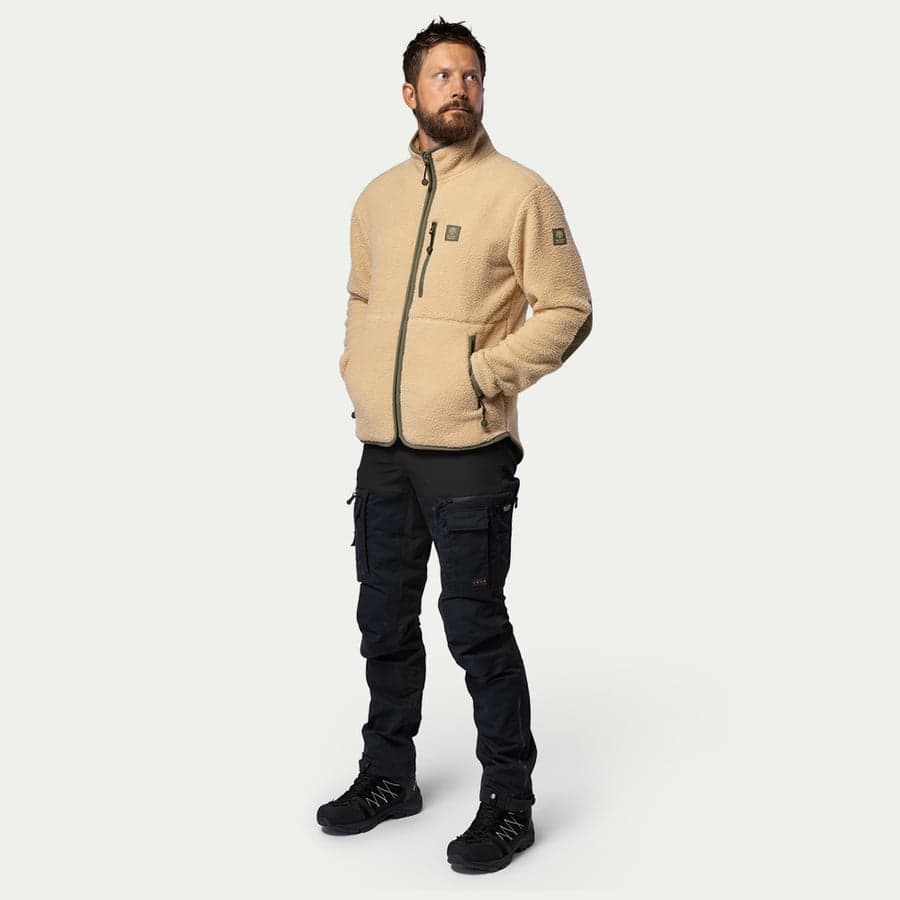
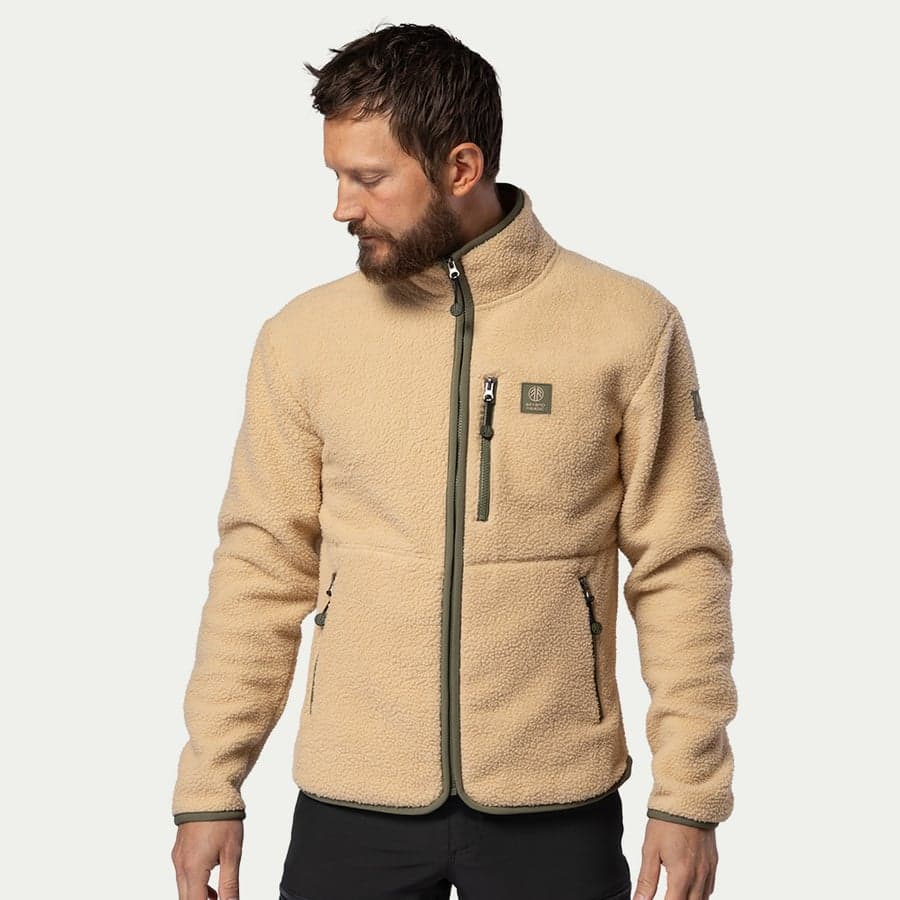
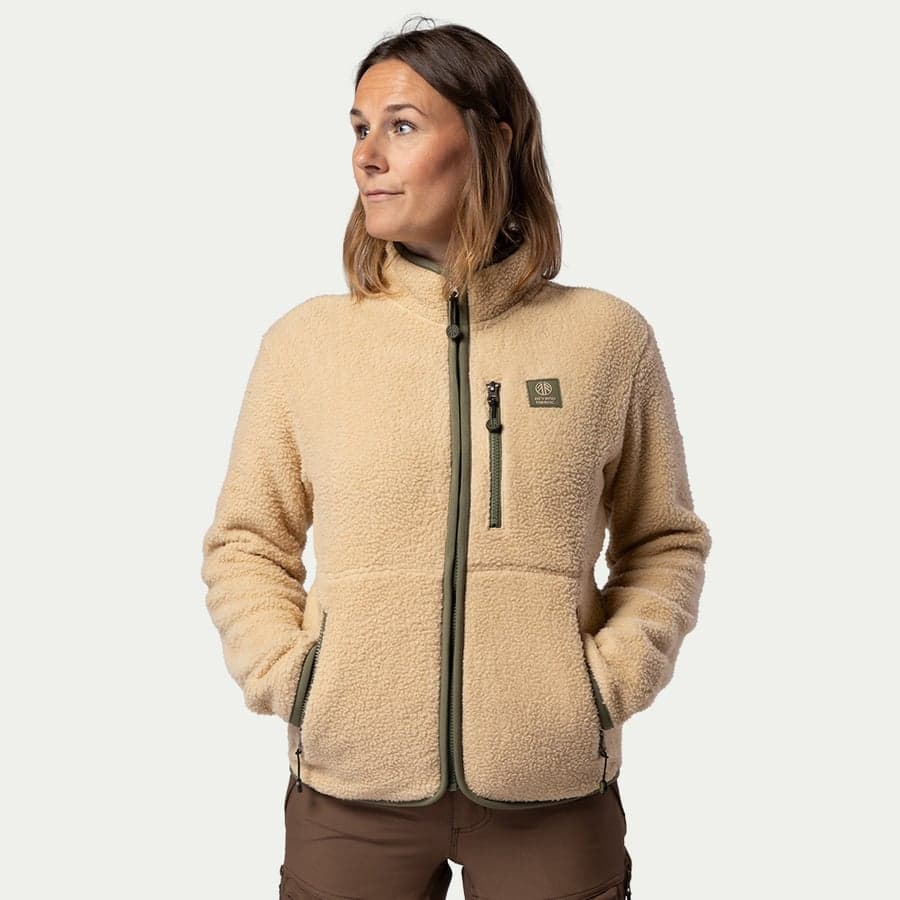
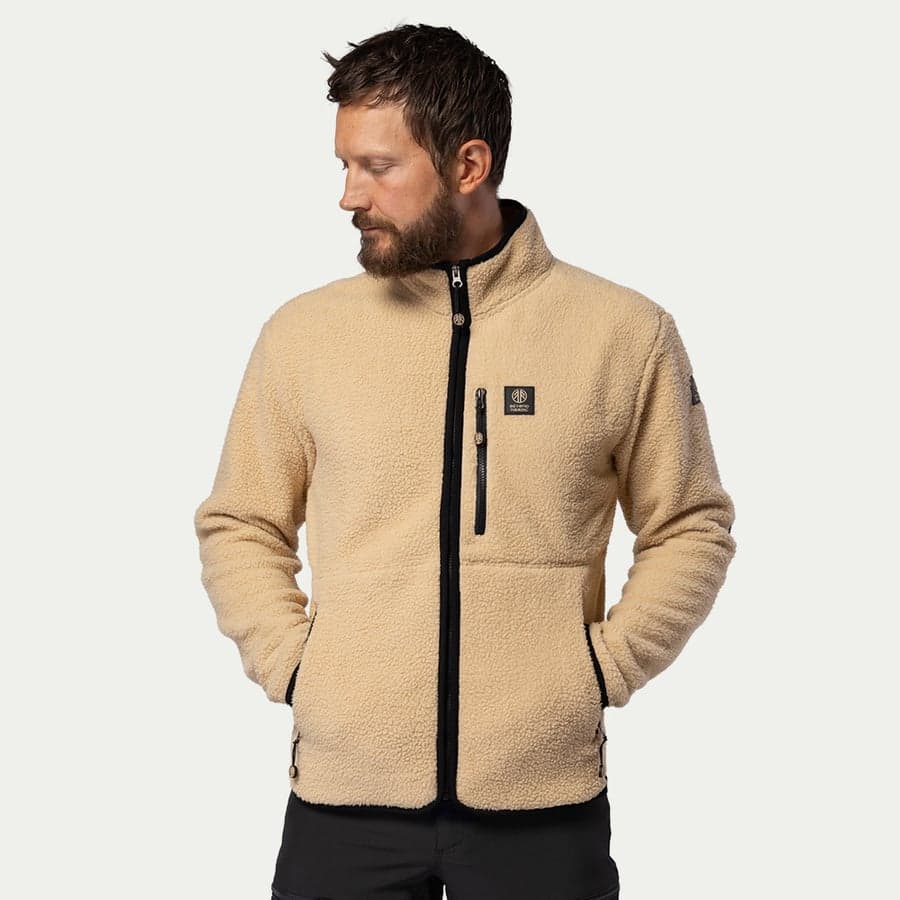
Your mid layer traps body heat while allowing excess moisture to escape, providing insulation in cooler conditions. Add or remove it to regulate your body temperature as your activity level and the weather change.
Fleece offers breathable warmth for active adventures, synthetic insulation performs well in damp conditions, while down provides exceptional warmth with minimal weight in cold, dry environments.
Start with the lightest insulation that keeps you comfortable—you can always add another layer if the temperature drops.
TOMAS PERSONAL FAVORITES
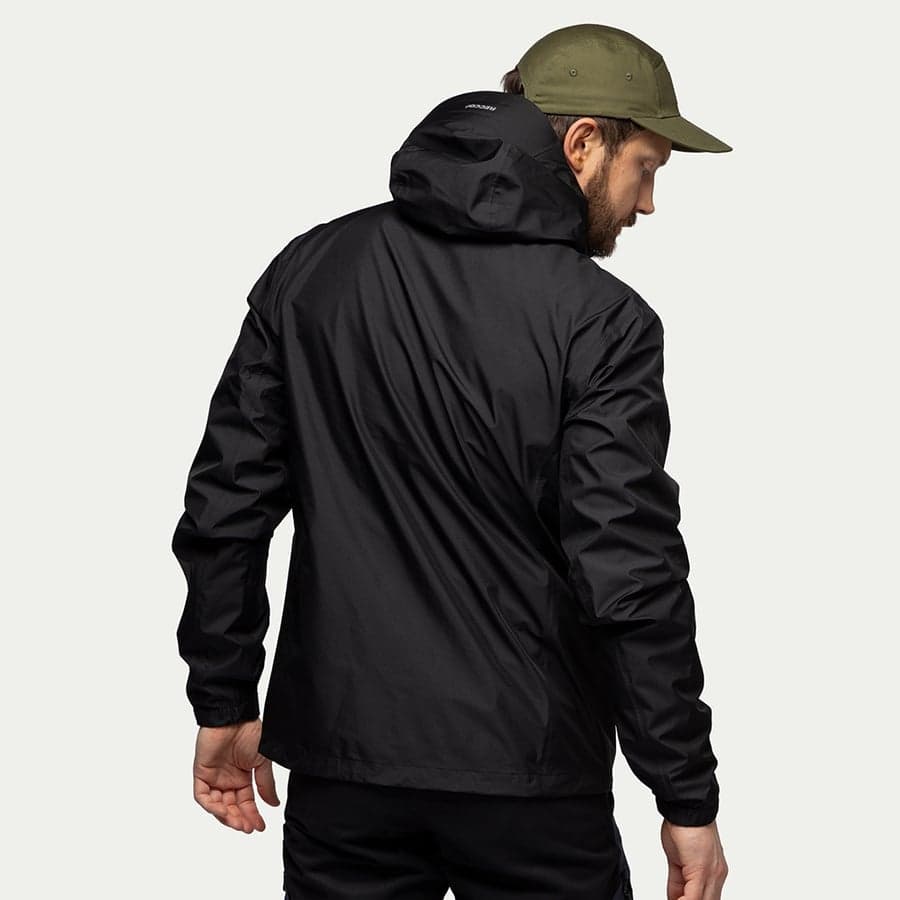
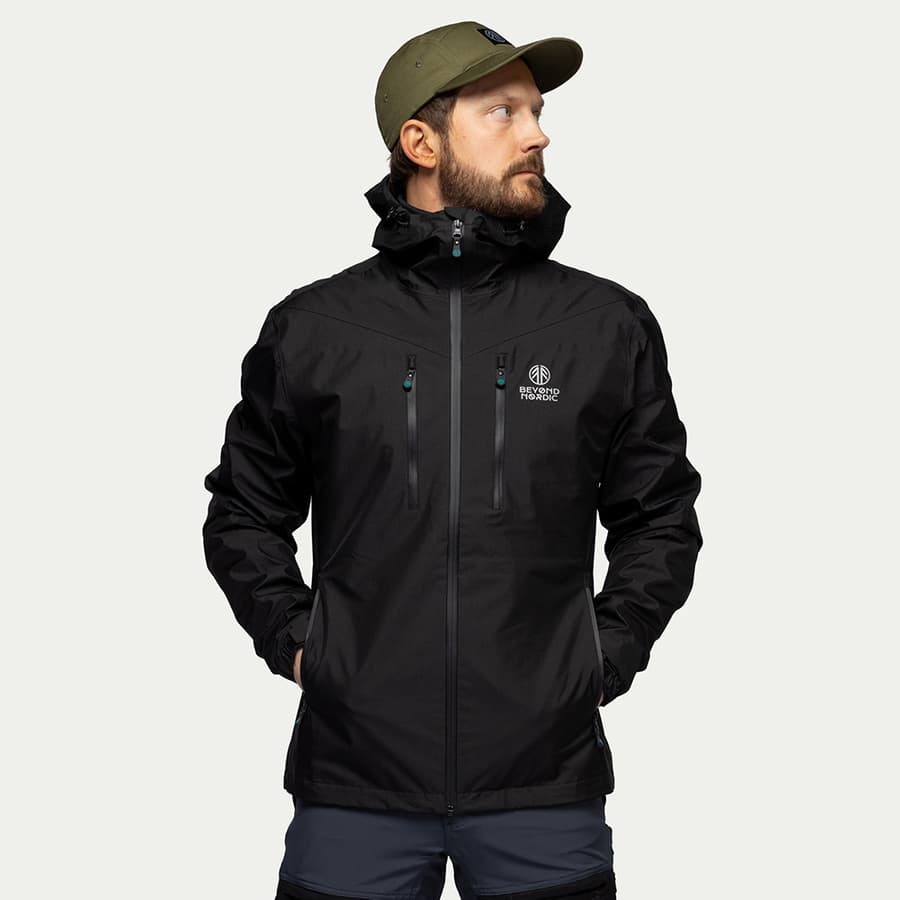
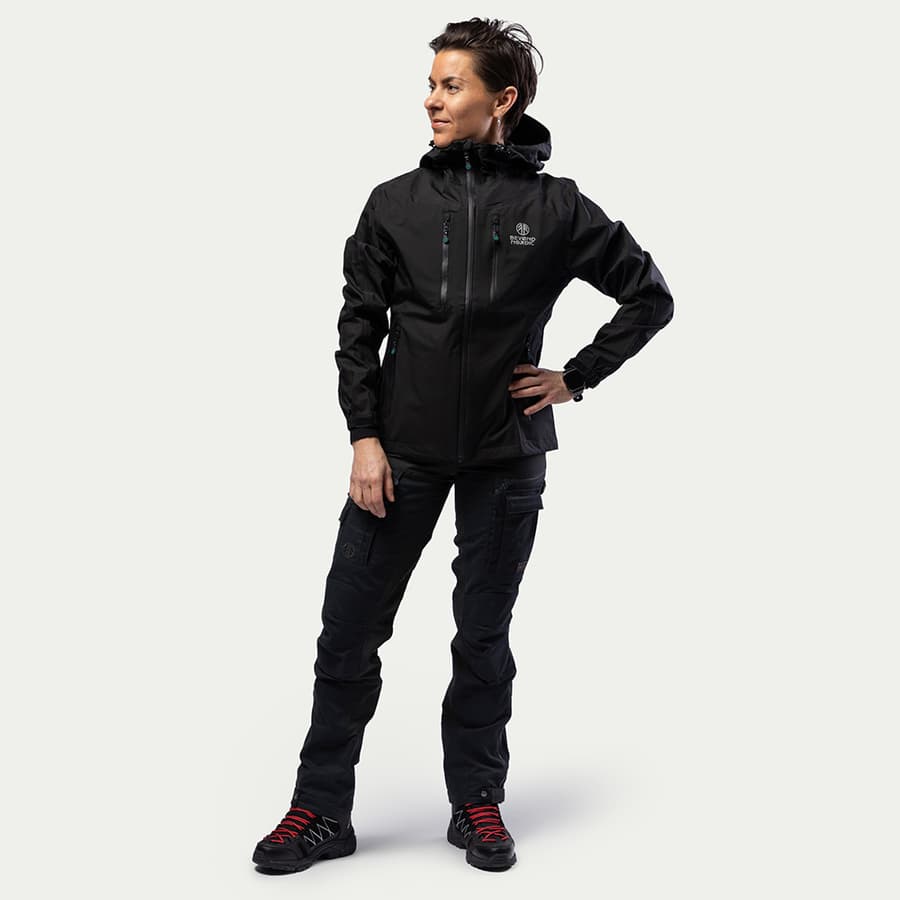
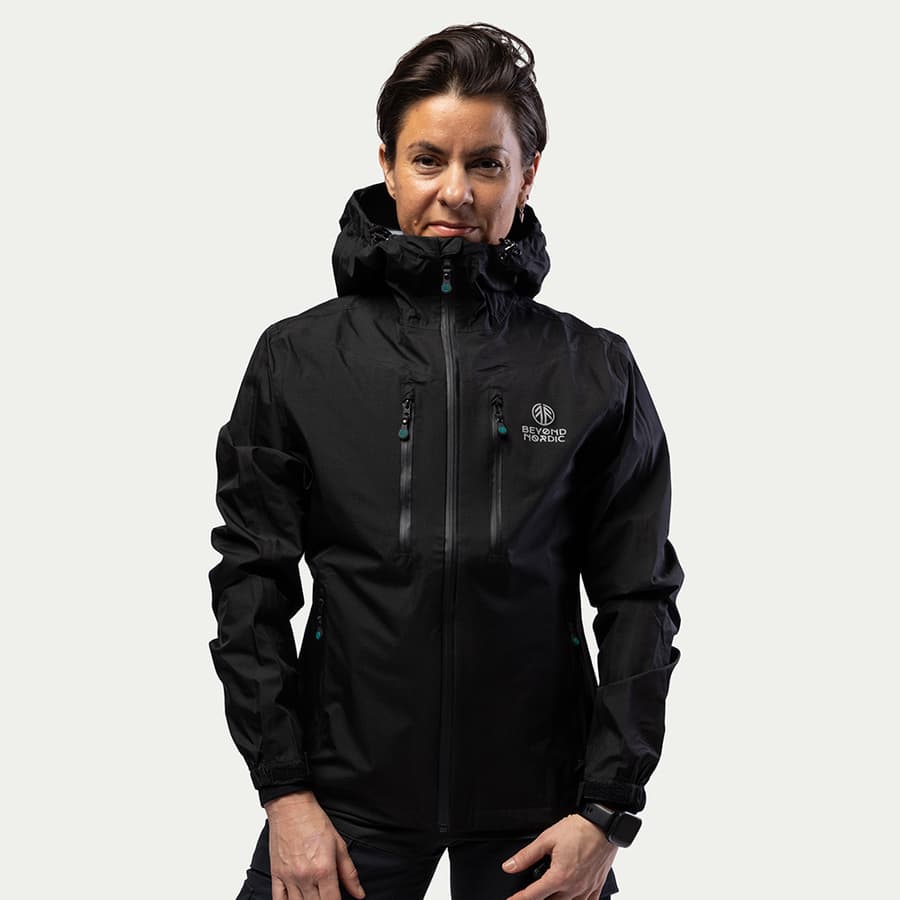
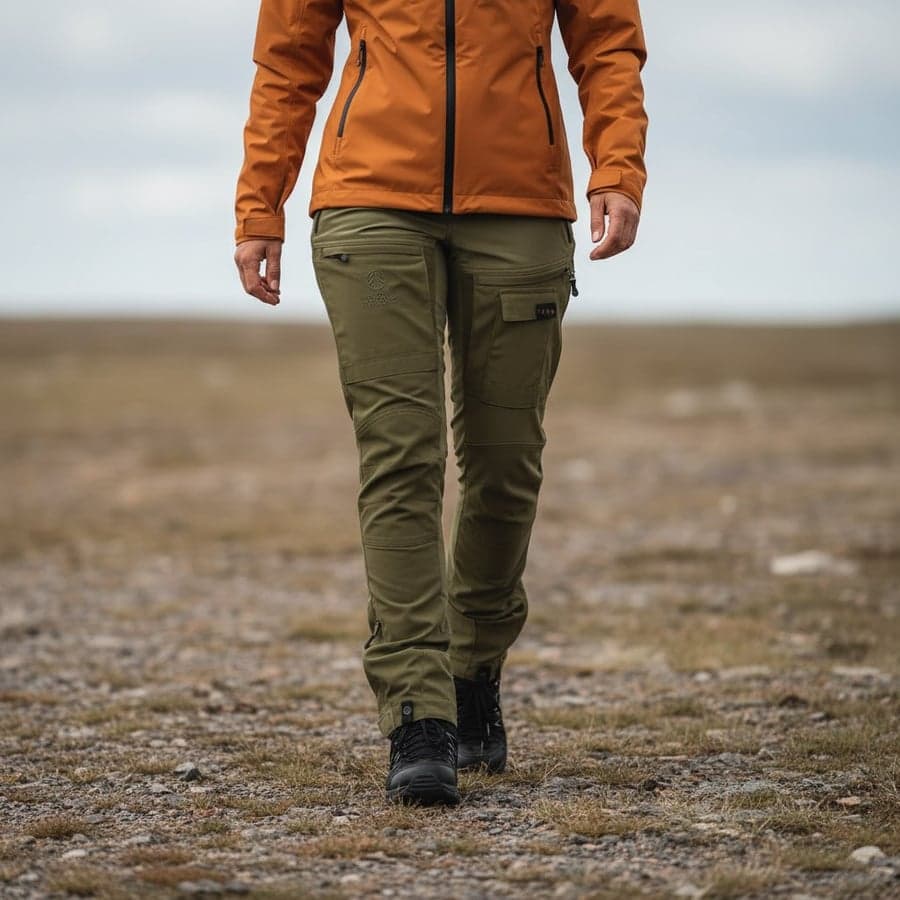
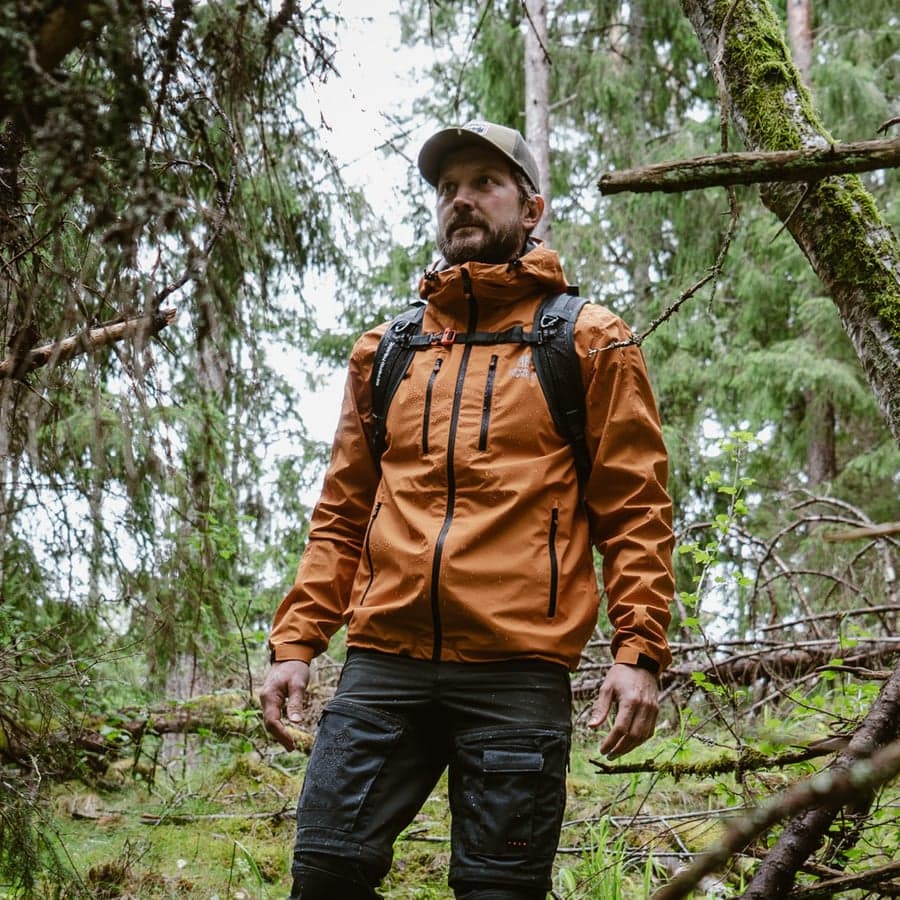
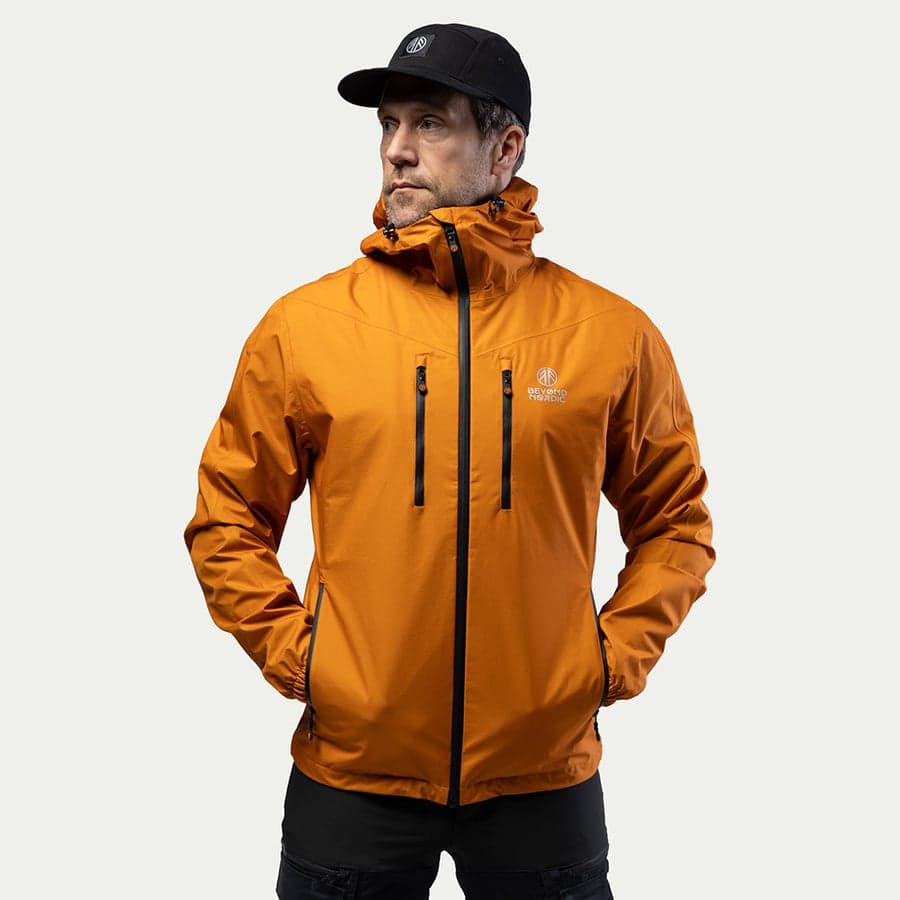
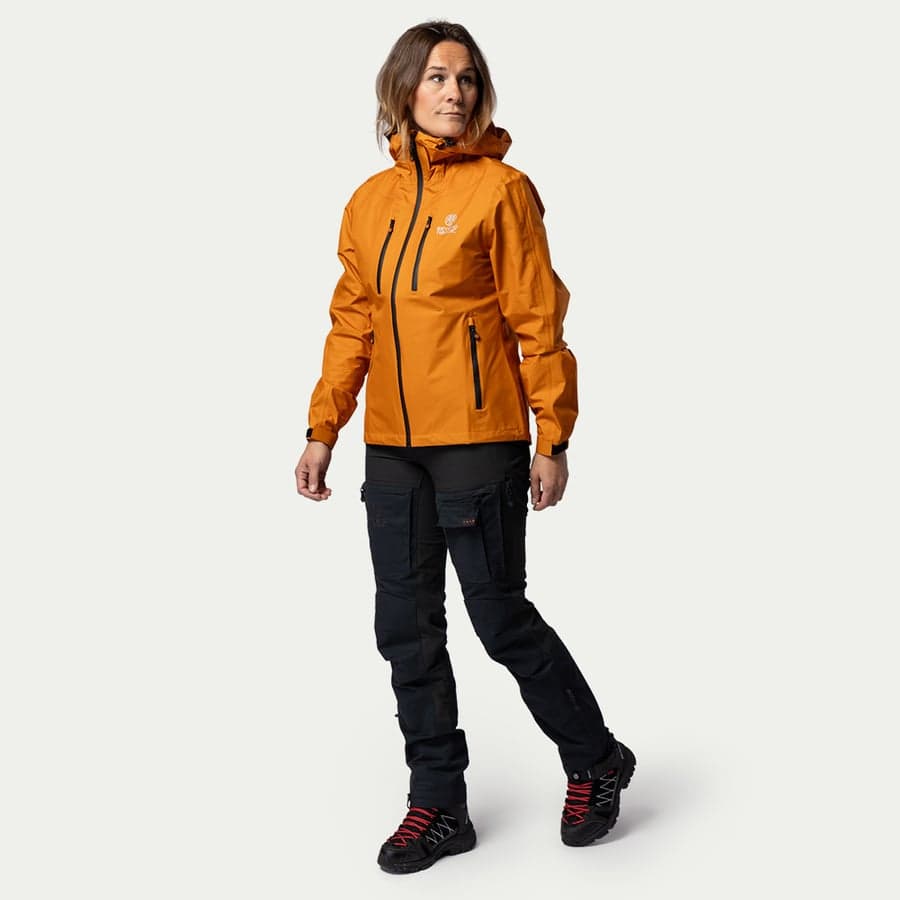
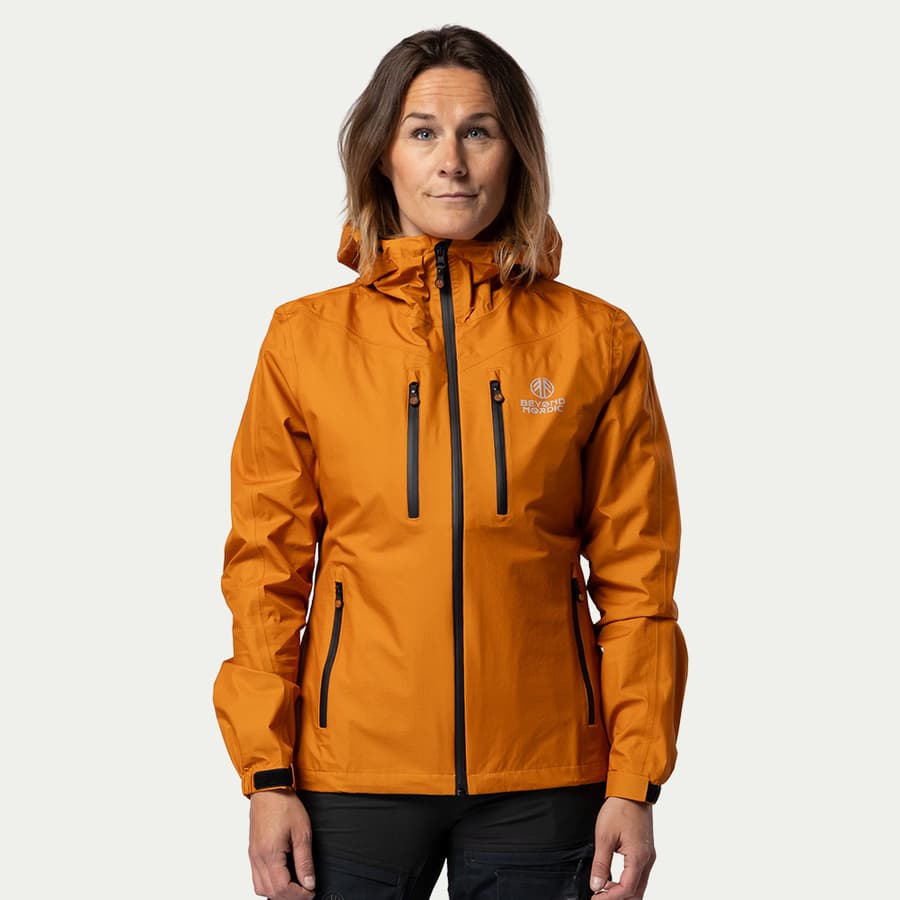
Your outer layer protects against wind, rain and snow while allowing excess heat and moisture to escape. It keeps your insulation performing and completes your layering system when conditions become unpredictable.
Waterproof membrane fabrics combine weather protection with breathability, allowing perspiration to escape while preventing rain and wind from reaching the layers underneath.
Carry a lightweight shell even when the forecast looks clear—weather in the mountains can change quickly.
TOMAS PERSONAL FAVORITES
There is no single perfect layering combination. The right setup depends on more than temperature alone. Wind, rain, activity level, elevation, time of day and your own body temperature all affect what you should wear.
A good rule is to adjust early. If you start sweating, remove or ventilate a layer before your clothing becomes damp. If you feel cold, add insulation before you lose too much body heat.
Pro Tip: Layer for the conditions—not just the temperature.
Even a good layering system will not perform well if it is used incorrectly. These are some of the most common mistakes beginners make—and the better choices that help you stay comfortable for longer.
As a general guideline, a base layer is often sufficient in temperatures above 20°C (68°F). Between 10–20°C (50–68°F), many hikers add a fleece or light mid layer. Below 10°C (50°F), a combination of base layer, insulation, and shell protection becomes increasingly important.
The key is to adjust continuously rather than waiting until you feel too hot or too cold.
If you are new to hiking, you do not need a huge wardrobe to get started.
A versatile setup can cover the majority of spring, summer and autumn conditions:
Moisture-wicking base layer
Fleece or lightweight insulating layer
Waterproof shell jacket
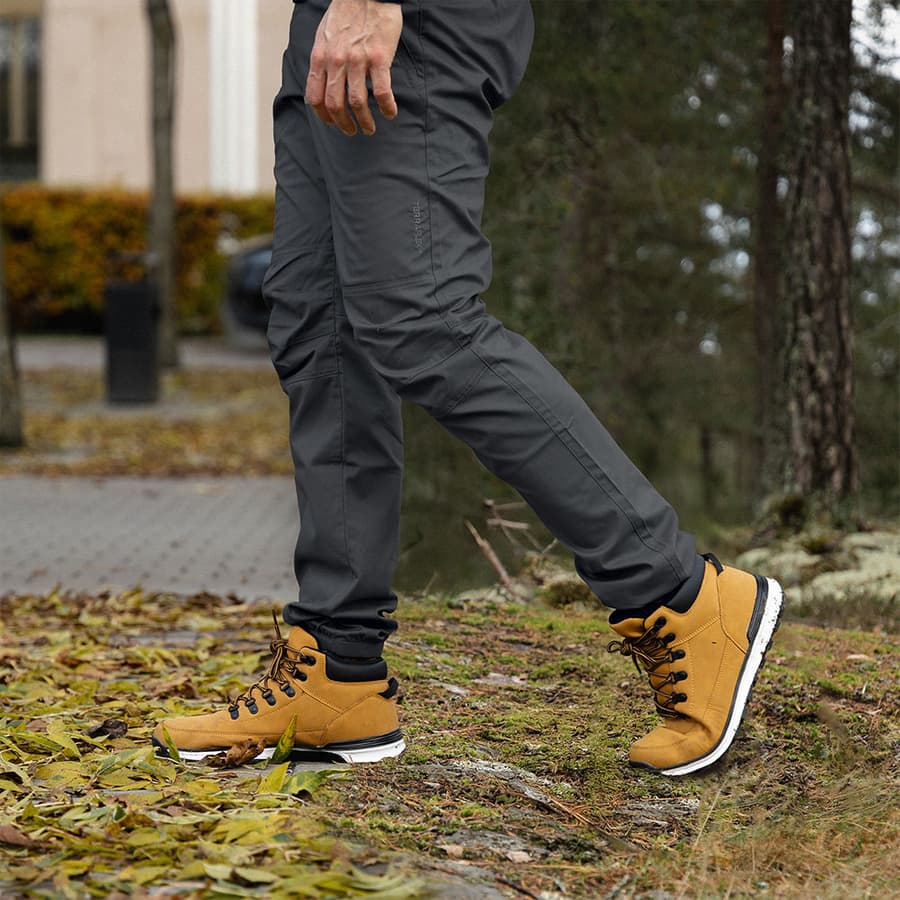
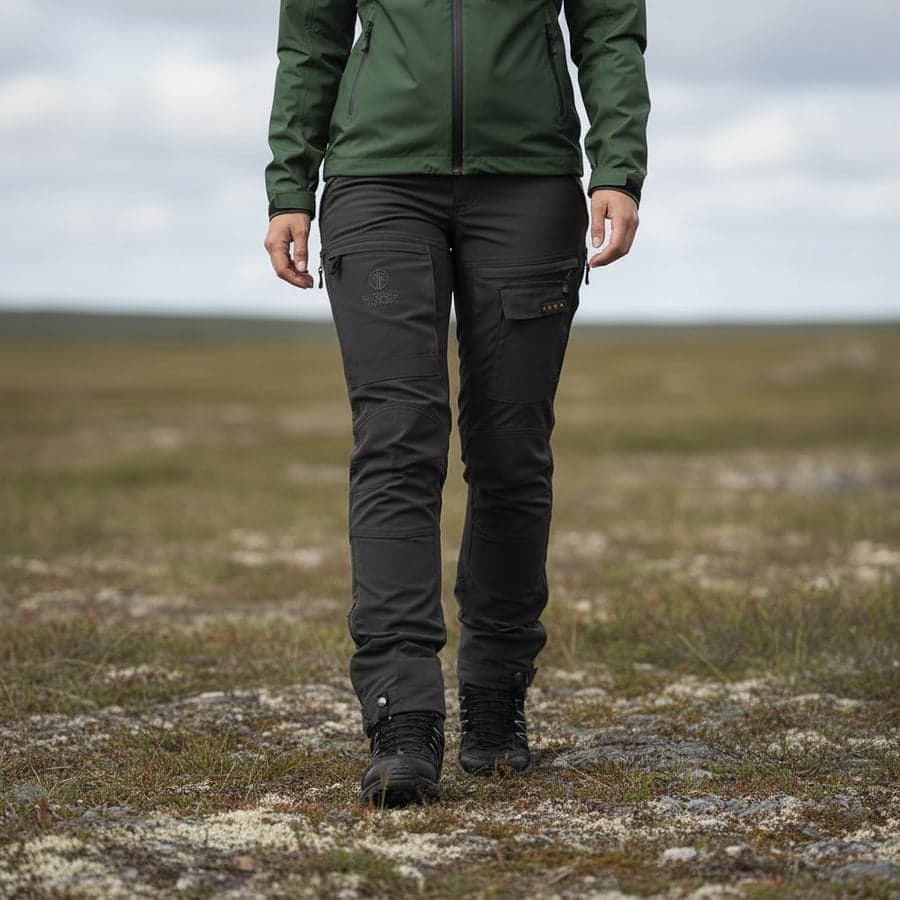
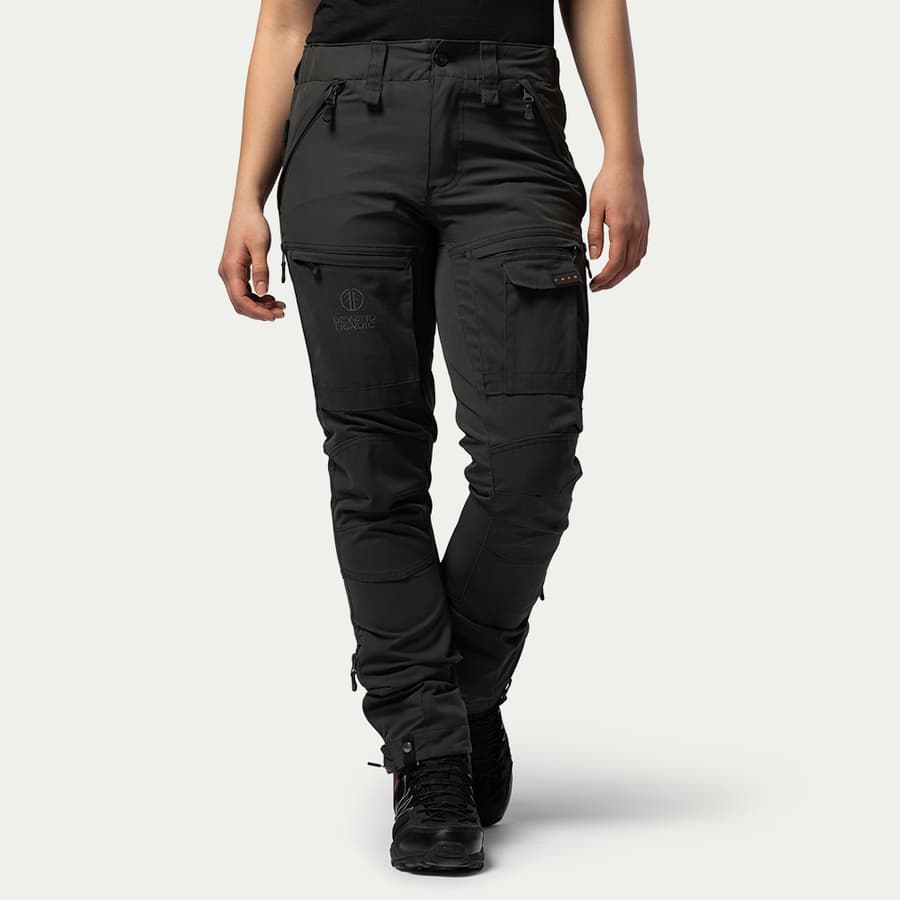
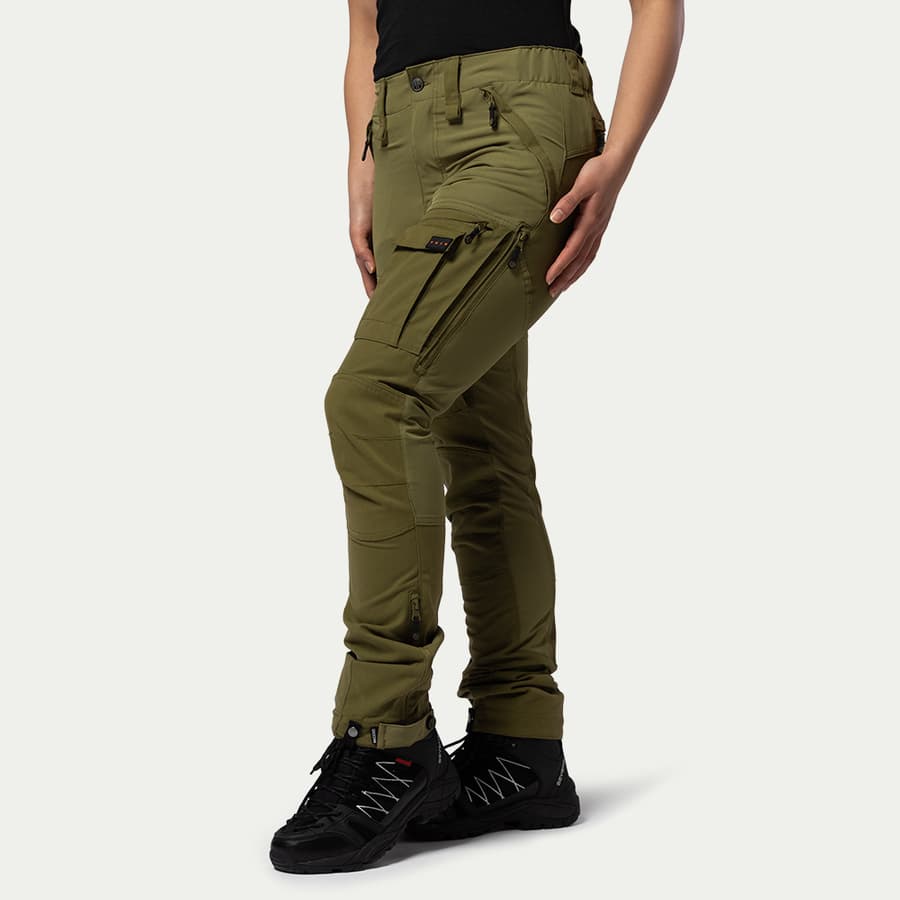
Comfortable hiking pants
Durable hiking socks
As you gain experience, you will learn which fabrics, weights and layer combinations work best for your preferred activities and local climate.
Temperature can be useful as a starting point, but it should never be the only thing that determines what you wear.
A mild day can still feel cold in strong wind. A cold morning can quickly feel warm once you start climbing. Rain, humidity and activity level can all change how your body feels.
Rather than following a strict temperature chart, build your outfit around the conditions and be ready to adjust throughout the day.
Learning how to layer is one of the most useful outdoor skills you can develop.
Rather than focusing on individual garments, focus on the role each layer plays. The base layer manages moisture. The mid layer provides insulation. The outer layer protects you from wind and weather.
Once you understand how these layers work together, choosing the right clothing becomes much easier—whether you are heading out for a short day hike, a weekend trek or a longer adventure.
The 3-layer system combines a base layer, mid layer and outer layer to help manage moisture, warmth and weather protection. The layers can be added or removed as conditions change.
Base layer: manages moisture next to your skin.
Mid layer: provides warmth and insulation.
Outer layer: protects against wind and rain.
No. The system is designed to be flexible. In warm, dry weather, a base layer may be enough. Add a mid layer when you need warmth and an outer layer when you need weather protection.
Start with a moisture-managing base layer, add a mid layer for warmth and use an outer shell when you need protection from wind or rain.
Start with your base layer and add a waterproof outer layer. Add a mid layer underneath if you need additional warmth.
Each layer should allow comfortable movement without creating unnecessary bulk. Your outer layer should have enough room to fit comfortably over the layers underneath.
Yes. In dry and mild conditions, a fleece can work well as your outer layer. When wind or rain increases, add a protective shell.
Adjust your layers as your activity and temperature change. Remove your mid or outer layer when you start getting too warm and put it back on when you slow down or conditions change.
It can be better to start slightly cool. Once you begin moving, your body will generate more heat. Keep an additional layer accessible so you can add warmth when needed.
Yes, if you’re expecting rain or strong wind. A mid layer provides warmth, while the outer layer provides weather protection.
Yes. The principle stays the same, but the weight and type of each layer can change depending on the season, temperature and activity level.
Add a mid layer when you need more warmth. If you also need protection from wind or rain, add an outer shell
Sign up for our newsletter and get 10% off your first order*
*Excluding campaigns, bundles and other offers
INFORMATION
CUSTOMER SERVICE
SHOP
© Beyond Nordic


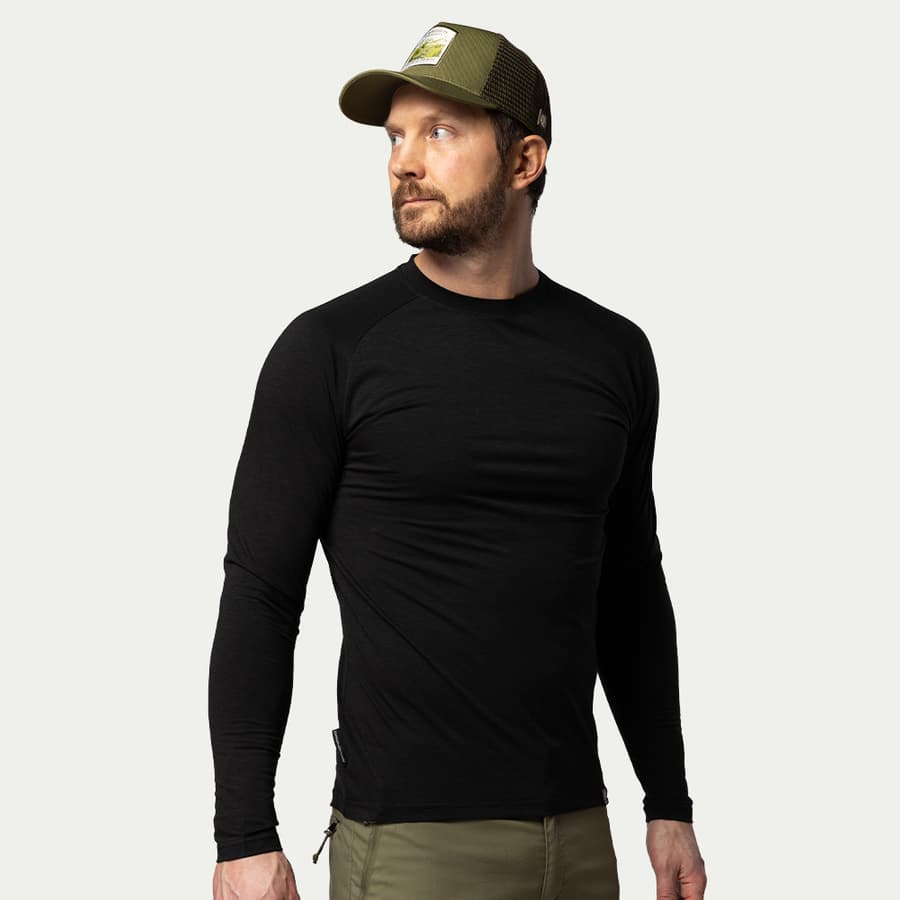
BN219 Light Merino LS Crew Men's


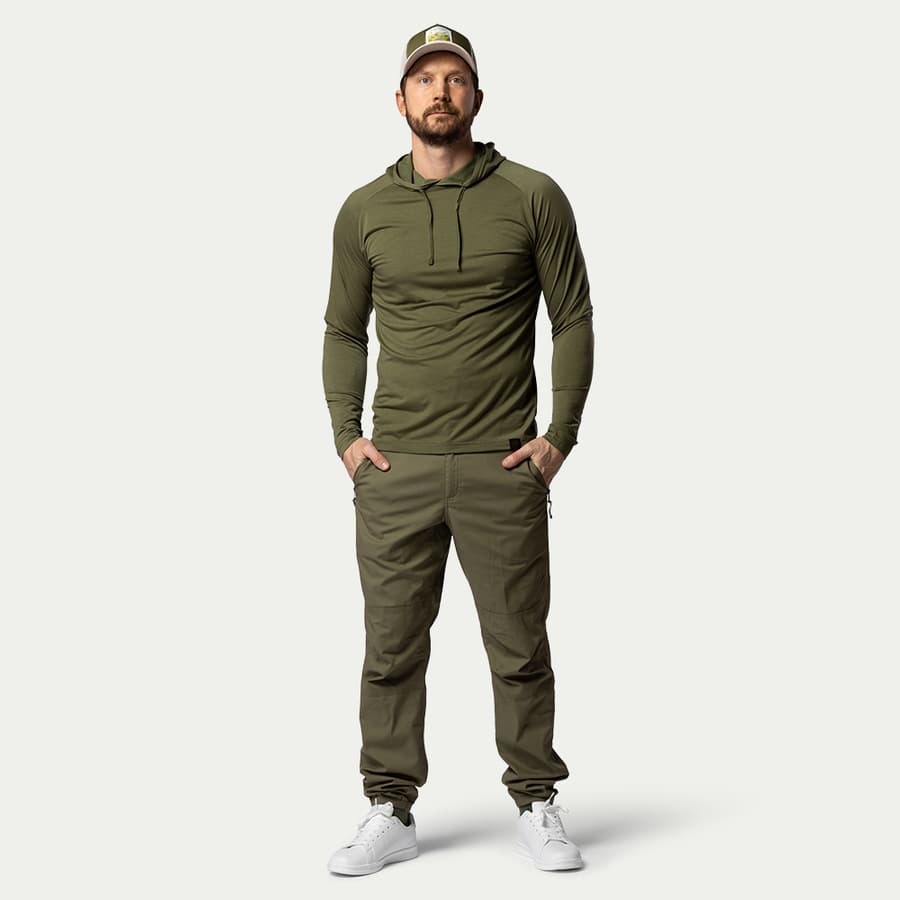
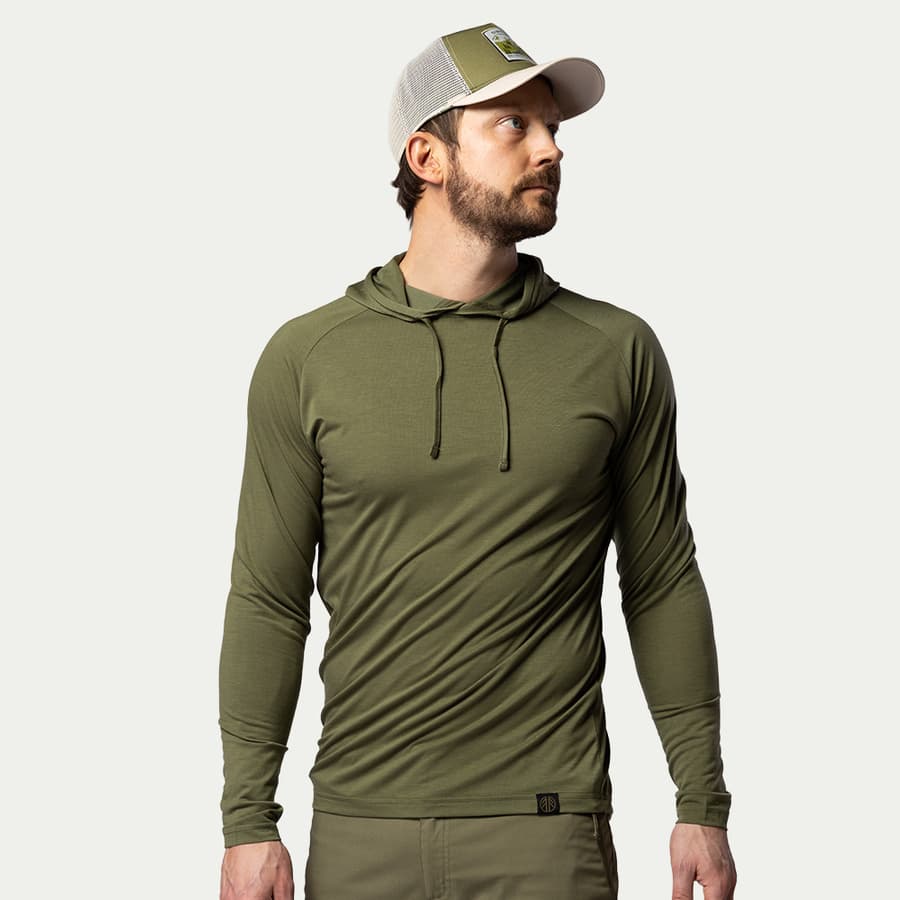
BN213 Light Merino Hoodie Men's


BN205 Performance T-Shirt Men's


BN216 Light Merino T-Shirt Men´s


BN105 Merino Half Zip Hoodie Men's
Onyx Black
59.00USD
Moss Green
69.00USD
Navy
35.00USD
Bone White
49.00USD
Onyx Black
89.00USD


RECYCLED
NEW
RECYCLED
NEW
RECYCLED
NEW
RECYCLED
NEW
RECYCLED
NEW
RECYCLED
NEW
RECYCLED
RECYCLED


BN301 v2 3L Lightweight Shell Jacket Men's
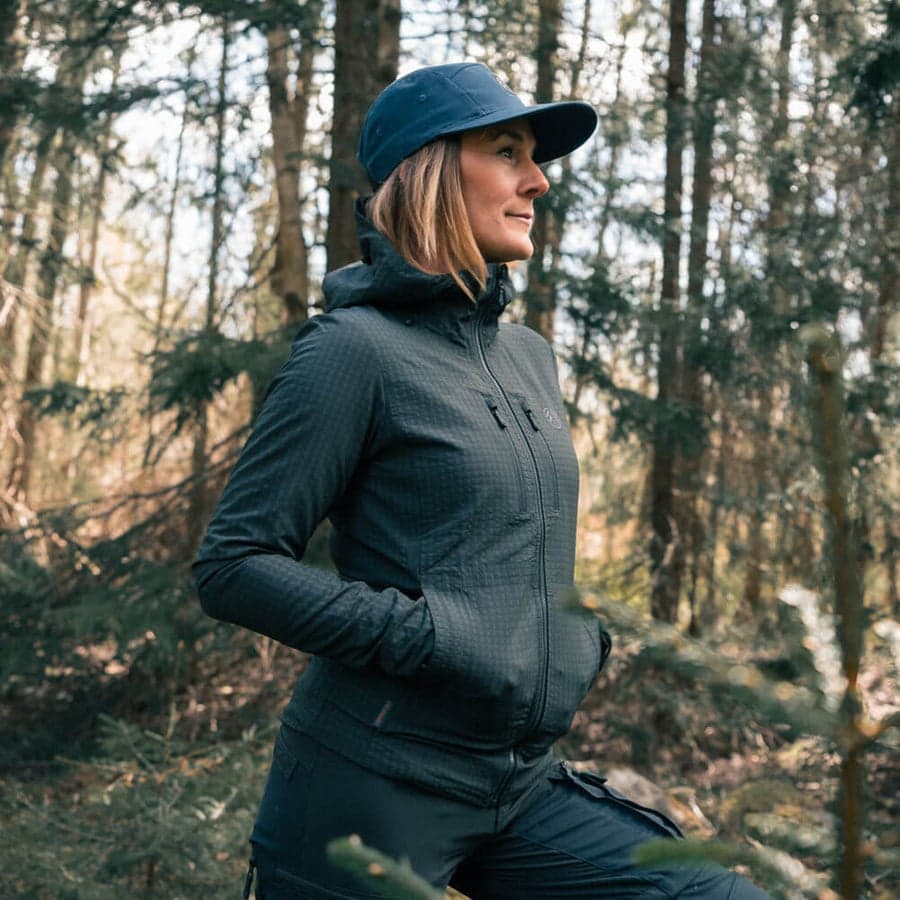

BN301 v2 3L Lightweight Shell Jacket Women's
Onyx Black
199.00USD
Onyx Black
199.00USD
RECYCLED
TOPSELLER
RECYCLED
TOPSELLER
RECYCLED
TOPSELLER
RECYCLED
TOPSELLER


BN106 Tech Fleece Hoodie Men's


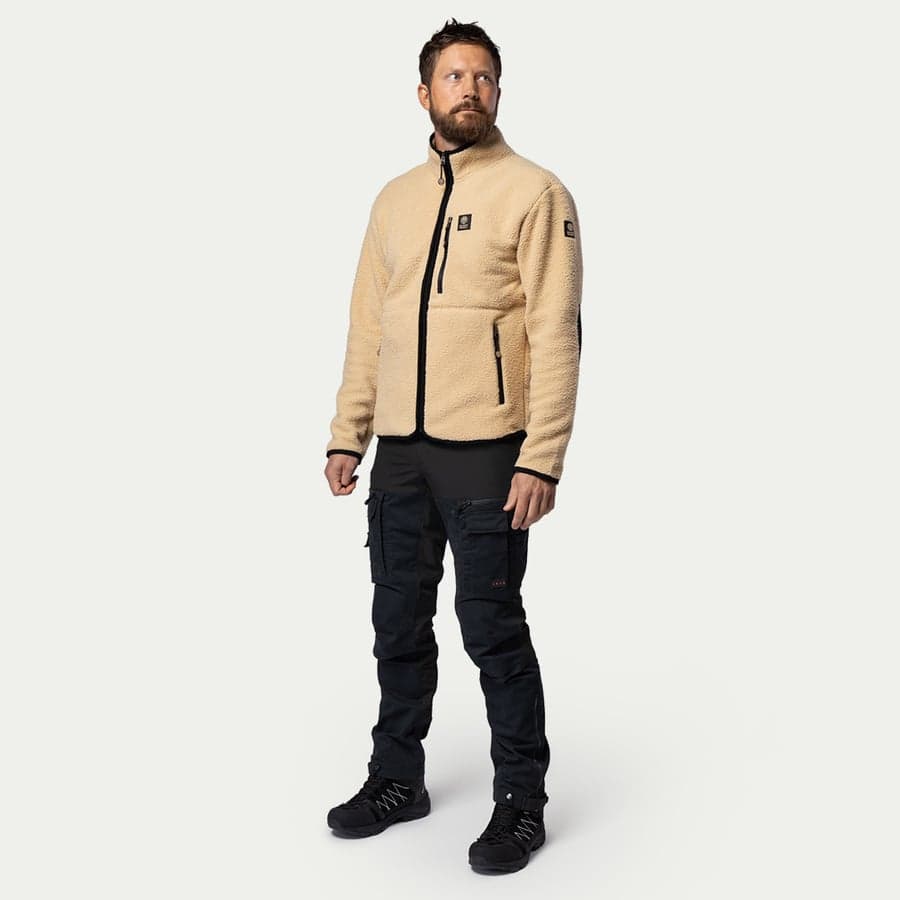
BN308 Retro Pile Jacket Men's


BN309 Retro Pile Vest Men's


BN106 Tech Fleece Hoodie Women's


BN308 Retro Pile Jacket Women's
Off Black
109.00USD
Beige Moss
Black
Off Black
109.00USD
Beige Moss


- 40%
- 40%
71.40USD
119.00USD
- 20%
- 20%
87.20USD
109.00USD
- 40%
- 40%
71.40USD
119.00USD


BN011 Casual Pants Men's


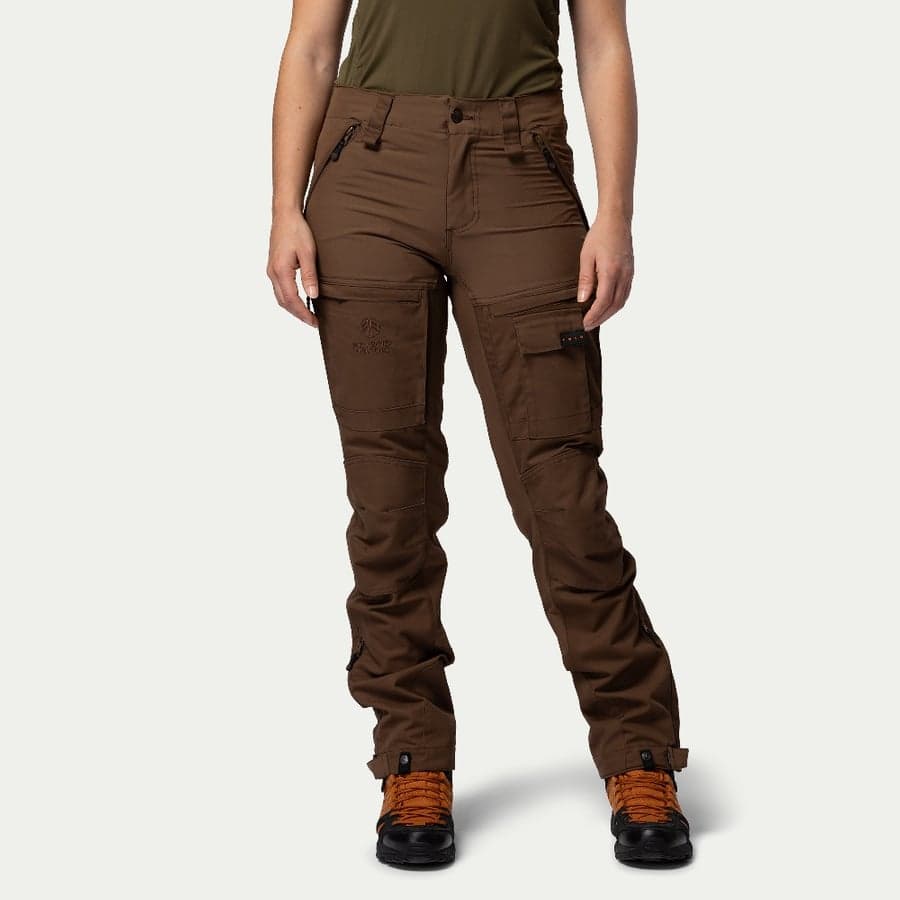
BN001 v2 Hiking Pants Women's


BN001 v2 Hiking Pants Women's


BN301 v2 3L Lightweight Shell Jacket Men's
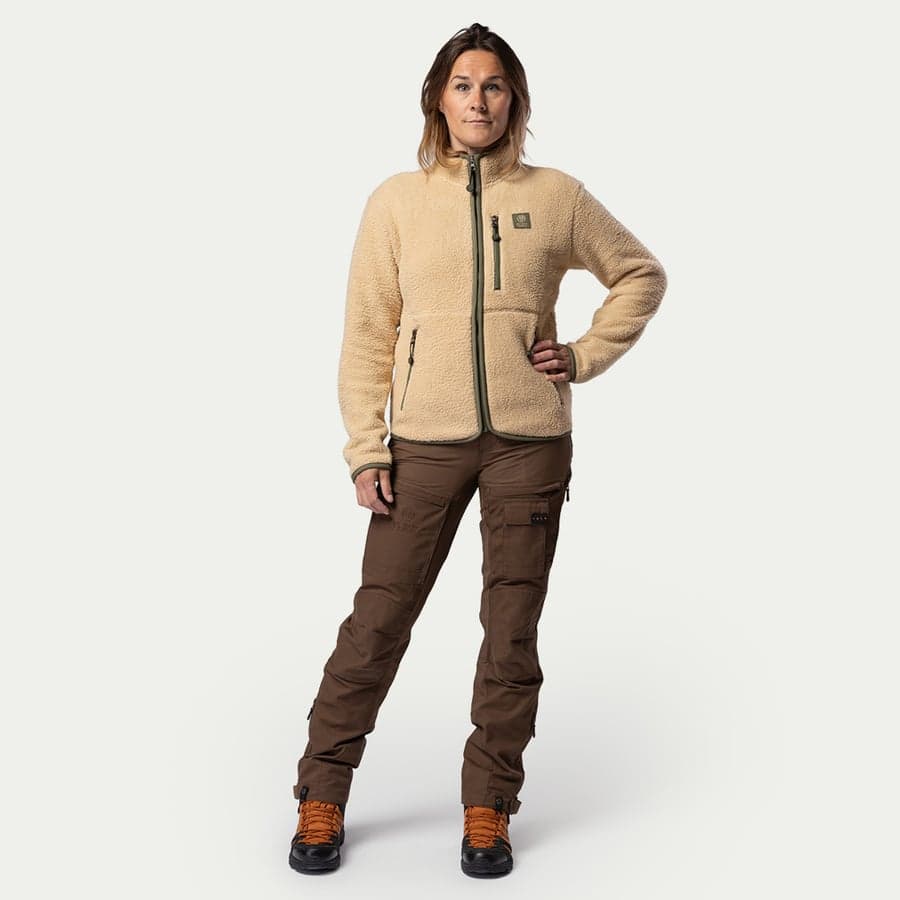

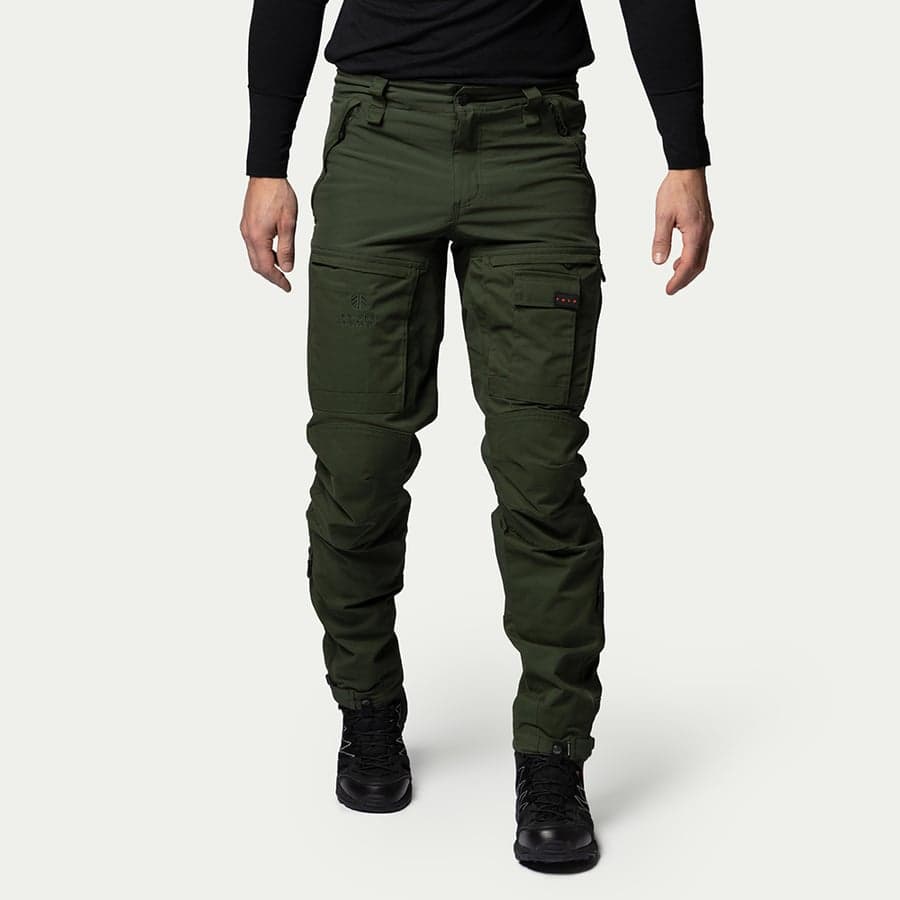
BN001 v2 Hiking Pants Men's
Asphalt Grey
Unexplored
Moss Green
Desert Sun
199.00USD
Kombu Green


RECYCLED
NEW
- 20%
RECYCLED
NEW
- 20%
87.20USD
109.00USD
RECYCLED
NEW
- 20%
RECYCLED
NEW
- 20%
103.20USD
129.00USD
RECYCLED
NEW
- 30%
RECYCLED
NEW
- 30%
90.30USD
129.00USD
RECYCLED
NEW
RECYCLED
NEW
RECYCLED
TOPSELLER
- 20%
RECYCLED
TOPSELLER
- 20%
103.20USD
129.00USD