0
0
The Ultimate Clothing & Packing Checklist
Everything You Need for a Day Hike or Multi-Day Adventure.
Whether you’re planning your very first hike or preparing for a multi-day trek, the right clothing and equipment can make every adventure safer, more comfortable and more enjoyable.
This guide covers everything you need to wear and pack—from choosing the right layers to complete packing lists for both day hikes and overnight adventures.
A successful hike starts before you step onto the trail.
☐ Check the weather forecast
☐ Download offline maps
☐ Tell someone where you’re going
☐ Charge your phone and power bank
☐ Test your headlamp
☐ Check water availability
☐ Pack enough food and snacks
☐ Break in new hiking boots before longer hikes
The goal isn’t to wear more clothing—it’s to wear the right clothing.
A good hiking outfit keeps you dry, regulates your temperature and protects you from changing weather conditions.
For most hikes you’ll need:
Wondering what to wear next to your skin?
Not sure what to wear for the conditions?
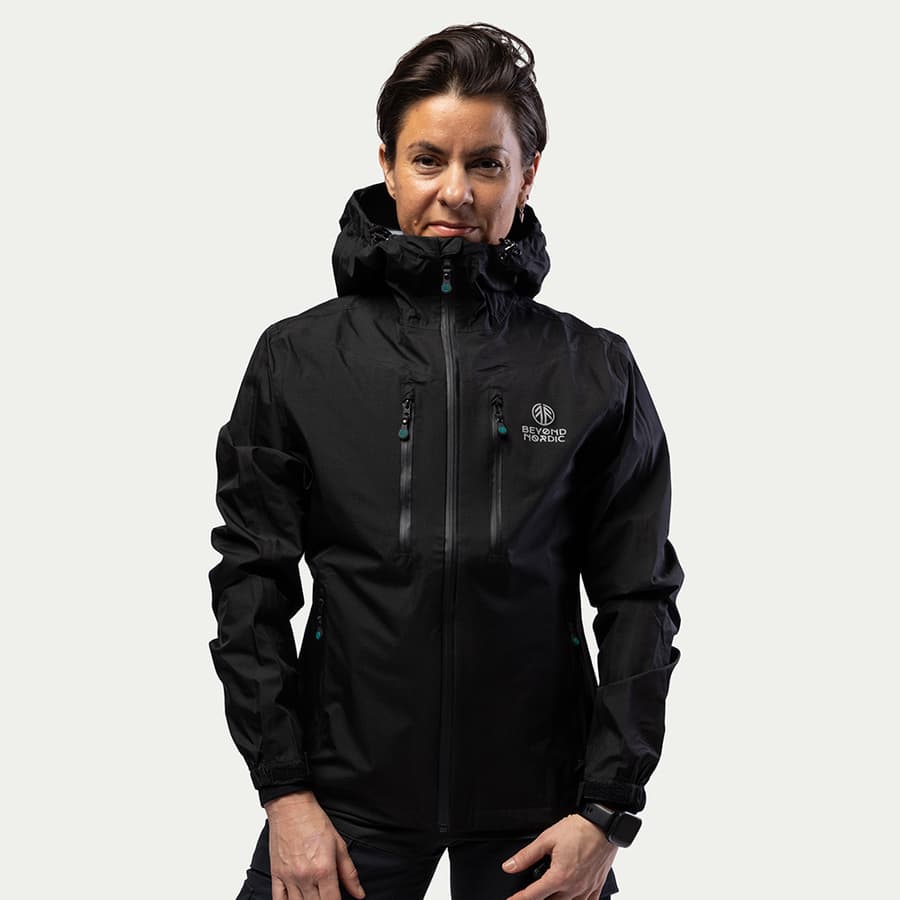
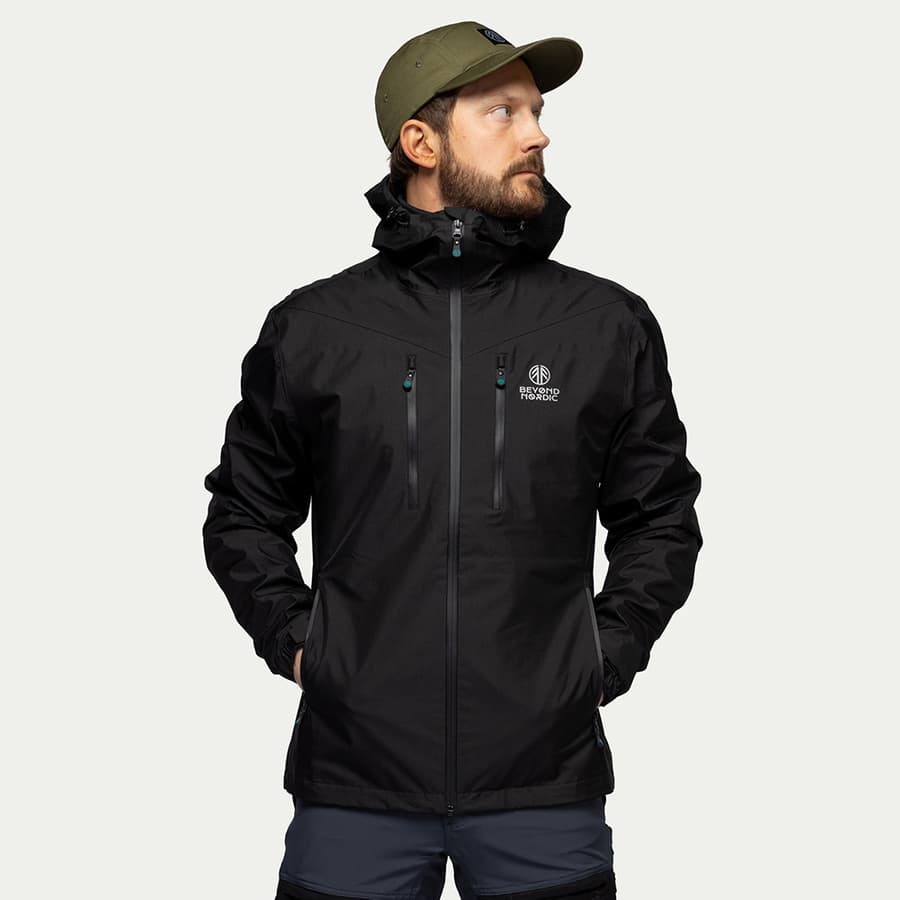
Not sure what you need for wind and rain?
Recommended Products
No matter the distance or season, these are the items every hiker should consider bringing. Start with this checklist for every adventure.
☐ Sun cap or hiking hat
☐ Buff / Neck gaiter
☐ Sunglasses
Worth Packing (Even in Summer)
☐ Lightweight beanie
☐ Lightweight liner gloves
Cool mornings, mountain winds and evening temperatures can quickly make your hands and head cold. These lightweight items add very little weight but provide noticeable comfort when conditions change.
Cold Weather
☐ Insulated gloves
☐ Warm beanie
☐ Gaiter
| Conditions | Recommended Clothing | |
| Warm | (20°C+) Base layer + hiking pants | |
| Mild | (10–20°C) Base layer + fleece | |
| Cool | 0–10°C) Base layer + fleece + shell | |
| Rain | Base layer + shell | |
| Winter | Base + fleece + insulation + shell | |
| Remember: | Start slightly cool —you’ll warm up once you begin hiking. |
| Trip | Recommended Backpack | |
| Short hike (2–4 hours) | 15–20L | |
| Full day hike | 20–30L | |
| Overnight | 40–50L | |
| 2–5 day trek | 50–70L | |
| Expedition | 70L+ |
Prefer to read online? Explore the complete packing checklist and recommendations below.
Whether you’re heading out for a few hours or several days, your packing list will vary depending on the length of your adventure. Use the checklists below to make sure you’ve packed everything you need before hitting the trail.
For a typical day hike, add the following items to your "Always Recommended".
☐ Base layer
☐ Mid layer (weather dependent)
☐ Waterproof shell jacket
☐ Hiking pants or shorts
☐ Hiking socks
☐ Hiking boots or trail shoes
☐ Sun cap
☐ Buff
☐ Sunglasses
☐ Lightweight beanie
☐ Lightweight liner gloves
☐ 20–30L backpack
☐ Rain cover
☐ Dry bag or Ziplock for electronics, documents and spare clothing
☐ 1–2 litres of water
☐ Lunch
☐ Energy snacks
☐ Electrolytes (optional)
☐ Phone with offline maps
☐ Paper map
☐ Compass
☐ Power bank
☐ First aid kit
☐ Personal medication
☐ Blister plasters
☐ Emergency whistle
☐ Headlamp
☐ Sunscreen
☐ SPF lip balm
☐ Insect repellent
☐ Trekking poles
☐ Camera
☐ Sit pad
☐ Binoculars
Planning an overnight or multi-day adventure? Pack everything from the "Always Recommended" and "Day Hike" Additions, then add the following gear:
☐ 40–70L backpack
☐ Rain cover
☐ Dry bags
☐ Ziplock bags
☐ Stuff sacks
☐ Pack liner
☐ Tent
☐ Tent footprint
☐ Stakes & guy lines
☐ Repair kit
☐ Sleeping bag
☐ Sleeping pad
☐ Pillow
☐ Stove
☐ Fuel
☐ Pot
☐ Mug
☐ Cutlery
☐ Lighter
☐ Fire starter
☐ Dish cloth
☐ Water bottles or hydration reservoir
☐ Water filter
☐ Water purification tablets
☐ Electrolyte tablets
☐ Breakfast
☐ Lunch
☐ Dinner
☐ Trail snacks
☐ Coffee or tea
☐ Extra base layer
☐ Spare hiking shirt
☐ Spare hiking socks
☐ Spare underwear
☐ Camp clothes
☐ Camp shoes or sandals
☐ Insulated jacket
☐ Rain pants
☐ Toothbrush
☐ Toothpaste
☐ Dental floss
☐ Biodegradable soap
☐ Shampoo
☐ Deodorant
☐ Toilet paper
☐ Wet wipes
☐ Quick-dry towel
☐ Laundry detergent
☐ Moisturizer
☐ Nail clippers
☐ Razor / shaving supplies
☐ Hairbrush / comb
☐ Menstrual products
☐ Personal hygiene products
☐ Nasal spray
☐ Pain relief
☐ Allergy medication
☐ Stomach medication
☐ Rehydration salts / ORS
☐ Personal medical supplies
☐ Phone
☐ Headlamp
☐ Spare batteries
☐ Power bank
☐ Charging cables
☐ Camera (optional)
☐ Travel adapter (if travelling)
☐ ID or Passport
☐ Cash
☐ Permits (where required)
☐ Insurance information
☐ Emergency contacts
☐ Multi-tool
☐ Knife
☐ Duct tape
☐ Gear repair patches
☐ Zip ties
☐ Spare cord
☐ Sewing kit
Store spare clothing, electronics and important documents inside dry bags or heavy-duty Ziplock bags. Even with a rain cover, backpacks can let in water during prolonged rain or river crossings. Keeping your spare clothing dry can make the difference between finishing a hike comfortably and ending it cold and miserable.
☐ Extra water
☐ Electrolytes
☐ Sun hat
☐ Insect repellent
☐ Lightweight beanie
☐ Lightweight liner gloves
☐ Thermal base layers
☐ Down or insulated jacket
☐ Warm gloves
☐ Warm beanie
☐ Gaiters
☐ Microspikes
☐ Hand warmers
☐ Thermos
☐ Fishing rod
☐ Tackle
☐ Fishing permit
☐ Fillet knife
☐ Camera
☐ Spare batteries
☐ Memory cards
☐ Tripod
☐ Dog food
☐ Water bowl
☐ Leash
☐ Waste bags
☐ Dog first aid kit
A typical hiking outfit includes a moisture-wicking base layer, hiking pants or shorts, hiking socks and suitable footwear. Add a mid layer for warmth and a waterproof shell when conditions require it.
Bring water, food and snacks, weather protection, navigation tools, a first aid kit, a charged phone and appropriate clothing. A 20–30L backpack is suitable for most full-day hikes.
In addition to your hiking clothing and essentials, you’ll need a larger backpack, shelter, sleeping system, cooking equipment, food, spare clothing, hygiene supplies and repair gear.
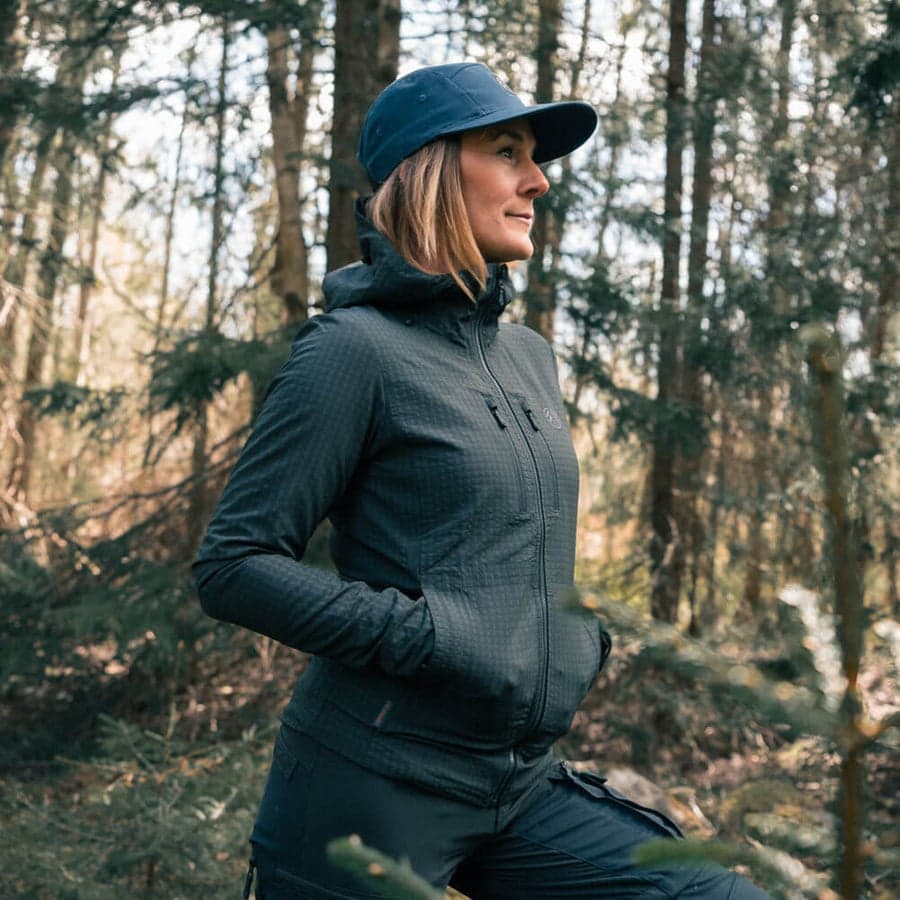
The 3-layer system provides a flexible starting point: a base layer for moisture management, a mid layer for warmth and an outer layer for weather protection. You don’t necessarily need to wear all three at once.
Choose lightweight, breathable clothing that manages moisture. A base layer, hiking pants or shorts and comfortable footwear are a good starting point. Bring sun protection, water and a lightweight extra layer for cooler mornings or evenings.
Start with a moisture-managing base layer, add insulation for warmth and use a protective outer layer against wind and rain. For winter conditions, add appropriate gloves, a warm hat and other seasonal protection.
For a day hike, a spare layer can be useful if weather or temperatures change. For multi-day trips, bring spare socks, underwear and base layers, plus appropriate camp and weather clothing.
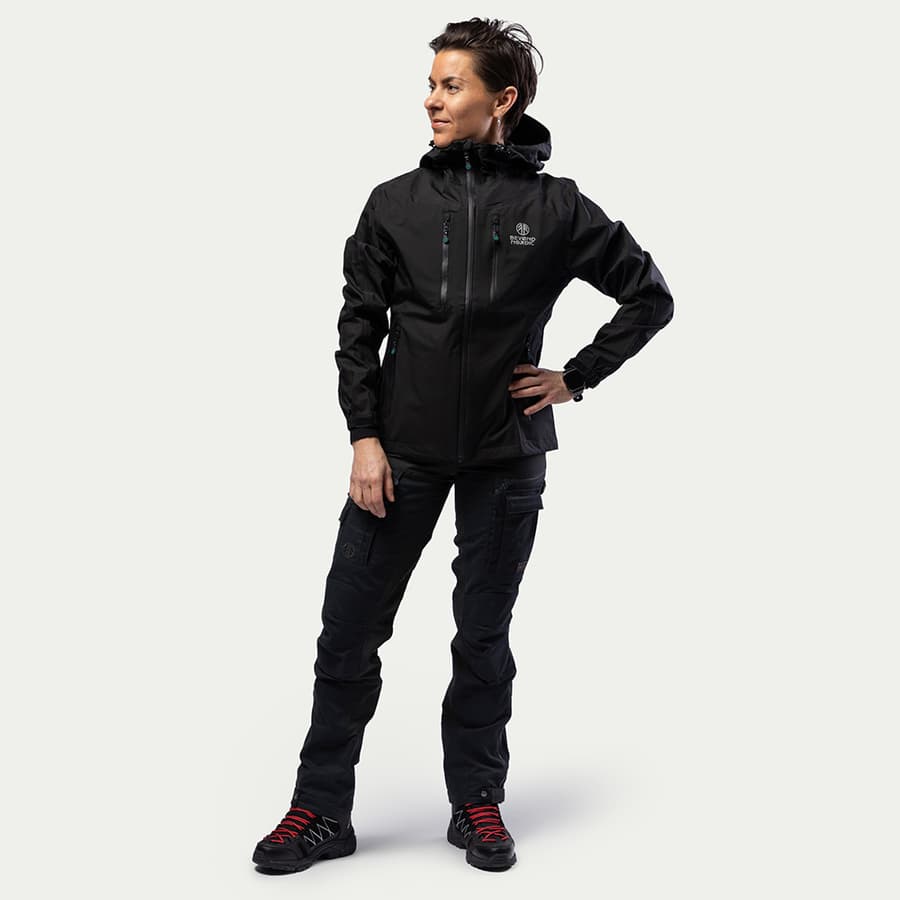
A waterproof shell is recommended when rain or strong wind is possible. Even when the forecast looks good, changing mountain weather can make a lightweight shell worth carrying.
As a general guide, 15–20L works for shorter hikes, 20–30L for full-day hikes, 40–50L for overnight trips and 50–70Lfor longer multi-day adventures. The amount of equipment and season will affect the size you need.
A rain cover can provide additional protection during prolonged rain. For longer trips, combining a rain cover with dry bags or a pack liner gives your clothing and equipment another layer of protection.
For a typical day hike, 1–2 litres is a useful starting point, but your needs depend on temperature, distance, activity level and whether reliable water sources are available.
At minimum, consider water, food, appropriate clothing, navigation, basic first aid, weather protection, a charged phone and a light source. Your requirements will increase with distance, remoteness and changing conditions.
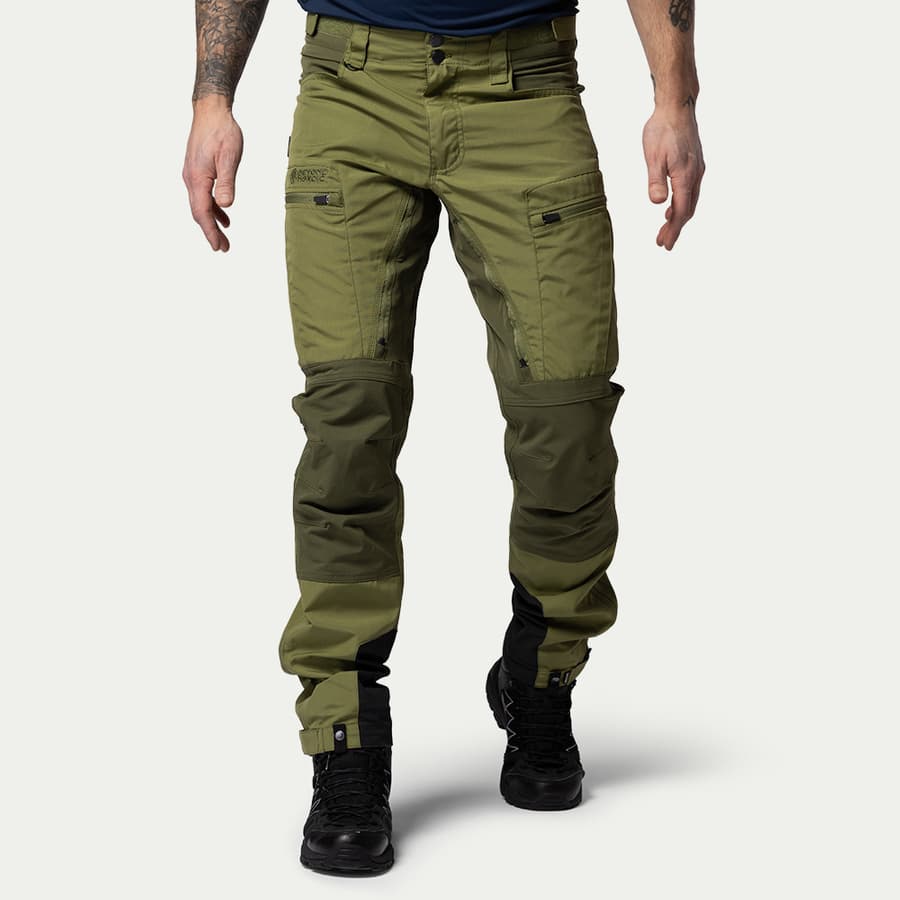
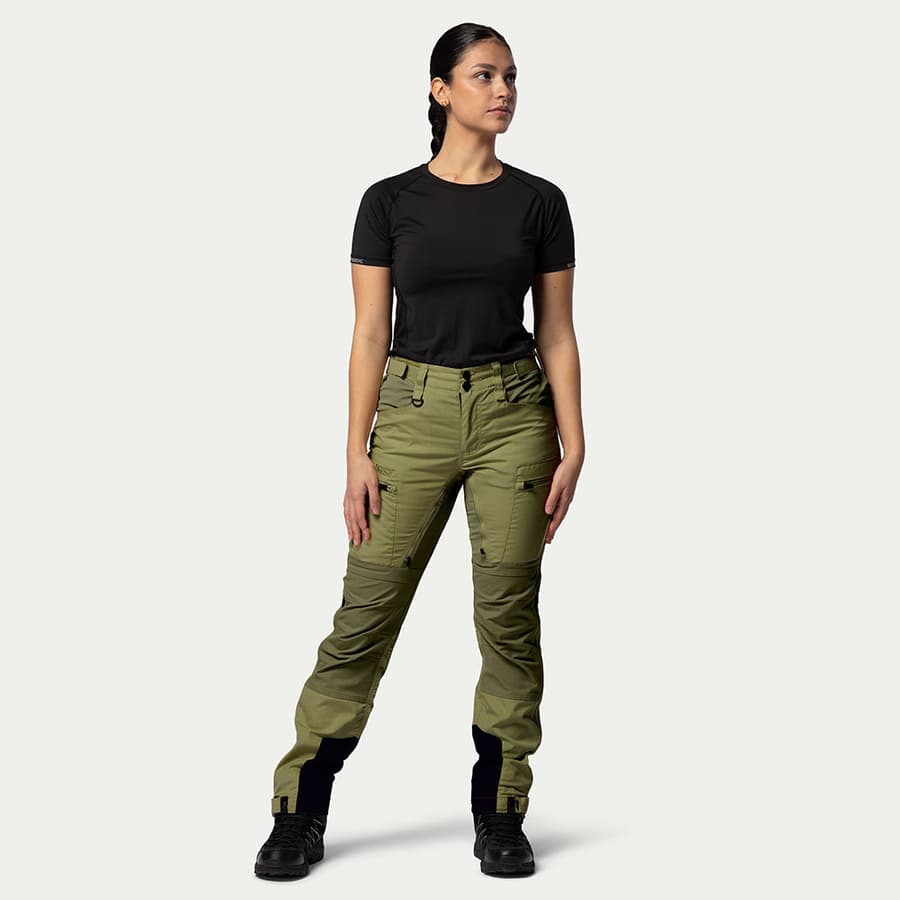
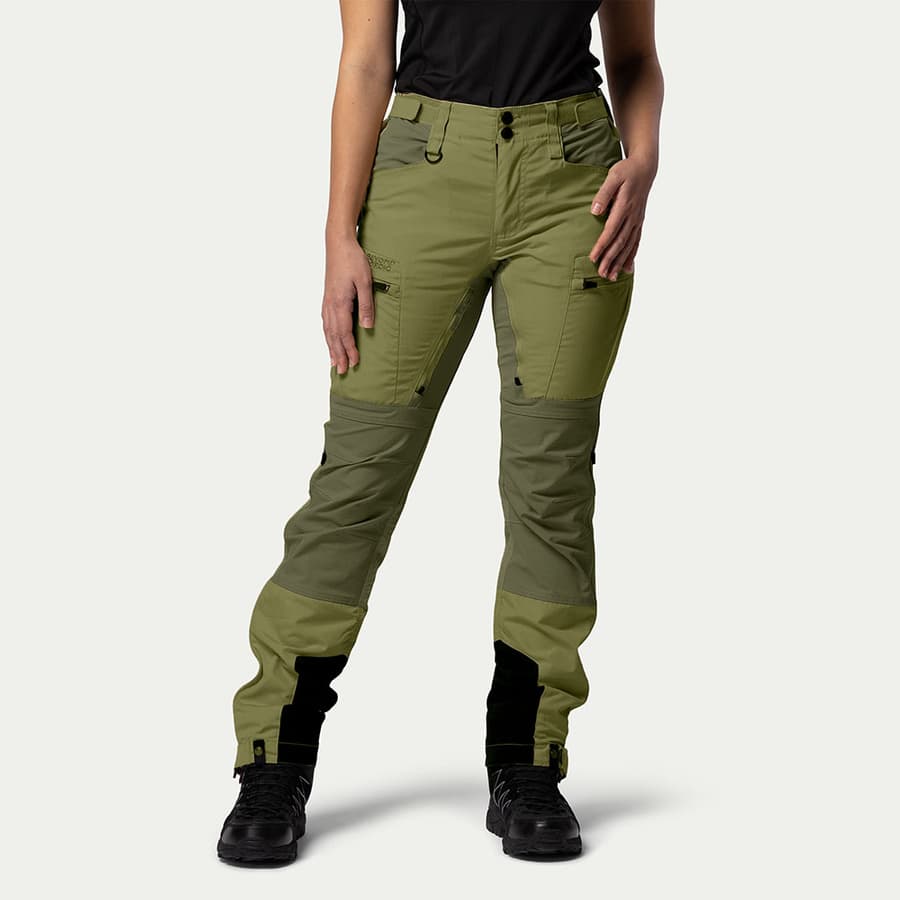
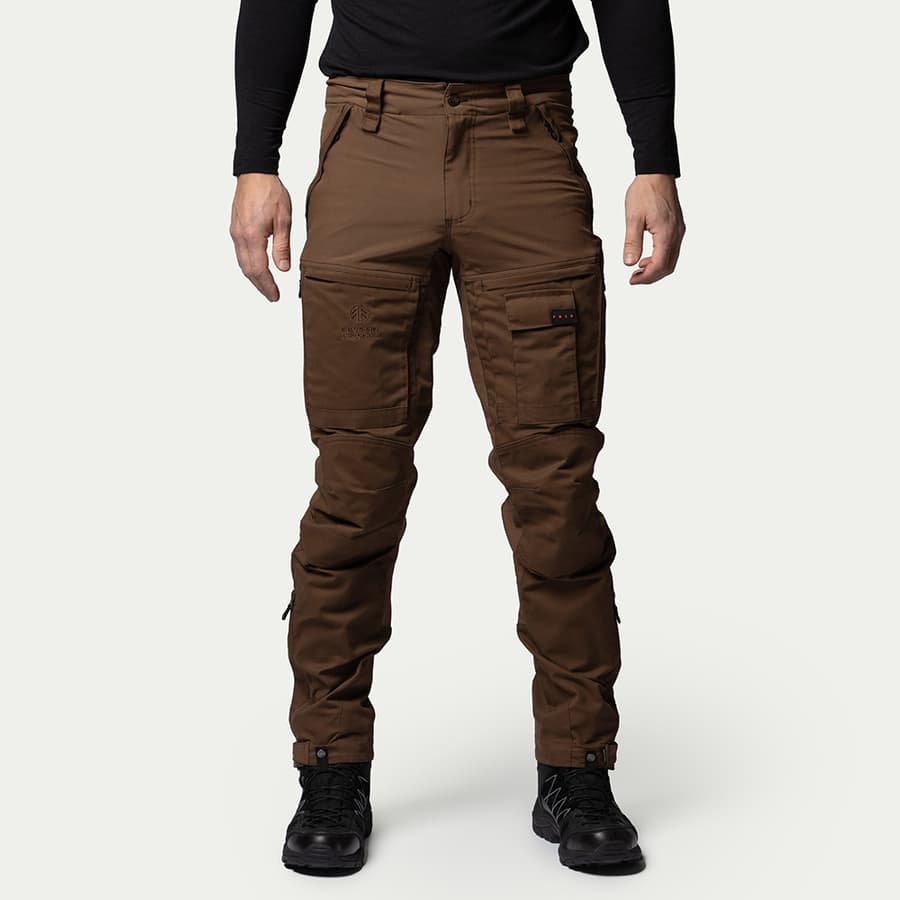
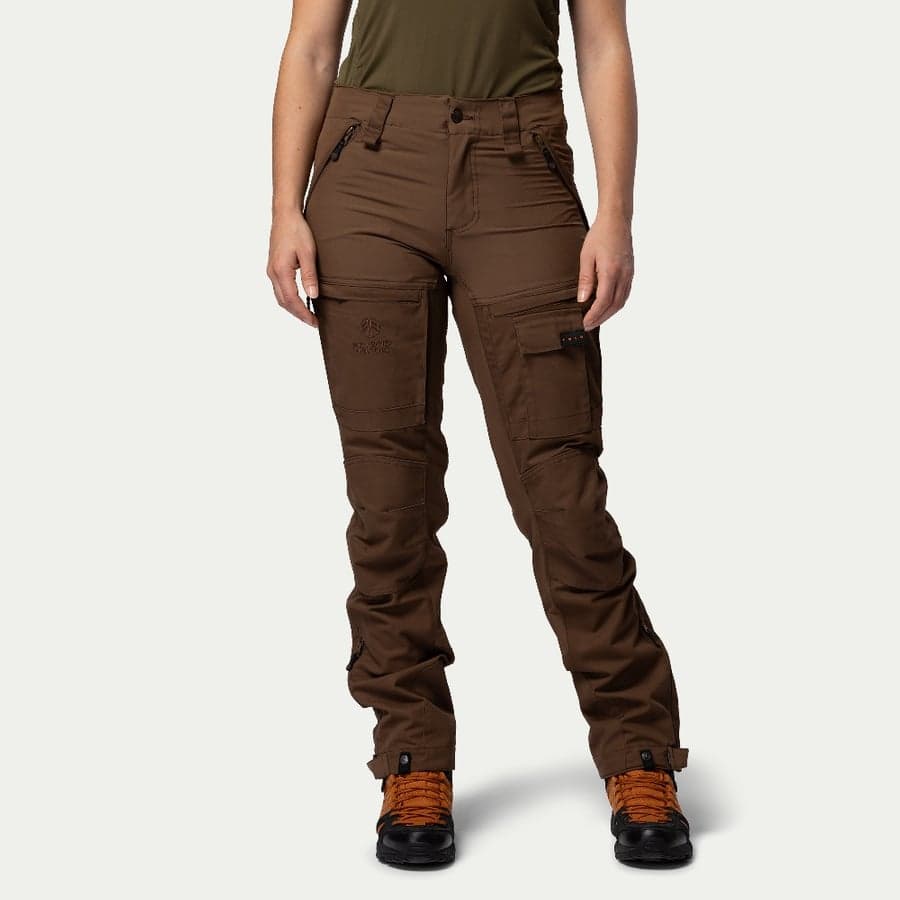
Jeans are generally not ideal for hiking because cotton absorbs moisture and dries slowly. Hiking pants made from lightweight, quick-drying and flexible materials are better suited to changing conditions and active movement.
Not always. Trail shoes can work well on maintained trails and lighter hikes, while hiking boots can provide additional protection and support on rough terrain, steep trails or when carrying heavier loads.
Carry a waterproof shell and an extra insulating layer, even when conditions look favourable. Lightweight accessories such as a beanie and liner gloves take up little space and can be useful when temperatures drop.
Keep heavier items close to your back, balance the load and place frequently used items where they are easy to reach. Keep clothing and sensitive equipment protected in dry bags or a pack liner.
Step 1: Choose your base layer
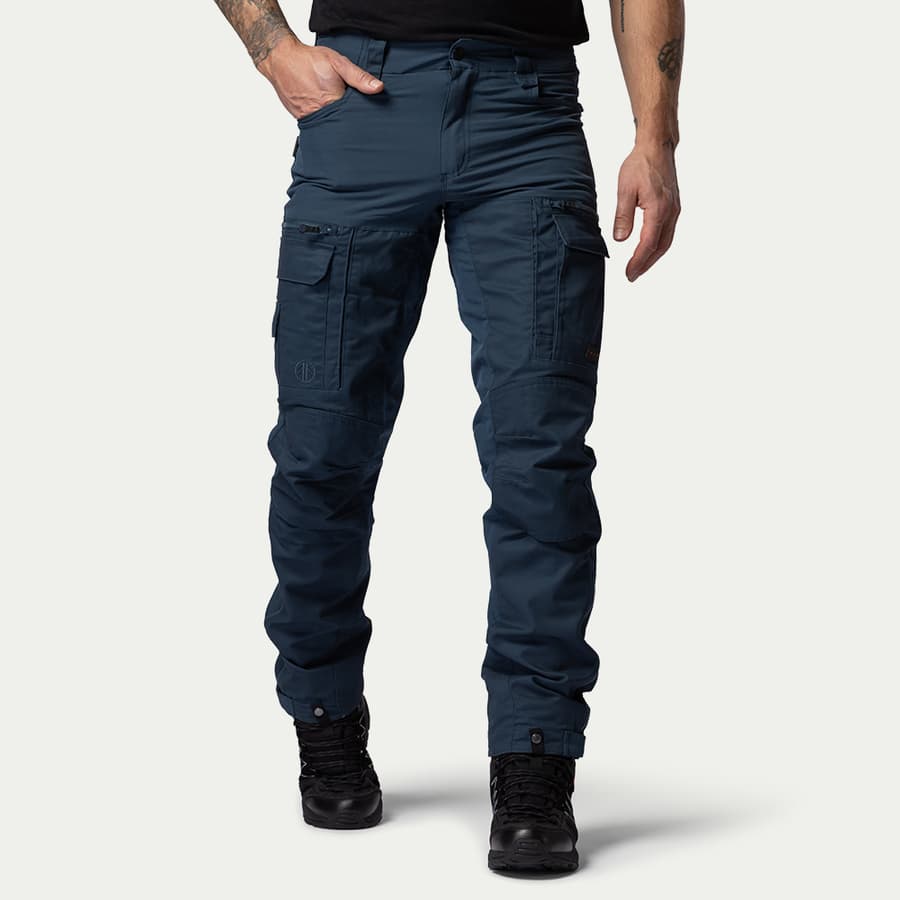
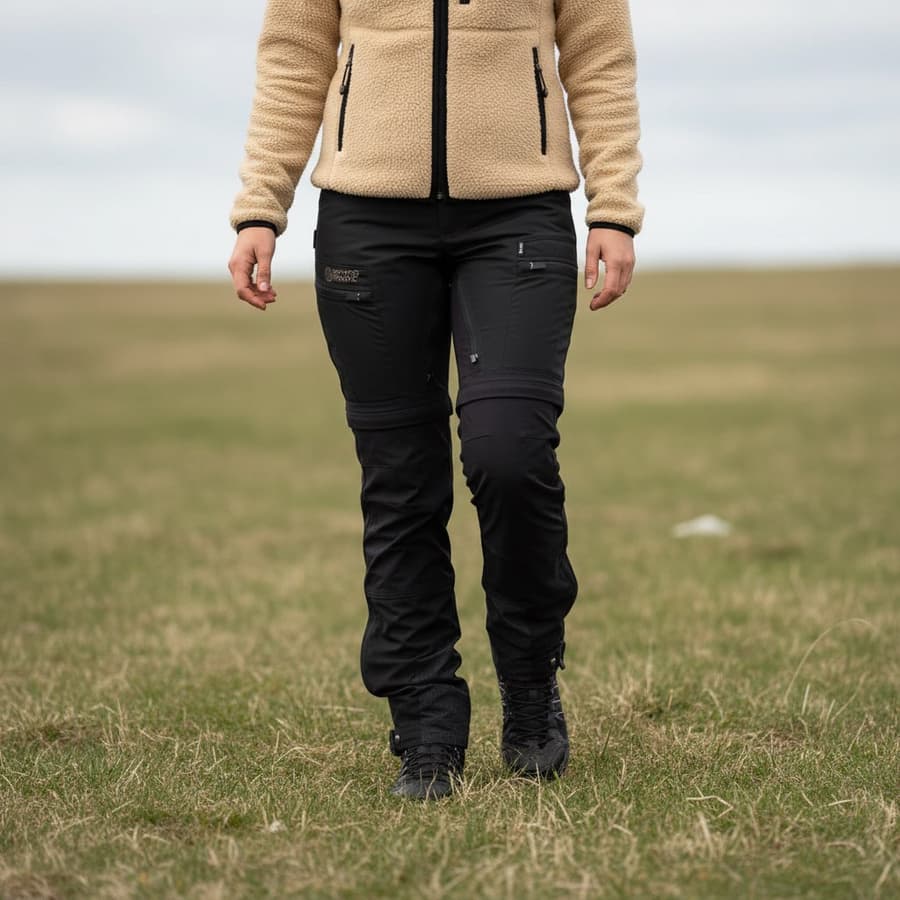
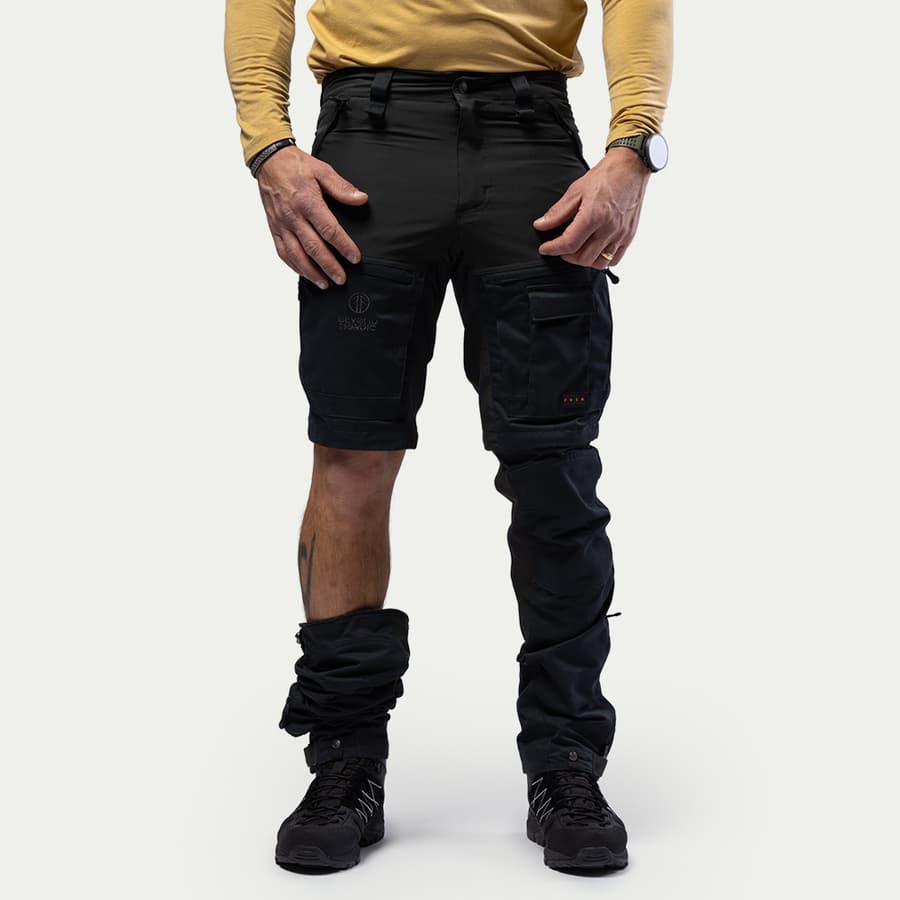
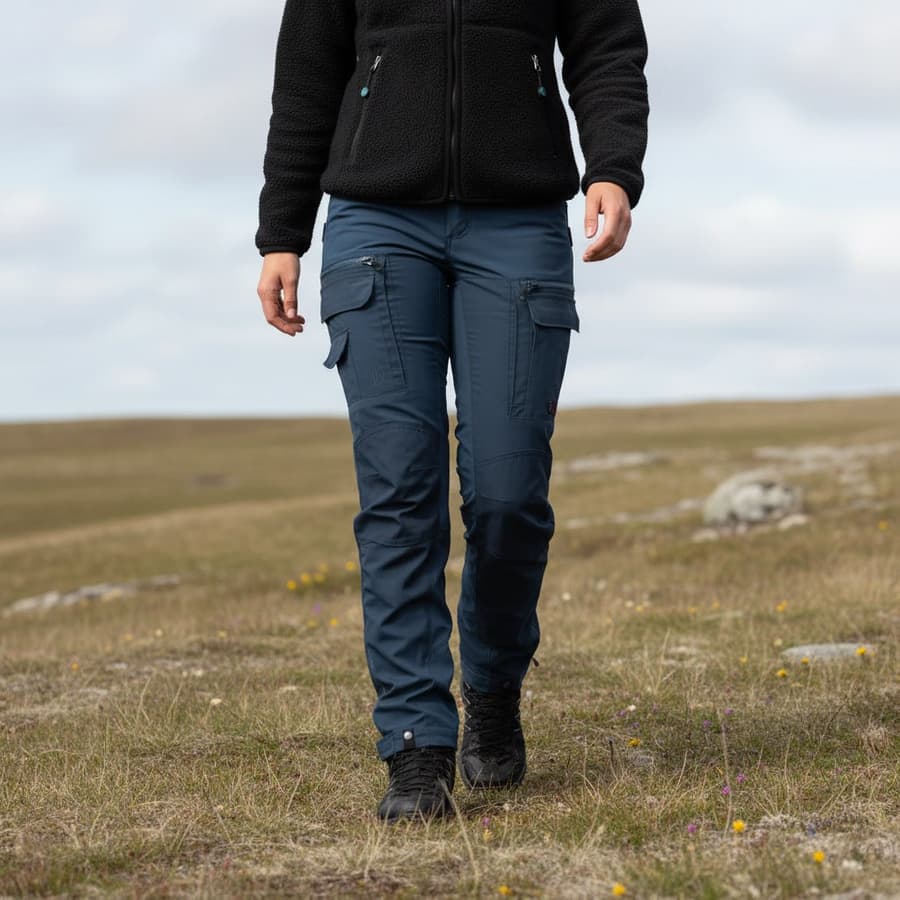
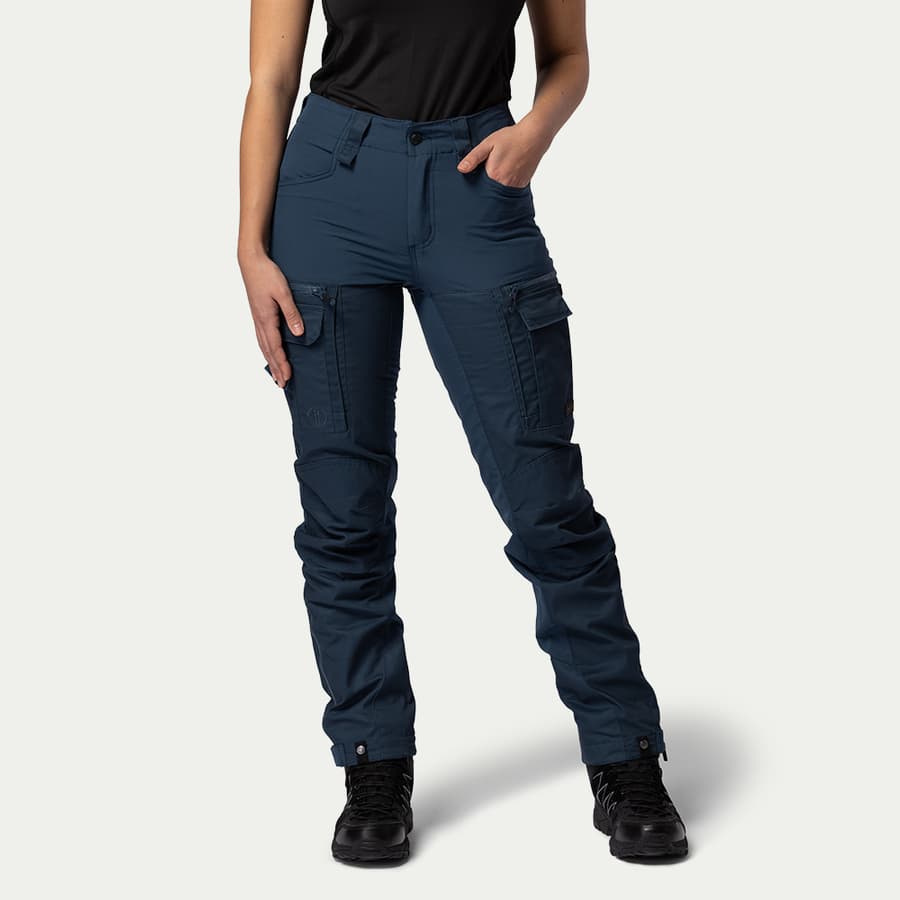
Step 2: Find the right hiking pants
Step 3: Complete your layering system
Step 4: Choose Your Outer Layer
Step 5: Where does it all go?
Sign up for our newsletter and get 10% off your first order*
*Excluding campaigns, bundles and other offers
INFORMATION
CUSTOMER SERVICE
SHOP
© Beyond Nordic


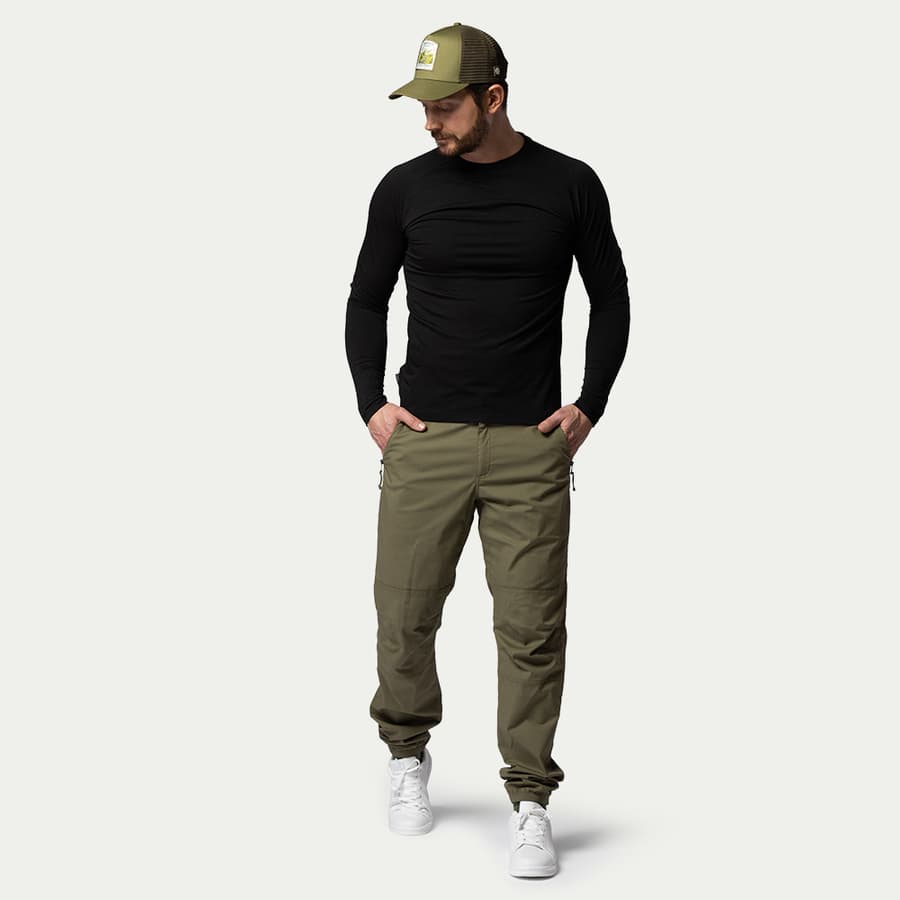
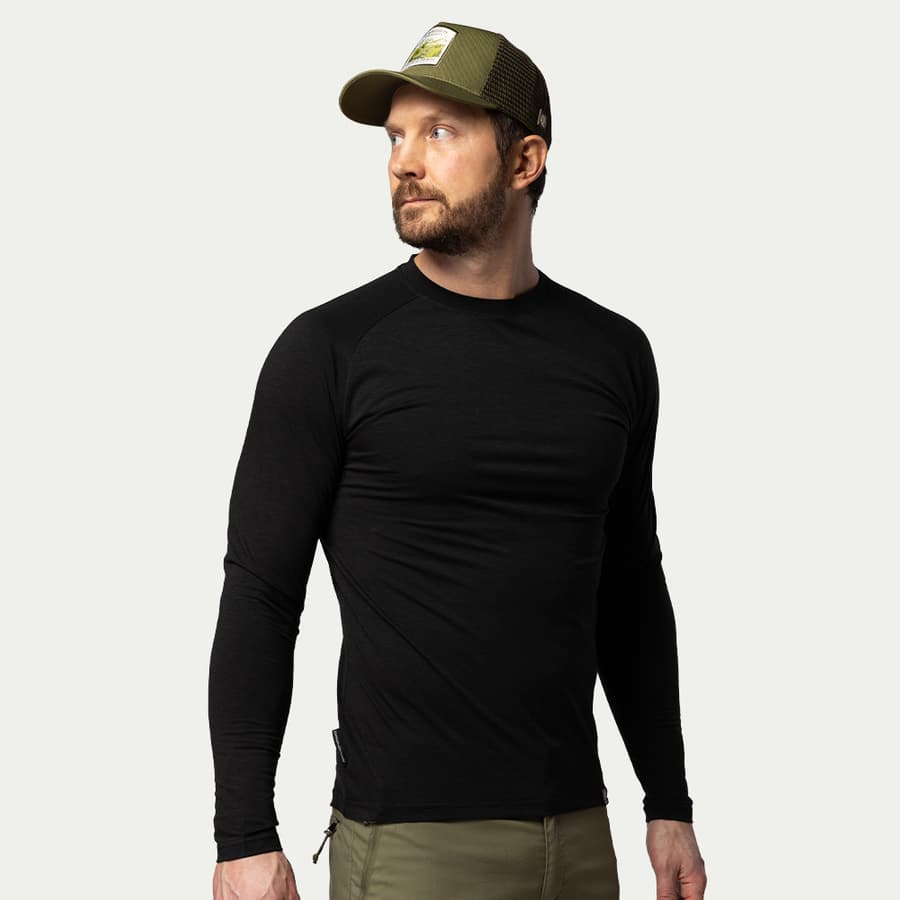
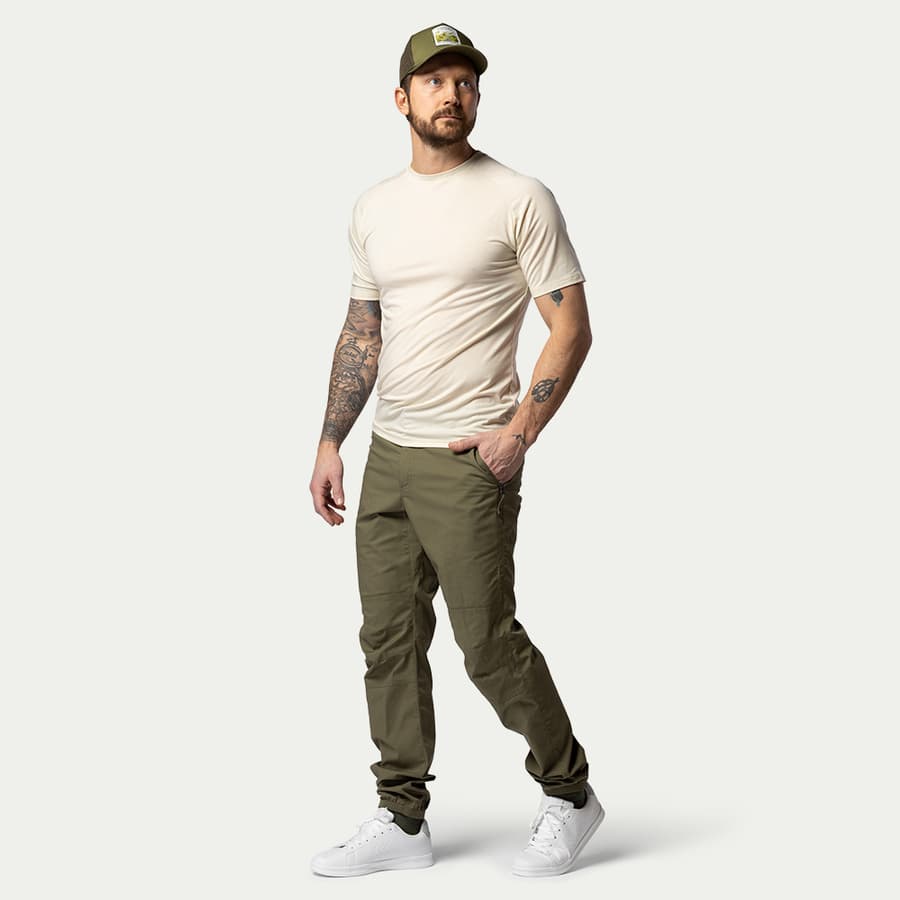
BN219 Light Merino LS Crew Men's


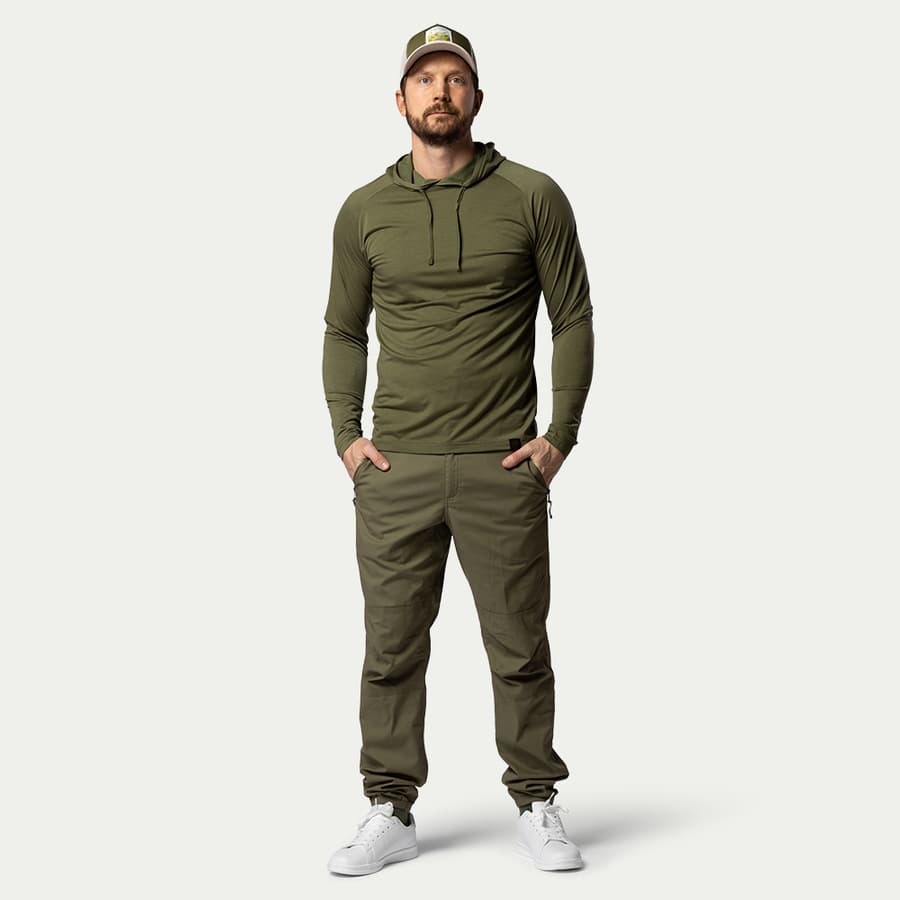
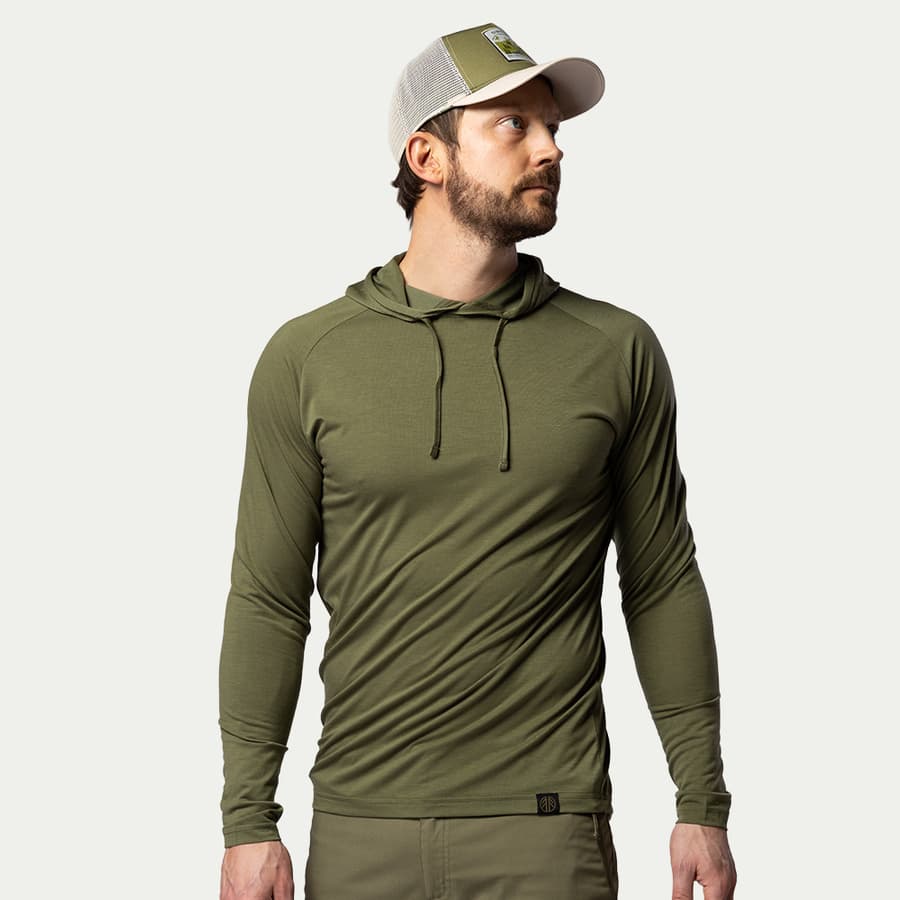
BN213 Light Merino Hoodie Men's


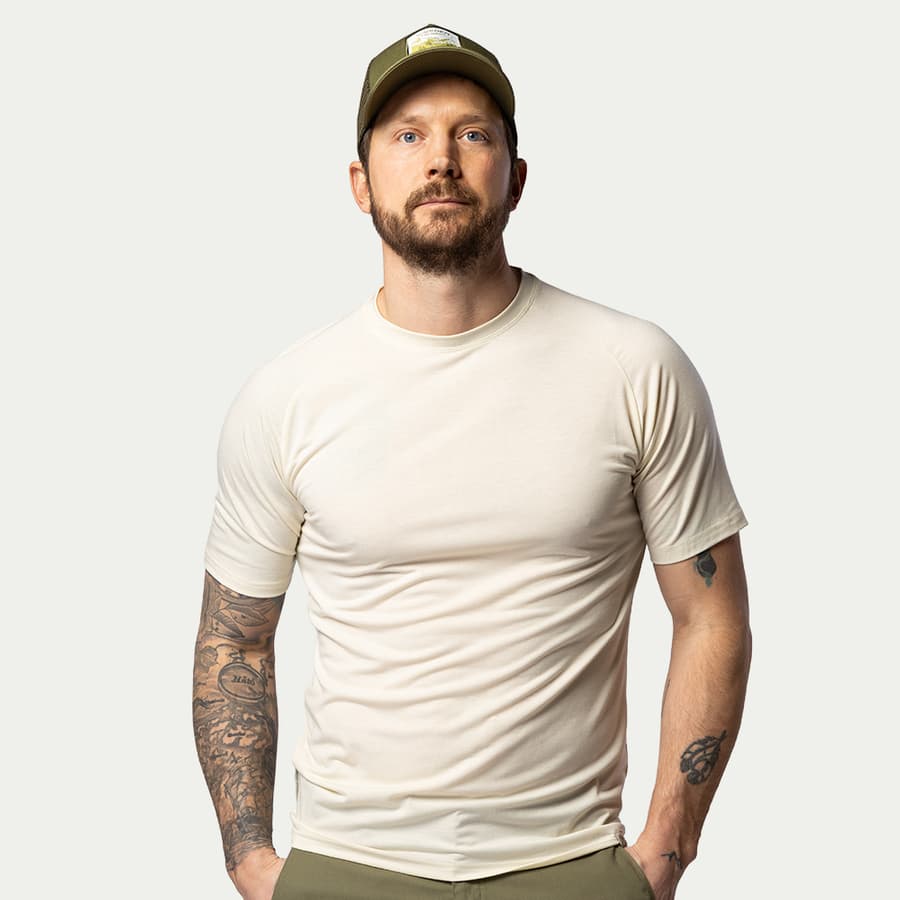
BN205 Performance T-Shirt Men's


BN216 Light Merino T-Shirt Men´s


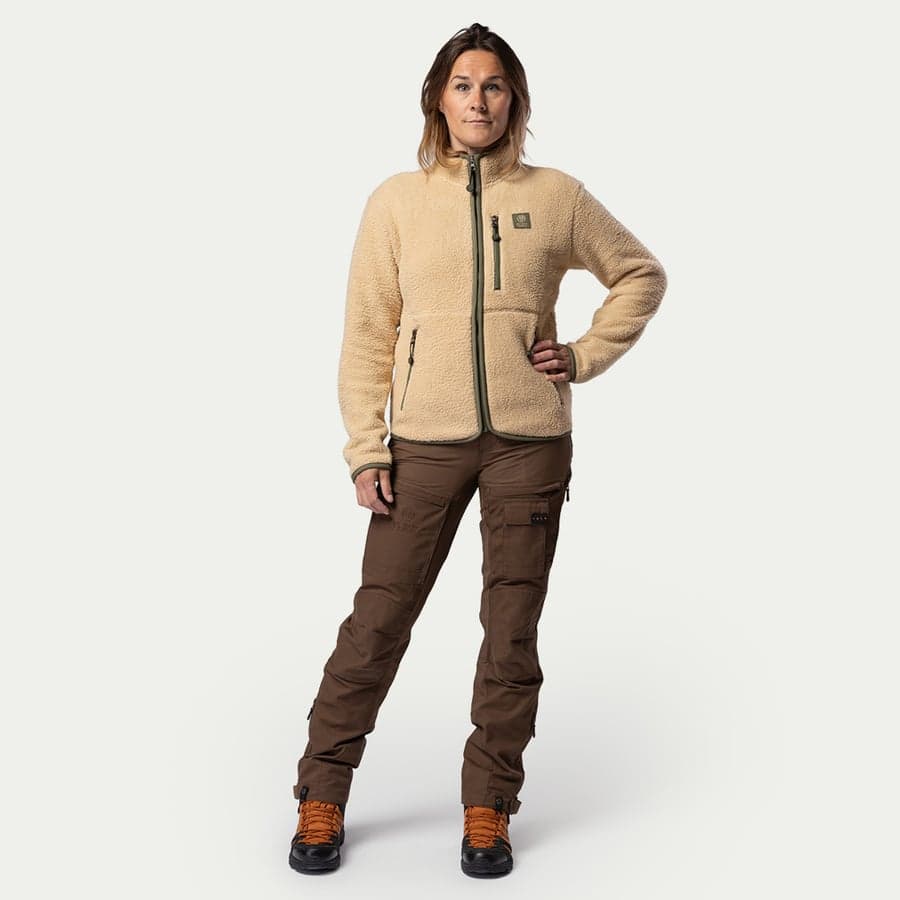
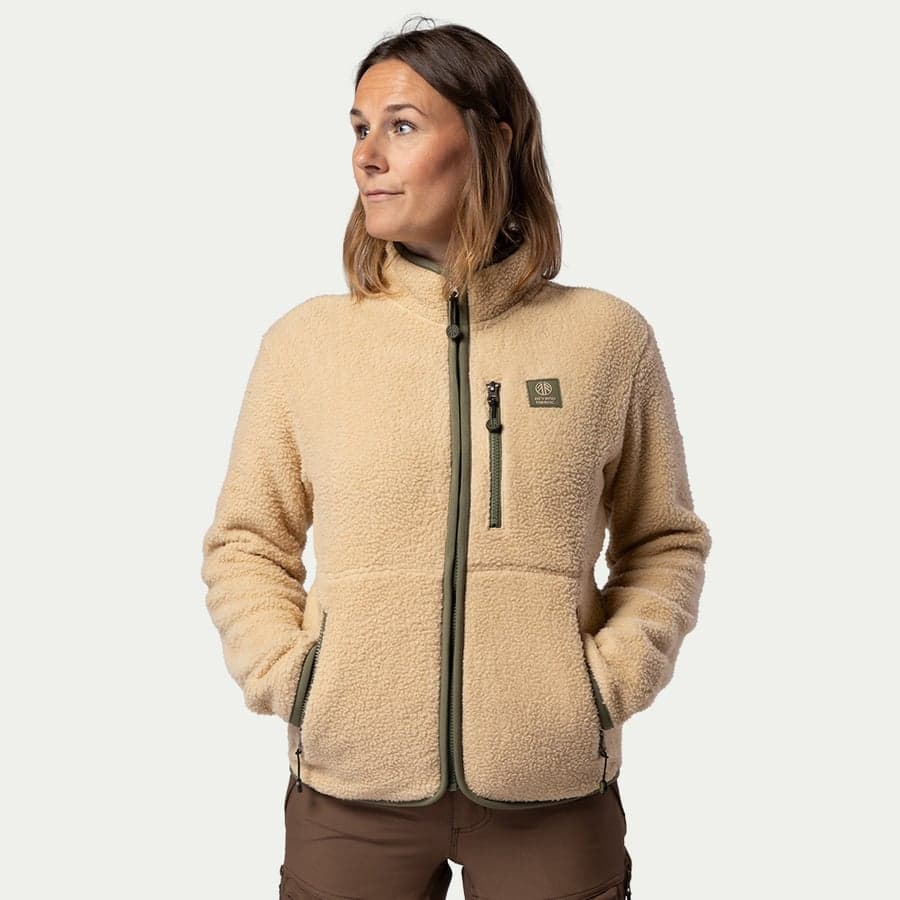
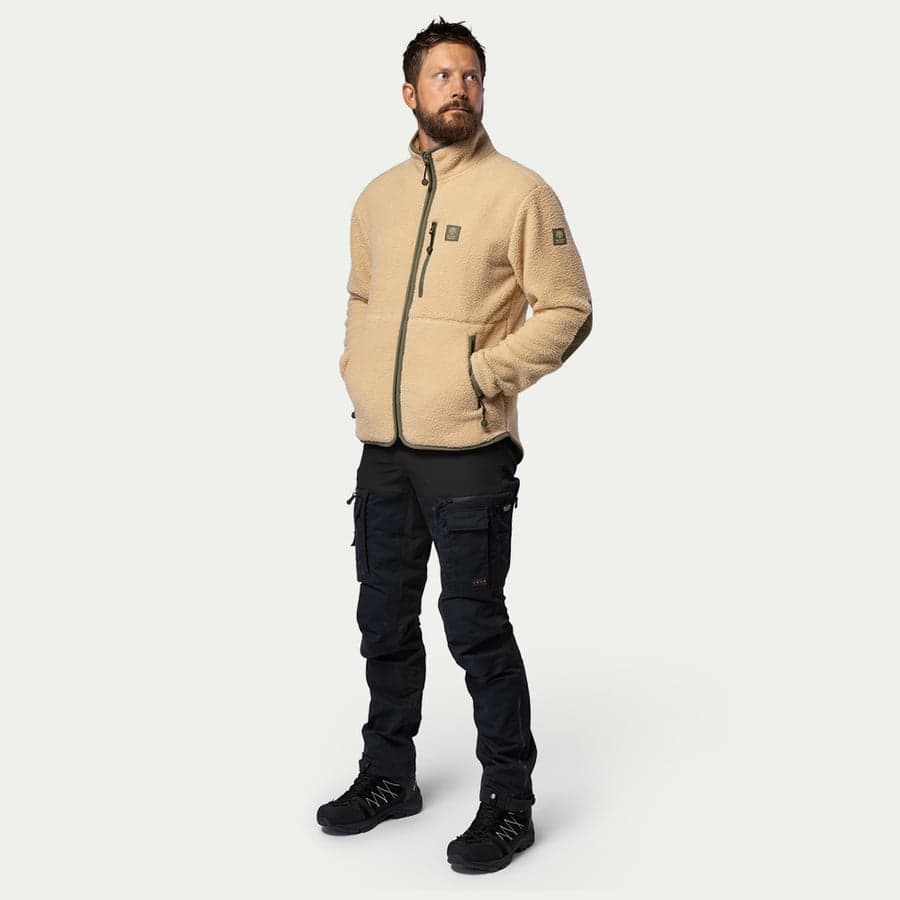
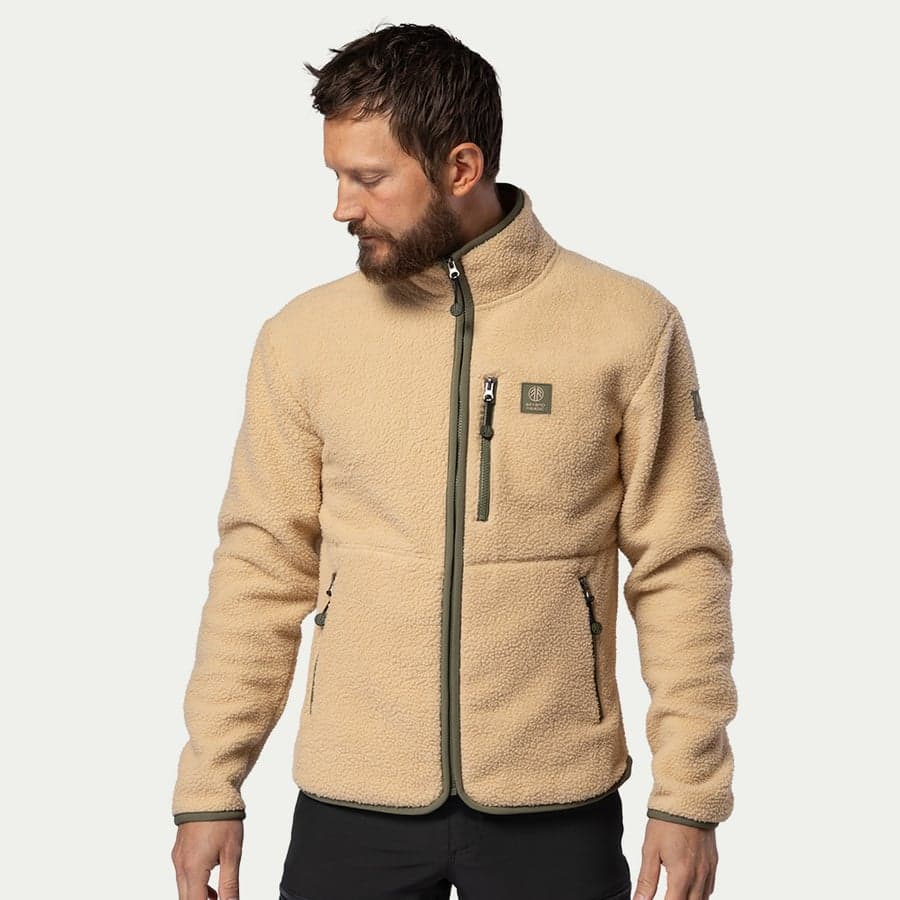
BN308 Retro Pile Jacket Women's
Onyx Black
49.00EUR
Moss Green
59.00EUR
Navy
29.00EUR
Bone White
39.00EUR
Beige Moss


RECYCLED
NEW
RECYCLED
NEW
RECYCLED
NEW
RECYCLED
NEW
RECYCLED
NEW
RECYCLED
NEW
- 40%
- 40%
59.40EUR
99.00EUR


BN005 Zip-Off Outdoor Pants Men's


BN001 v2 Hiking Pants Men's


BN001 v2 Hiking Pants Women's


BN002 v2 Zip-Off Hiking Pants Men's


BN008 Outdoor Pants Women's
Jet Black
Sepia Brown
Sepia Brown
Off Black
Midnight Navy
NEW
- 20%
NEW
- 20%
111.20EUR
139.00EUR
RECYCLED
- 20%
RECYCLED
- 20%
95.20EUR
119.00EUR
RECYCLED
TOPSELLER
- 20%
RECYCLED
TOPSELLER
- 20%
95.20EUR
119.00EUR
RECYCLED
- 20%
RECYCLED
- 20%
103.20EUR
129.00EUR
RECYCLED
NEW
- 20%
RECYCLED
NEW
- 20%
95.20EUR
119.00EUR