0
0
How to Choose the Right Outer Layer for Hiking
Whether you’re hiking in light summer rain or tackling exposed mountain trails, your outer layer is your first line of defense against the elements.
But not all hiking jackets are built the same.
Understanding the differences between shell jackets, softshells and rain jackets—as well as 2-layer and 3-layer construction—can help you choose the right jacket for your adventures.
In this guide, we’ll explain everything you need to know to confidently choose your next hiking jacket.
Using the drop-down menu below, you can explore projects that are already in production as well as concepts that are still on the drawing board. Further down this page, you’ll also find a step-by-step overview of our product development process, how our ideas evolve into finished products ready to be available in our e-store.
Although these jackets may look similar, they’re designed for different conditions.
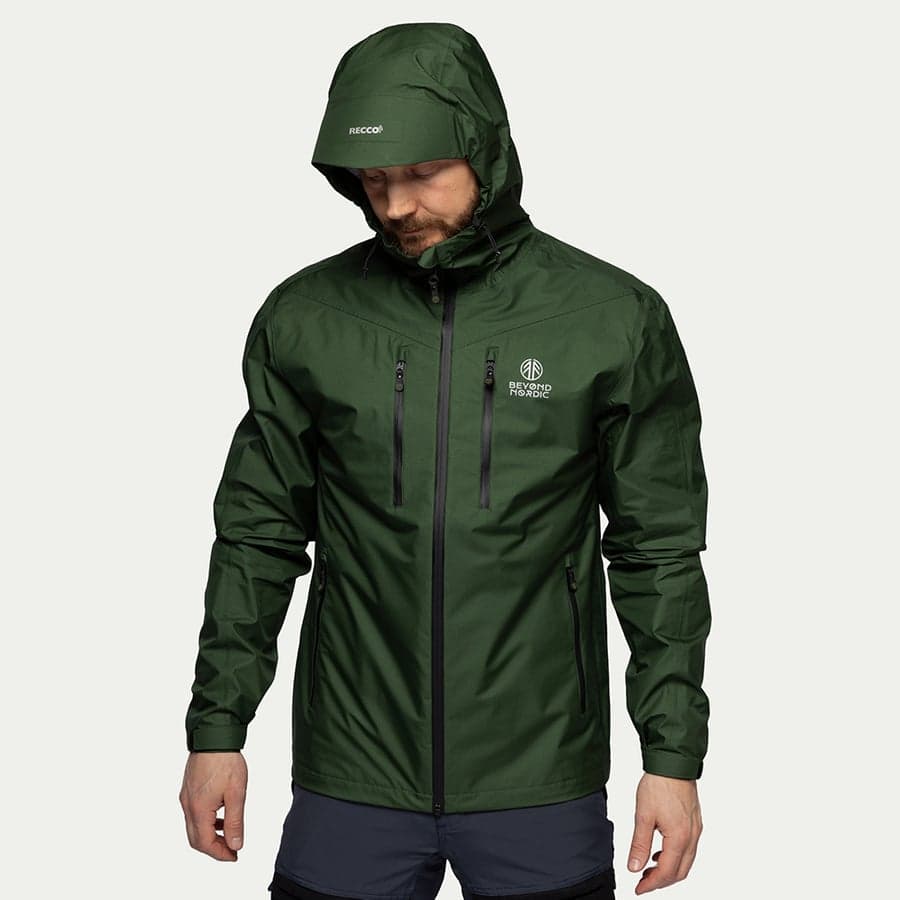
A shell jacket is built to provide maximum weather protection while remaining breathable. Waterproof membranes, taped seams and windproof fabrics make it the most versatile choice for hiking.
Softshell jackets prioritize breathability and comfort over complete weather protection. They stretch more, feel quieter and are often more comfortable during high-output activities. While many softshells repel light rain, they aren’t fully waterproof.
Rain jackets are designed primarily for emergency rain protection. They’re often lightweight and highly packable but may sacrifice durability and breathability compared to dedicated hiking shell jackets. They’re ideal if rain is occasional rather than expected.
Choose a shell jacket if you regularly hike in changing weather and want one jacket that performs in almost every condition.
Choose a softshell if breathability and freedom of movement are more important than full waterproof protection.
Choose a rain jacket if you mainly need something lightweight to pull on during unexpected showers.
When comparing hiking jackets, you’ll often see terms like 2-layer, 2.5-layer and 3-layer.
These don’t describe how warm a jacket is—they describe how the waterproof fabric itself is built.
A 2-layer jacket combines an outer fabric with a waterproof membrane. A separate hanging liner protects the membrane inside the jacket.
Instead of a fabric liner, a 2.5-layer jacket uses a printed protective coating on the inside.
This makes the jacket lighter and easier to pack while keeping costs down.
A 3-layer jacket bonds the outer fabric, waterproof membrane and inner lining into one laminated fabric.
This creates the most durable and breathable construction, making it the preferred choice for demanding hiking conditions.
These terms are often confused, but they describe two very different levels of protection.
- A water-resistant jacket can repel light rain for a short period but will eventually allow water to penetrate the fabric.
- A waterproof jacket uses a waterproof membrane combined with sealed seams to keep rain from entering, even during prolonged exposure.
For hiking, especially in unpredictable weather, a waterproof shell offers significantly more reliable protection.
When choosing a hiking shell, look for features that improve comfort and performance on the trail.
These features help your jacket perform better during changing weather without adding unnecessary bulk.
A hiking shell should fit comfortably over your base and mid layers without restricting movement.
- If it’s too tight, you’ll compress your insulating layers and reduce their effectiveness.
- If it’s too loose, it may flap in strong winds and feel less comfortable.
Aim for a fit that leaves enough room for layering while still allowing unrestricted movement of your shoulders and arms.
Most hiking shell jackets are fully waterproof and windproof, thanks to waterproof membranes and sealed seams.
Not necessarily. A 3-layer jacket is generally more durable and breathable, making it ideal for frequent hiking. A 2-layer jacket can be a great choice for everyday outdoor use.
Yes. A shell jacket isn’t designed to provide warmth—it provides weather protection. During summer, it’s typically worn over a lightweight base layer when rain or wind arrives.
Shell jackets are built for long days outdoors, balancing waterproofing, durability and breathability. Rain jackets are often lighter and more packable but may not offer the same long-term comfort or performance on demanding hikes?
TOMAS PERSONAL FAVORITES
Ready to complete your layering system?
Explore our collection of hiking shell jackets, designed to keep you protected in changing weather without compromising comfort or breathability.
Sign up for our newsletter and get 10% off your first order*
*Excluding campaigns, bundles and other offers
INFORMATION
CUSTOMER SERVICE
SHOP
© Beyond Nordic


BN301 v2 3L Lightweight Shell Jacket Men's


BN106 Tech Fleece Hoodie Men's


BN105 Merino Half Zip Hoodie Men's


BN213 Light Merino Hoodie Men's


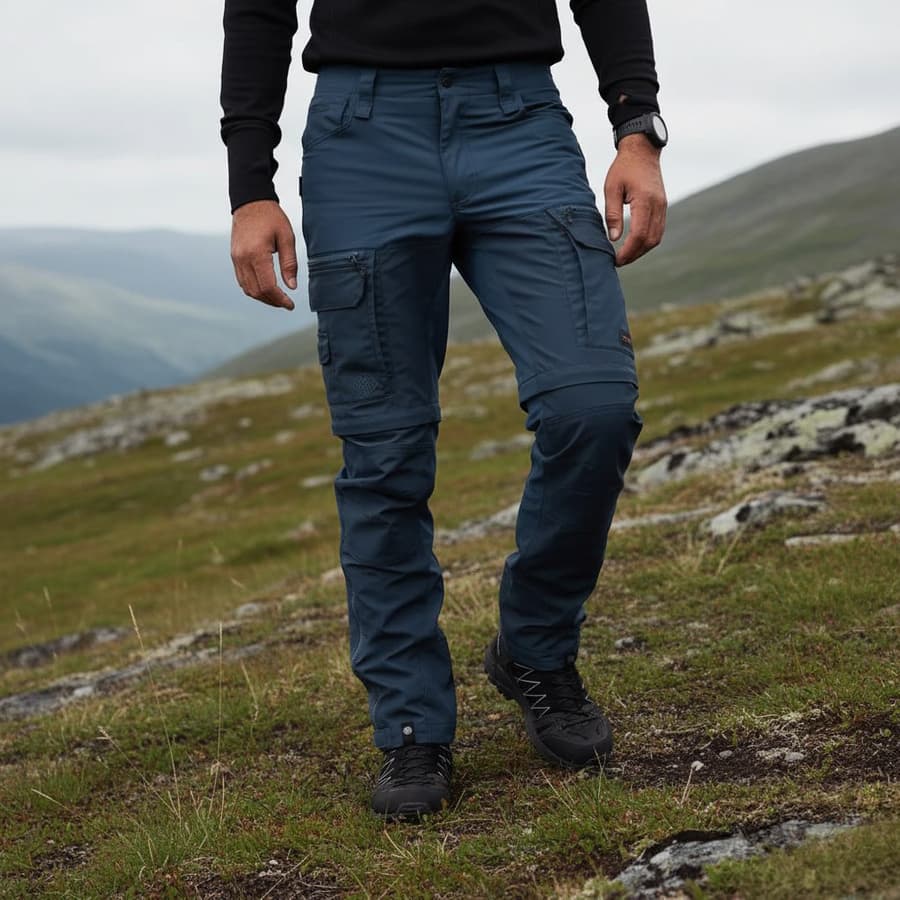
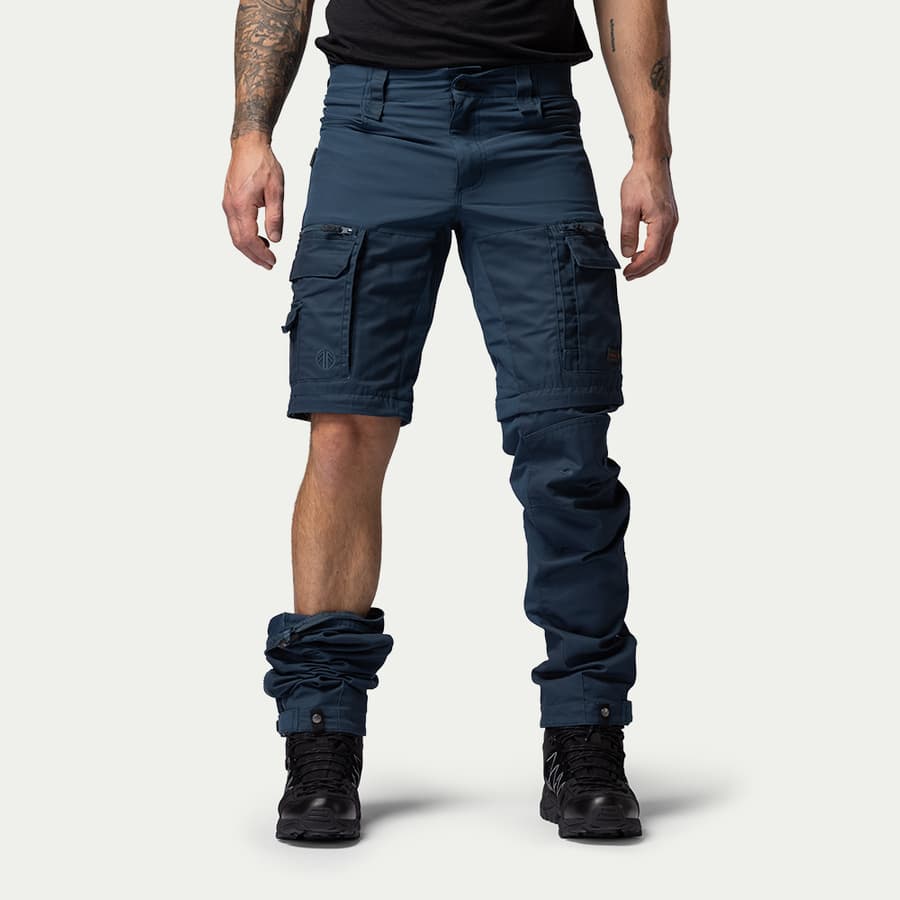
BN008 Outdoor Pants Men's
Pine Grove
199.00USD
Off Black
109.00USD
Grey
89.00USD
Onyx Black
69.00USD
Moss Green


RECYCLED
TOPSELLER
RECYCLED
TOPSELLER
RECYCLED
RECYCLED
RECYCLED
RECYCLED
RECYCLED
TOPSELLER
- 20%
RECYCLED
TOPSELLER
- 20%
103.20USD
129.00USD