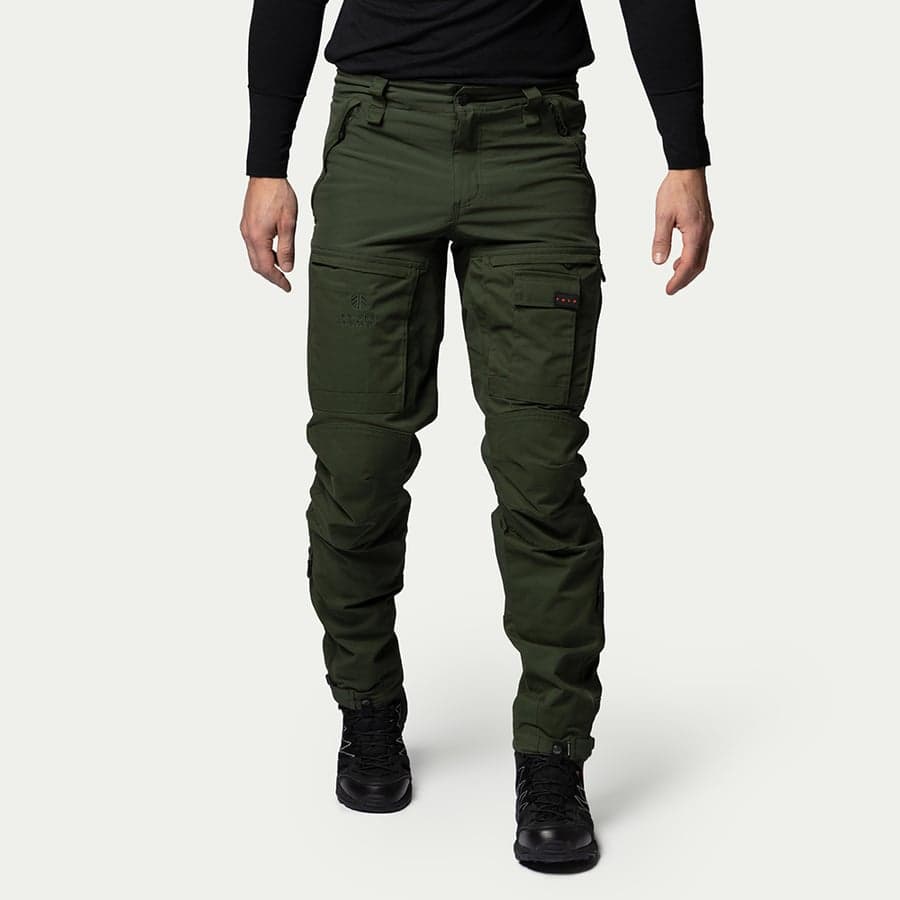
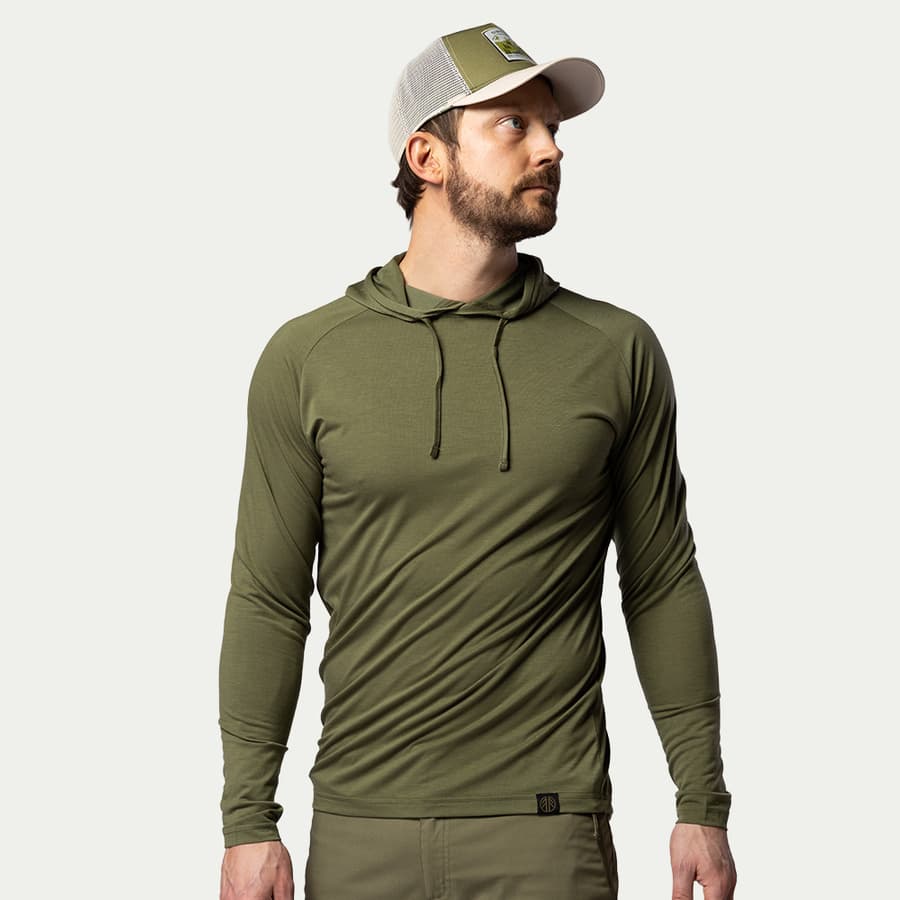
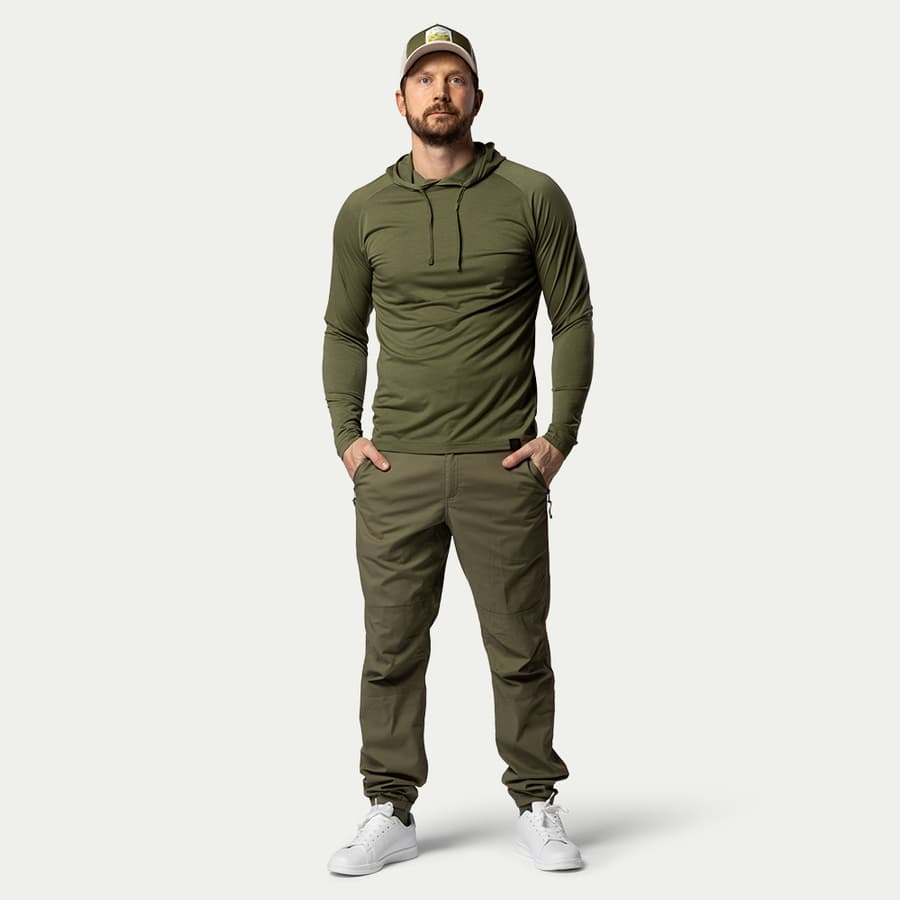
Weather can change quickly on a hike. The right clothing helps you stay prepared and safe while adapting to changing conditions.
In this guide, we’ll cover how to choose, layer and adjust your clothing — and what to consider so you’re prepared for both expected and unexpected conditions along the way.
A good layering system helps you regulate your body temperature and adapt to changing weather and activity levels.
Base layer:
Worn next to the skin to manage moisture and help keep you comfortable.
Mid-layer:
Provides insulation to retain body heat when temperatures drop.
Outer layer:
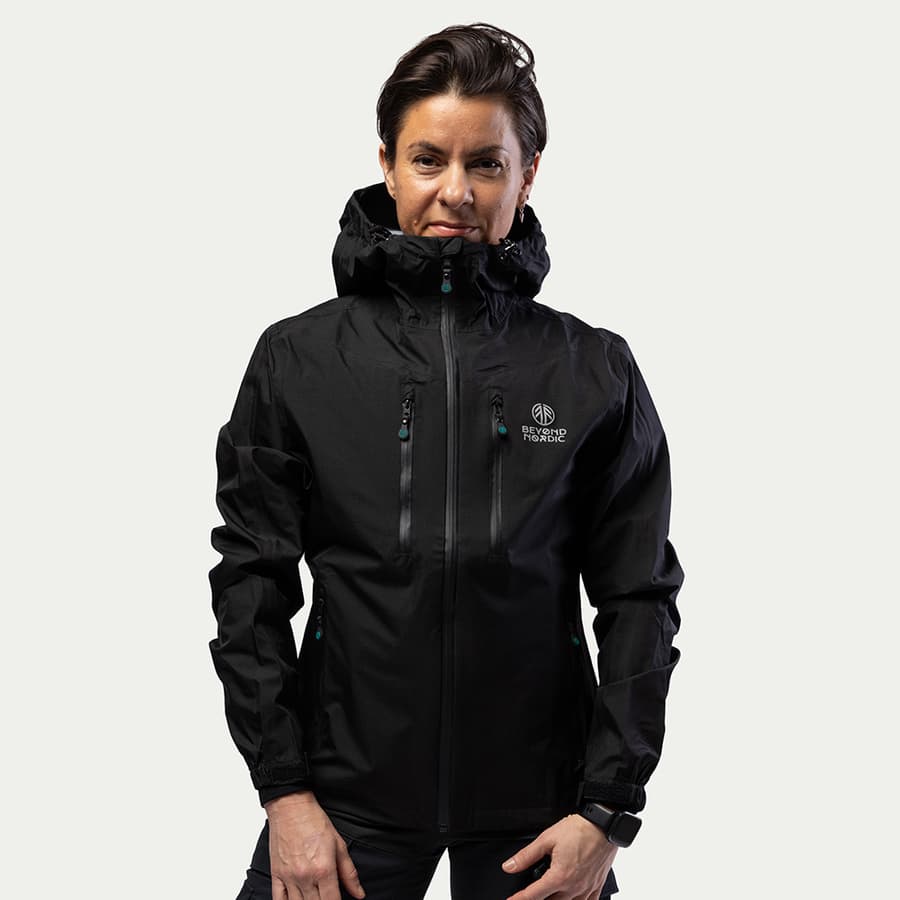
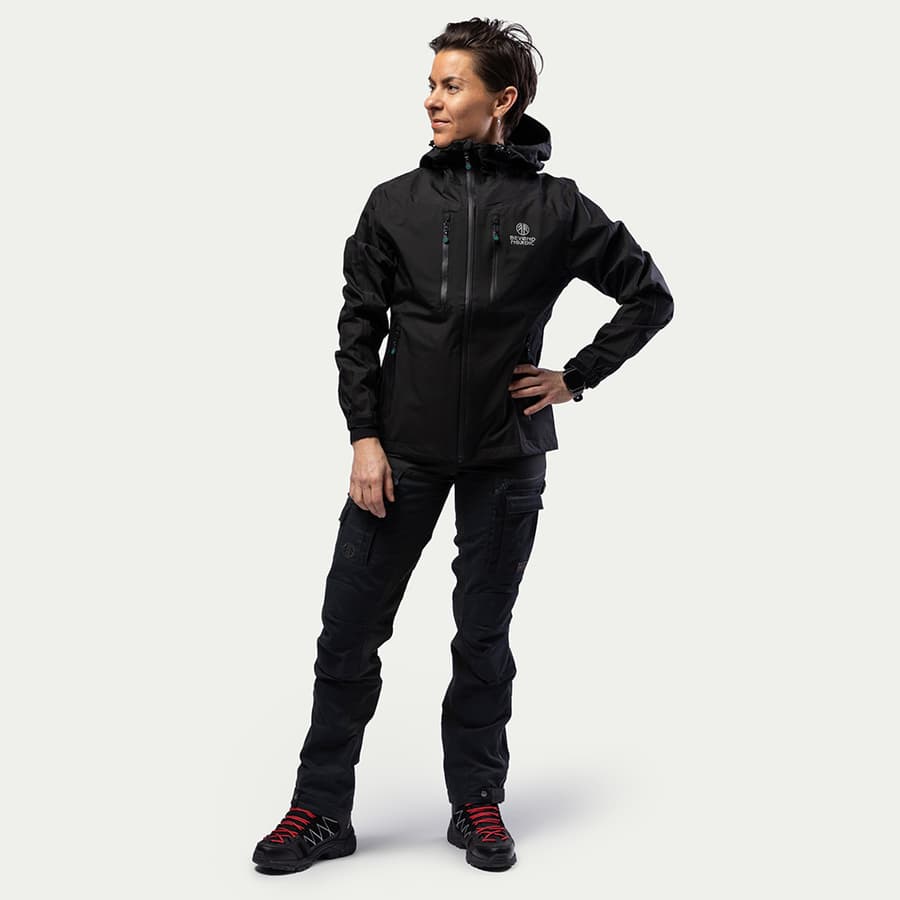
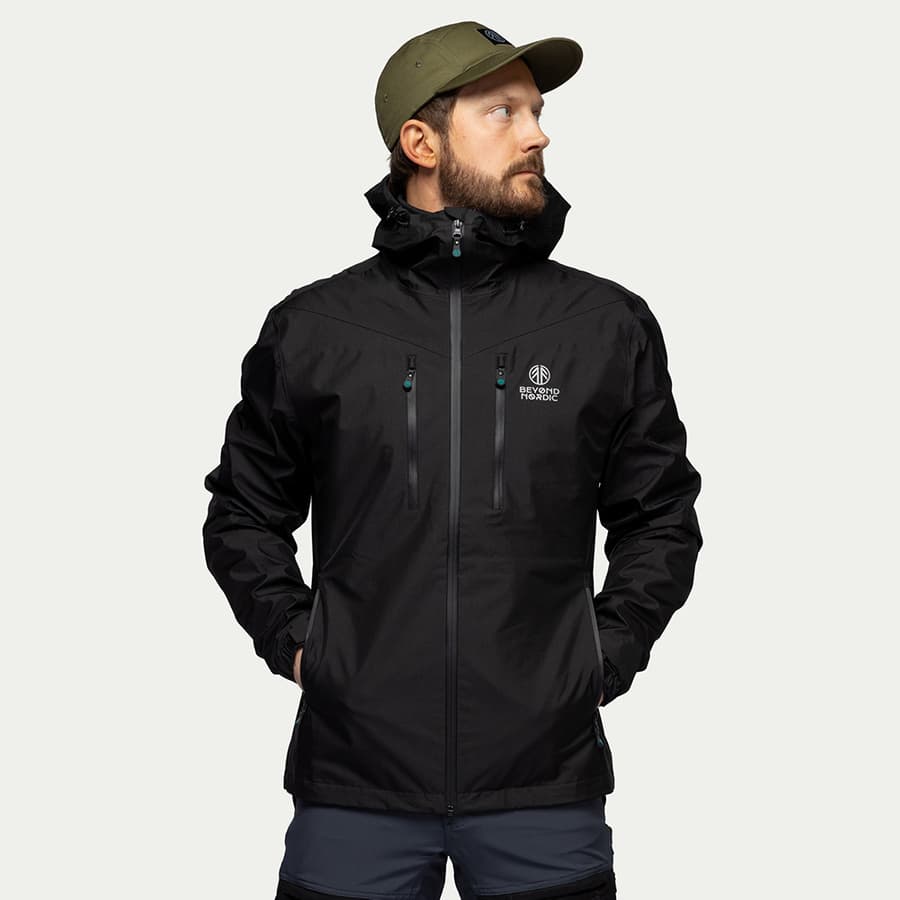
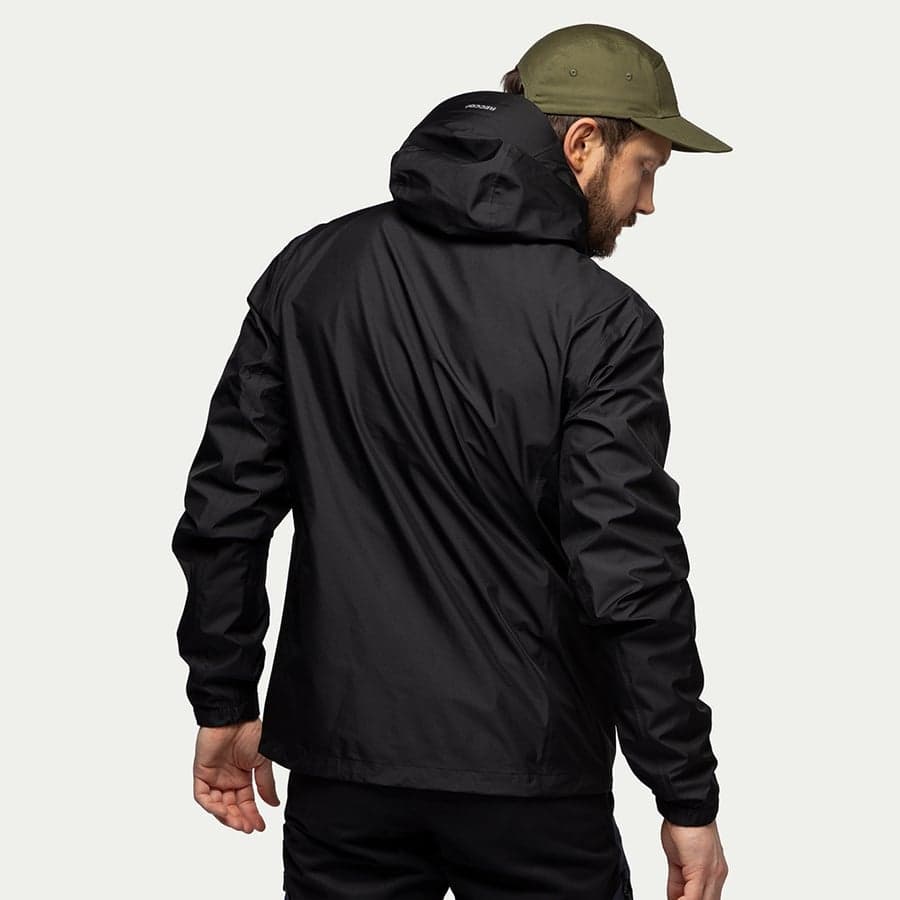
Protects against wind and precipitation, helping shield you from the elements.
You don’t need to wear all three layers at once. Think of them as a flexible system
— wear what you need and carry additional layers so you can adapt as conditions change.
The following sections cover clothing recommendations and practical tips for warm, cool, windy, rainy and cold conditions.
Warm-weather hiking calls for lightweight, breathable clothing that manages perspiration and protects you from the sun. Choose comfortable clothing that allows you to move freely while keeping you cool.
Manage heat and perspiration
Use breathable clothing and ventilation to release excess heat. Slow down or rest in the shade if you begin to feel overheated.
Protect yourself from the sun
Seek shade when possible, especially during the hottest part of the day, and reapply sunscreen as directed.
Stay hydrated
Carry enough water for your route, temperature and activity level. Plan refill points where available.
Prepare for changing conditions
Bring an extra layer for cooler evenings, higher elevations, exposed trails or unexpected weather changes.
Explore our Hiking Pants Guide and Choosing the Right Base Layer guide to find clothing suited to warm-weather hiking.
Cool weather can be deceptive: you may feel warm while climbing but cold when slowing down or stopping. Layer up with a moisture-wicking base, an insulating mid layer, and an outer layer suited to the wind and rain.
Start with manageable layers
You’ll warm up as you move, so avoid wearing too much insulation at the start.
Manage perspiration
Open ventilation zippers or remove a layer before you start sweating excessively. Damp clothing can leave you feeling cold when you slow down.
Prepare for rest stops
Keep an insulating layer accessible and put it on when you stop to help retain warmth.
Adapt to changing temperatures
Cool mornings and mild afternoons may require different combinations of layers.
Choose the right outer layer
A wind-resistant jacket suits dry conditions, while a waterproof shell protects against rain.
Learn more in our Layering System and Mid-layer Guide
Wind can make comfortable temperatures feel much colder, particularly on exposed ridges, open landscapes and mountain trails.
Prioritise protection on exposed terrain
You may feel comfortable in sheltered woodland but need extra protection on open ridges.
Adjust your layers as needed
Add wind protection before reaching exposed areas, but avoid excessive insulation that can cause overheating during climbs.
Protect exposed skin
Gloves and a beanie help retain warmth when wind chill makes conditions uncomfortable.
Secure loose clothing
Well-fitted garments and adjustable cuffs help reduce flapping and improve comfort in strong winds.
Consider wind severity âš
Strong gusts can affect balance and make exposed routes dangerous. Check local forecasts and reconsider your route if conditions are unsuitable.
Explore our Outer Layer Guide to understand the differences between wind-resistant, water-resistant and waterproof protection.
Rain presents two challenges: keeping precipitation out and managing perspiration inside your clothing. The right combination of waterproof protection, breathable layers and good preparation helps you stay comfortable, even when conditions change.
Put on your shell early
Wear your waterproof jacket before rain soaks your clothing underneath.
Manage ventilation
Open ventilation zippers or adjust your layers to reduce perspiration when you start to overheat.
Keep spare clothing dry
A backpack and its rain cover may not be fully waterproof, so protect essential spare layers in a dry bag.
Know the difference
A water-repellent finish helps shed light rain, but a waterproof jacket provides better protection in prolonged or heavy rain.
Watch the temperature âš
Wet clothing combined with cold and wind can cause dangerous heat loss. If you cannot stay warm or conditions deteriorate, shorten or end the hike.
Explore our Outer Layer Guide to learn more about waterproof protection, breathability and choosing the right shell for wet conditions.
Cold-weather hiking requires a balance of insulation, moisture management and weather protection. Choose adjustable layers to stay warm without overheating as your activity level changes.
Adjust your layers
Remove insulation during strenuous climbs and add it back before you become cold.
Keep spare clothing dry
Store additional insulation and spare gloves in a dry bag inside your backpack.
Prepare for changing conditions
Consider wind, precipitation, terrain and hike duration. Carry enough clothing to handle conditions worse than expected, regardless of the forecast.
Protect your extremities âš
Keep hands, feet, ears and face covered. Replace wet gloves and socks immediately to prevent cold-related injuries.
Recognise when to turn back âš
Persistent shivering, numbness, confusion or loss of coordination can indicate serious cold-related illness. Seek shelter and help promptly if these occur.
Explore our Mid-layer Guide and Outer Layer Guide to learn more about insulation and weather protection.
Choosing what to wear hiking depends on more than temperature. Consider the weather, activity level, terrain, duration and your personal comfort.
Check the forecast before you leave, including temperature, rain or snow and how conditions may change throughout the day. A warm, dry start does not always mean those conditions will last, so bring suitable insulation or weather protection when needed.
Your activity level has a major impact on how warm you feel. Steep climbs and faster-paced hiking generate more body heat and perspiration, while slower sections and rest stops can cool you down quickly. Choose breathable layers that can be easily added, removed or ventilated as your activity changes.
Consider the terrain and how exposed your route will be. Open ridges and higher elevations can bring stronger winds and cooler temperatures, while forests and valleys may offer more shelter. Prepare for the most exposed conditions you expect to encounter, not just the conditions at the trailhead.
The longer you are outside, the more likely you are to experience changes in temperature, weather and activity level. A short hike may require very little extra clothing, while longer days call for more flexibility. Plan for the full duration of your hike and carry an extra layer or weather protection when conditions could change.
Everyone experiences temperature differently. Some people naturally run warm, while others need more insulation to stay comfortable. Use the weather and conditions as a starting point, then adjust your clothing based on your own comfort and experience.
Check the full forecast, consider how conditions may change along your route and pack for more than just the conditions at the trailhead. Carry any extra insulation or weather protection you may need and keep frequently used layers easy to reach.
The key is to adjust before your comfort changes too much. Small adjustments made early can prevent overheating during strenuous activity and help you stay warm when conditions become less favourable.
Situation
You're getting warm on an uphill climb
You reach an exposed, windy section
Rain begins
You stop for a break
Temperatures drop towards evening
Conditions deteriorate significantly
What to do
Open ventilation zippers or remove an insulating layer
Put on your shell and add insulation if needed.
Put on suitable rain protection and protect spare clothing in your backpack.
Add insulation before you begin to feel cold, especially in windy conditions.
Add layers and use appropriate headwear and gloves.
Reassess your route and be prepared to turn back.
Even good outdoor clothing can become uncomfortable when it's used in the wrong conditions.
Keep these common mistakes in mind when preparing for your next hike.
Dressing Too Warmly at the Start
Too much insulation can lead to overheating and perspiration.
Better: Start slightly cool and warm up as you move.
Relying on Temperature Alone
Wind, rain, sun and physical effort can change how warm or cold you feel.
Better: Consider the full conditions, not just the temperature.
Wearing One Thick Layer
One heavy layer gives you fewer options when conditions change.
Better: Use several lighter layers that are easy to adjust.
Waiting Too Long to Adjust
Waiting until you’re already sweating or cold makes it harder to stay comfortable.
Better: Add, remove or ventilate layers early.
Leaving Weather Protection Behind
Conditions can change quickly, especially on exposed routes.
Better: Carry suitable protection when the weather or terrain calls for it.
Forgetting About Rest Stops
You can cool down quickly when you stop moving.
Better: Add insulation before you start to feel cold.
Not Protecting Spare Layers
Spare clothing offers little benefit if it gets wet inside your pack.
Better: Keep spare layers in waterproof storage.
Ignoring Changing Conditions
Clothing alone can’t make significantly worsening conditions safe.
Better: Be prepared to change your plans when conditions deteriorate.
At around 10°C, a base layer, hiking pants and a light insulating layer make a useful starting point — but wind, rain, activity level and personal comfort can significantly change what you need.
At around 20°C, many hikers will be comfortable in a lightweight, breathable shirt and hiking pants or shorts. Consider sun protection and bring an appropriate extra layer if the route is exposed or temperatures may drop.
Not necessarily throughout the entire hike. A mid layer is useful when you need additional insulation, but you may not need to wear it while climbing or in warmer conditions. Carrying one can be useful when temperatures are variable or you expect to stop for breaks.
A waterproof jacket is useful when rain is expected or possible and the route or conditions make getting wet a concern. The need depends on the forecast, terrain, duration and your access to shelter. In changeable conditions, carrying appropriate weather protection is often a sensible precaution.
Choose breathable clothing, avoid unnecessary insulation and adjust your layers as your effort changes. Open ventilation zippers or remove a layer before you become excessively warm. You cannot always prevent sweating, but managing it helps you stay more comfortable.
Choose a versatile base layer, bring insulation suited to the expected temperatures, and carry an outer layer appropriate for the forecast. Keep additional clothing accessible and check the weather before setting off. On exposed or remote routes, prepare for more severe conditions than you expect to encounter.
Consider bringing an extra insulating layer and any additional clothing needed for the route and forecast. Spare clothing is particularly valuable when conditions are cold, wet or changeable, or when a delay could leave you exposed for longer than planned.
The best hiking outfit isn't necessarily the warmest or most technical. It's the one that suits your activity, protects you from the conditions and allows you to adapt as the weather changes.
Start with the forecast, consider the demands of your route, and choose layers you can adjust throughout the day. With the right preparation, you'll be better equipped to stay comfortable and enjoy the trail.
Sign up for our newsletter and get 10% off your first order*
*Excluding campaigns, bundles and other offers
INFORMATION
CUSTOMER SERVICE
SHOP
© Beyond Nordic
- 25%

- 25%

Onyx Black
BN301 v2 3L Lightweight Shell Jacket Women's
149.25EUR
199.00EUR
Onyx Black
BN301 v2 3L Lightweight Shell Jacket Men's
149.25EUR
199.00EUR
- 35%
- 20%

- 35%

Woodland Green
BN004 Outdoor Pants Men's
83.85EUR
129.00EUR

Woodland Green
BN004 Outdoor Pants Women's
83.85EUR
129.00EUR
Orion Blue
BN216 Light Merino T-Shirt Women´s
31.20EUR
39.00EUR
- 20%

Orion Blue
BN216 Light Merino T-Shirt Men´s
31.20EUR
39.00EUR
- 25%

Green Milieu
BN220 UPF50 Sunblock Hoodie Men's
51.75EUR
69.00EUR
- 25%

Green Milieu
BN220 UPF50 Sunblock Hoodie Women's
51.75EUR
69.00EUR
- 20%

Onyx Black
BN219 Light Merino LS Crew Men's
39.20EUR
49.00EUR
- 20%

Onyx Black
BN219 Light Merino LS Crew Women's
39.20EUR
49.00EUR
- 20%

W-Iguana Green
BN215 Wild Scandinavia Trucker Cap
28.00EUR
35.00EUR
- 25%

Black
BN411 High Contrast Hiking Glasses
59.25EUR
79.00EUR
0
0
- 25%

Onyx Black
BN301 v2 3L Lightweight Shell Jacket Women's
- 25%

Onyx Black
BN301 v2 3L Lightweight Shell Jacket Men's
149.25EUR
199.00EUR
- 20%

Black
BN221 Stealth Balaclava
20.00EUR
25.00EUR
199.00EUR
- 25%

Off Black
BN008 Outdoor Pants Men's
89.25EUR
- 25%

Off Black
BN008 Outdoor Pants Women's
89.25EUR
119.00EUR

Jet Black
BN303 v2 Nordic Field Pile Jacket Men's
149.00EUR
- 20%

Spring Forest
BN308 v2 Retro Pile Fleece Men's
- 20%

Spring Forest
BN308 v2 Retro Pile Fleece Women's
- 20%

Sand
BN202 Knitted Merino Beanie
- 50%

Black
BN212 Relaxed Beanie
- 35%

Beige
BN309 Retro Pile Vest Men's
- 35%

Beige
BN309 Retro Pile Vest Women's
119.00EUR
95.20EUR
119.00EUR
95.20EUR
119.00EUR
23.20EUR
29.00EUR
12.50EUR
25.00EUR
57.85EUR
89.00EUR
57.85EUR
89.00EUR
- 30%
- 20%

- 30%

Kombu Green
BN001 v2 Hiking Pants Men's
83.30EUR
119.00EUR

Kombu Green
BN001 v2 Hiking Pants Women's
83.30EUR
119.00EUR
Off Black
BN106 Tech Fleece Hoodie Women's
79.20EUR
99.00EUR
- 20%

Off Black
BN106 Tech Fleece Hoodie Men's
79.20EUR
99.00EUR
- 20%

Moss Green
BN213 Light Merino Hoodie Men's
47.20EUR
59.00EUR
- 20%

Moss Green
BN213 Light Merino Hoodie Women's
47.20EUR
59.00EUR